The Kholse Fish Is Vanishing from Paddy Fields: Pesticides, Lost Wetlands and Current Nets Threaten the Tiny Fish
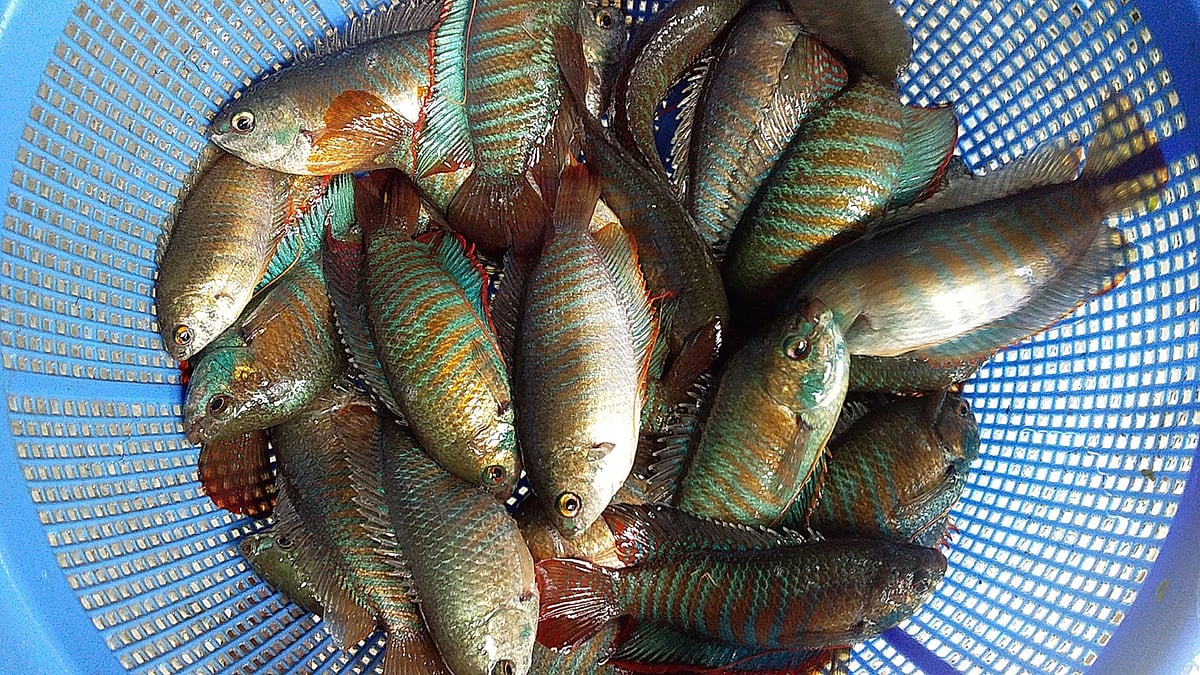
The kholse fish once swarmed in paddy fields during the monsoon; now it is rarely seen even in villages. Many teenagers have never heard its name, yet elders still recall bringing home basketfuls of kholse, caught by straining water through a gamchha cloth.
The fish is beautiful but small — at most 10 centimetres long. It has bluish and orange cross-stripes, and two thread-like fins hang from near its belly. It feels its way with those fins, so it moves easily even in murky water. It is called kholse or khoilsa in different areas; it belongs to the gourami family and is a relative of the colourful aquarium gourami.
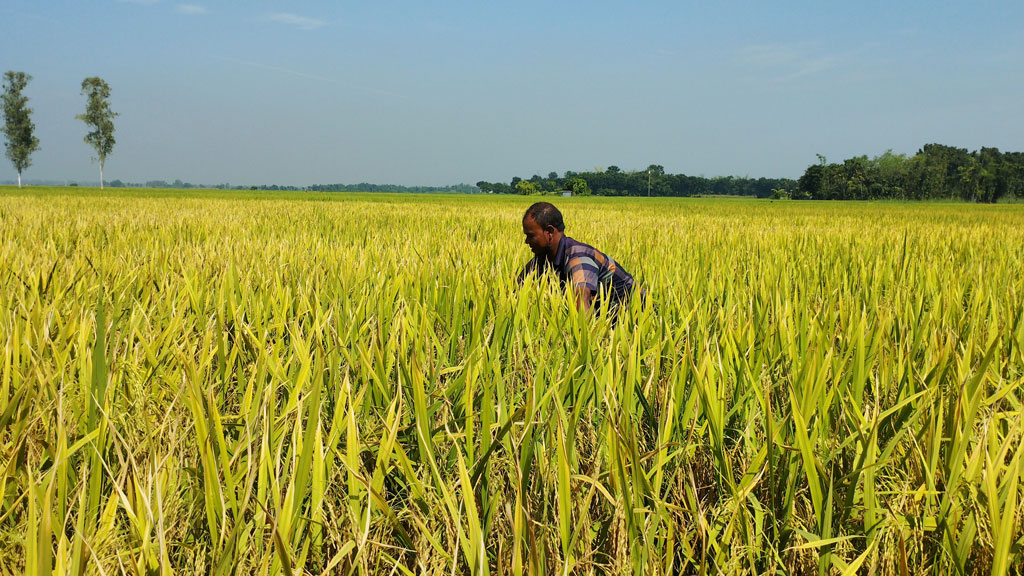
Paddy fields were the kholse's ideal home: shallow water, no current, and weeds gathered at the base of rice plants — offering both hiding places and food. Mosquito larvae, small insects and tiny aquatic creatures are its food.
The fish has an extra breathing organ near its head called a labyrinth. It can rise to the surface and breathe air directly, so it does not suffocate even when oxygen in the water is low.
During monsoon breeding, the male kholse takes in air and releases bubbles on the surface to build a floating nest. When the female lays eggs, the male carries them into the bubble nest. The eggs usually hatch in one to two days, and during that time the male guards the nest. The nest needs calm water and dense aquatic plants — exactly what a shallow paddy field provided.
That calm environment no longer exists. The first blow came from pesticides. Farmers spray poison when pests attack rice, but the poison mixes into the field water. Larger fish can tolerate some of it, but eggs and fry cannot, and the insects the kholse eats also die. Chemical fertiliser washes into canals and wetlands with rainwater and spoils water quality.
The second blow is the loss of wetlands. Ponds and small canals once stood beside fields; fish sheltered there in dry months and spread back into fields in the monsoon. Now many ponds have been filled in for houses or roads, and canals have narrowed and died. Flood-control embankments and sluice gates also block fish movement from rivers to fields.
The third problem is irrigation. In the boro season, deep tube-wells and pumps lift groundwater, drying nearby wetlands early. Changes in cropping time and rice varieties have also broken the old match between the fish's life cycle and the field.
The fourth problem is overfishing. People once caught fish with cloth and baskets; now fine-thread nets and current nets are used. Current nets are banned in Bangladesh, yet they are used in many places. If egg-bearing fish are caught in breeding season, the next year's shoal never forms. Capture for hobby aquariums is another cause.
Losing such a small fish does cause harm. The kholse eats mosquito larvae and is itself food for birds such as egrets and kingfishers — remove a link from the middle of the food chain and both sides feel the strain. Small native fish are also a good source of nutrition, containing vitamin A, calcium, iron and zinc. Bangladesh's fresh waters hold more than 250 fish species, a large share of them small fish like the kholse, and many are declining.
There are ways to bring the fish back. Raising fish with rice means the fish eat field pests, reducing pesticide use — farmers in some parts of Bangladesh have started this method. Integrated pest management uses natural enemy insects and hand-picking first, with poison as a last resort. Preserving ponds and canals, and not catching egg-bearing fish in the monsoon, also give shoals a chance to grow.