
Mystery of 500 dead penguins solved: not bird flu, but avian cholera
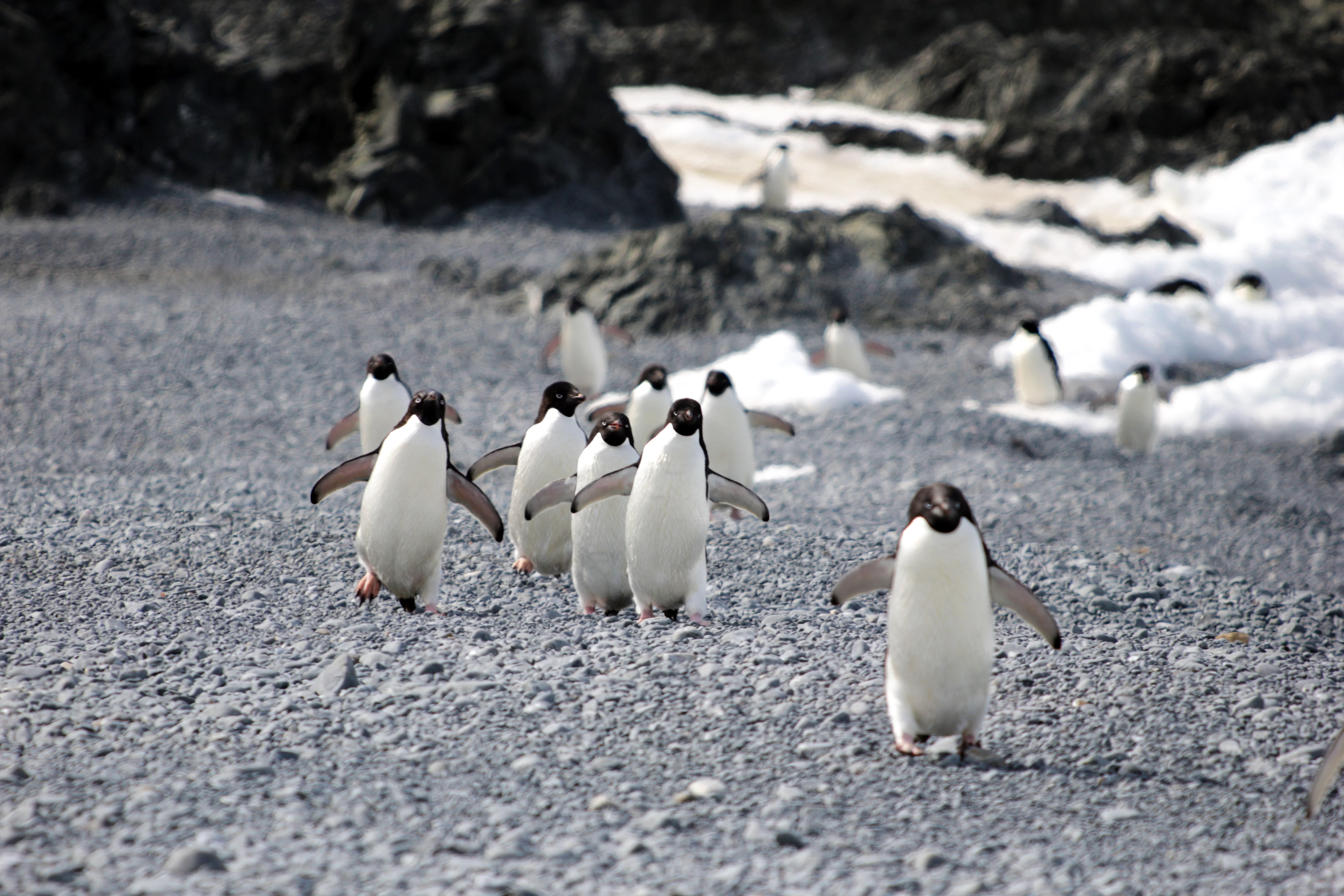
Scientists have solved the mystery behind the deaths of more than 500 Adélie penguins on the Danger Islands, just off the Antarctic Peninsula. Bird flu was first suspected, but the research found the birds died of avian cholera, a bacterial disease that is distinct from human cholera.
In March 2024, Dr. Ralph Vanstreels sailed toward the Danger Islands. The wildlife veterinarian, based in Argentina and affiliated with the University of California, Davis, had a good idea of what he might find: a virus had been sweeping through the area, leaving dead birds in its wake.
As the vessel pulled up to a landing ramp on one of the islands, the researchers immediately noticed bumps in the snow. Each bump had to be checked to see whether it was a rock or a carcass, Vanstreels says, and the searching was intensive. On just that ramp, about the size of an airport runway, the team found more than 537 penguin carcasses.
The Danger Islands are home to two mega-colonies of Adélie penguins. The researchers estimate that thousands of Adélie penguins and other bird species died across the islands. A complete count was not possible, because the team could not stay long — an iceberg could block their way out.
Bird flu had arrived in Antarctica in late 2023 and early 2024, and the expedition had been set up to look for it. Wearing protective gear, double gloves, glasses and masks, the team collected samples from the dead penguins and tested them in a mini-lab on their boat.
By evening they had early results, but not the ones they expected. There was bird flu present, Vanstreels recalls, but the virus loads were low. The carcasses were not very old, so if bird flu had killed the birds, far more virus should have been found. The team was unsure what was happening.
Several months later, back on land in the Netherlands, Vanstreels' colleagues investigated further. Under the microscope, they could see bacteria in the tissues — not virus. They had discovered avian cholera. The team's findings were published in October in the journal Proceedings of the Royal Society B.
Vanstreels says the strain specialized to birds is distinct from the strain specialized to mammals, so the risk of human infection is not really that high. But the disease kills birds worldwide, especially in cold environments where the bacteria thrives. The last time researchers looked for it on the Antarctic Peninsula was 25 years ago, and Vanstreels says die-offs could be occurring regularly without anyone checking.
Since late 2021, H5N1 bird flu has spread around the globe and led to the death of nearly 300 million poultry birds, killed by the virus or culled to stop its spread, according to the World Animal Health Information System. The virus is also estimated to have killed millions of wild animals and marine mammals.
Vanstreels' big takeaway is that, even with the justified fear of bird flu, scientists still need to keep checking for other diseases, because they might be mixing in the middle.

