After 22-Day Ban, Thousands of Fishers Return to Barishal's Meghna; Busy Landings but Hilsa Prices Stay High

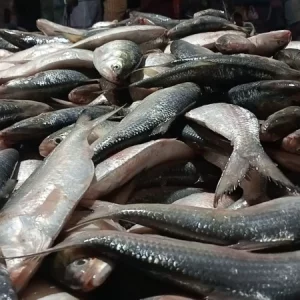
Life has returned to the Meghna river in Barishal after a 22-day ban imposed to ensure safe breeding of mother hilsa. Thousands of fishers have taken to the river hoping for the silvery hilsa. Alongside hilsa, their nets are also catching pangash and various other species. Boats loaded with these fish are crowding the landing stations of Barishal one after another.
Wholesalers, fish traders and workers are busy again. But although fish supply has resumed, hilsa prices have not come down. Large hilsa are still selling at the same high prices as before.
From 8am to 11am on Friday (30 October), the fish landing centre in Barishal city saw large quantities of fish arriving and brisk buying and selling.
Fishers took to Barishal's Meghna, Kalabador, Sugandha, Sandhya, Jayanti, Arial Khan and Kirtankhola rivers from midnight on 29 October to catch hilsa. As dawn broke on Friday, they began returning to the landings with fish. Fisher boats are arriving one after another at Harinathpur in Hizla upazila on the Meghna and at the Port Road fish landing centre in Barishal city. Hilsa and other fish are being brought in arranged on plastic trays. As soon as the fish are unloaded, bargaining and auction calls begin, and the fish sell out within moments.
At the Port Road landing centre around 12 noon on Friday, fisher Abul Hossain said seven of them had gone out on the river at midnight. They sold the hilsa they caught for a total of 15,000 taka. He will go out fishing again at night. However, he fears hilsa availability may decline after a few days.
Jahangir Hossain, a wholesaler at the Port Road fish landing centre, said hilsa prices have not fallen because demand is high. At present, hilsa weighing one kilogram are selling for 2,500 to 2,600 taka. Hilsa of 400 to 500 grams are selling at 1,300 to 1,500 taka per kilogram. Small hilsa of 200 to 300 grams are selling at 500 to 650 taka per hali (four pieces).
He added that, alongside hilsa, pangash is also being caught in the fishers' nets. Large pangash is selling at 1,200 taka per kilogram and smaller pangash at 900 to 1,000 taka per kilogram. If hilsa supply increases, market prices may change somewhat, he noted.
Another wholesaler, Selim Mia, said fish started arriving at the landing from Friday morning. Tomorrow's supply will give an idea of the hilsa catch, because in previous years supply was good in the first two days after the ban ended but fell afterwards.
Wholesaler Ibrahim Hossain said more large hilsa are arriving at the landing after the ban, while the number of small hilsa is comparatively low. Hilsa is being found less than expected. However, the pangash catch has created an opportunity for fishers to offset some of their losses.
According to district fisheries office sources, fishers are reaping the benefit because the government's two drives to protect jatka and mother hilsa were strictly implemented. Alongside hilsa, pangash is also being found. If an effective government project is taken to increase pangash production and breeding, this fish too could make an important contribution to the national economy like hilsa, the source said.