US-Iran Framework Proposes Moving Uranium to a Third Country and Reopening Hormuz Within Seven Days
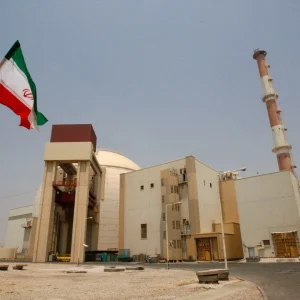
The preliminary framework for a possible settlement between the United States and Iran proposes moving Tehran's stockpile of highly enriched uranium, by mutual consent, to a third country.
It also proposes reducing the level of Iran's uranium enrichment and reopening the Strait of Hormuz to international shipping within seven days of a preliminary settlement. The information was reported by Al Arabiya English, a media outlet owned by the Saudi Arabian government.
According to the report, the draft framework names China as a possible guarantor for implementing the settlement between the two countries and making it sustainable. It says direct talks between Washington and Tehran would be held in Doha, not Istanbul.
Under the proposed settlement, if Iran limits its nuclear programme, the United States would in return ease sanctions, blockades and economic restrictions on the country.
The framework also speaks of building an independent verification system to ensure the settlement's proposals are being properly implemented.
In addition, Al Arabiya said there is a proposal for a dispute-resolution arrangement involving mediators and guarantor parties to handle any delay or breach by either side and to prevent renewed military tension from spreading.
Meanwhile, a Qatari delegation is currently in Tehran working to restore a ceasefire between the United States and Iran. Iran's state news agency IRNA said the delegation, led by a senior adviser to Qatar's prime minister and foreign minister, arrived in Tehran on Friday morning, and is making the visit in coordination with Washington.
The report also said Qatari envoys delivered a letter from US Vice President JD Vance to Iranian security official Mohsen Rezaei, containing a proposal to create a path for diplomatic talks to prevent a renewed US military attack.
US President Donald Trump, meanwhile, has claimed that Iran is eager to continue talks with the United States, though the country's internal situation has become a major obstacle.
Speaking to journalists in the Oval Office, Trump said, 'Talks are ongoing. They want to talk. They are continuing the talks.'
He added that they cannot pay their soldiers or their police, and are in a major crisis. In Trump's words, 'We have time. It is a war, but not a conventional kind of war; we have been there for seven months.'