Lebanon Charges 13 People Linked to Hezbollah over Seized Explosives Shipment

A Lebanese military court has charged 13 people it says are linked to Hezbollah with trafficking explosives. Lebanese state media reported that the individuals were charged on Friday with offences including possessing weapons, undermining state security and forming illegal associations.
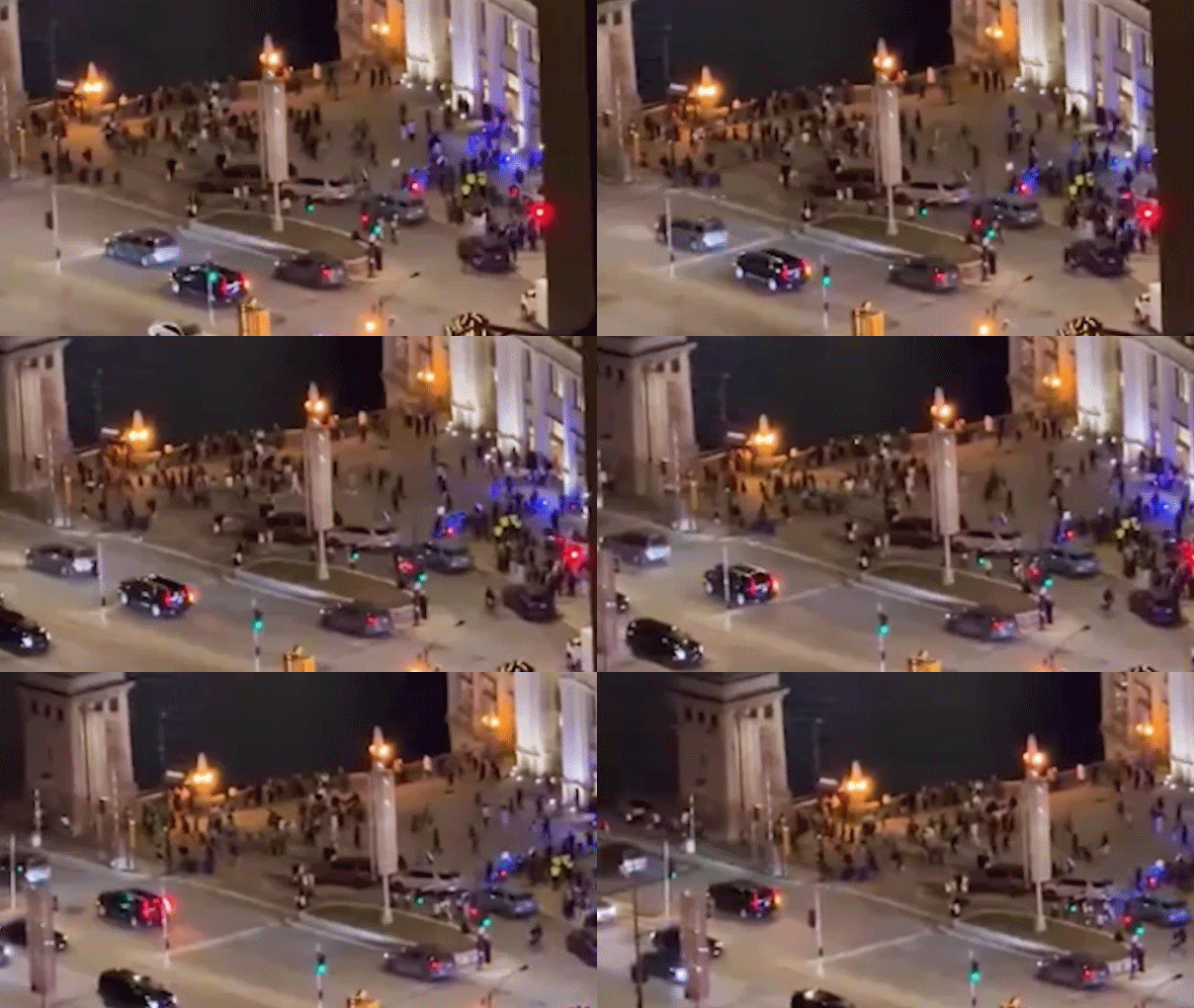
The charges stem from the seizure earlier this month of a truck transporting explosives at the Dahr al-Baydar checkpoint, which links the capital, Beirut, to the eastern Bekaa Valley.
According to judicial officials, the vehicle had been carrying 780 kilograms, or 1,720 pounds, of explosives, including 250 kilograms of TNT and 250 kilograms of C-4 plastic explosives.
Two people were arrested during the seizure, while the 11 others charged remain at large. Five of them have been identified only by nicknames because their real names are unknown.
Hezbollah has acknowledged owning the seized explosives, saying they were intended for use against Israel, which continues to occupy large parts of southern Lebanon. It said it had asked Lebanese authorities to return the shipment and release the two detainees, calling the charges against them unjust.
Hezbollah Member of Parliament Hussein Hajj Hassan said those charged did not undermine the security or integrity of the state, but rather confronted the Israeli enemy that threatens Lebanon's existence.
Hezbollah's political opponents fear that smuggled explosives will be turned against the group's detractors, although investigators have not established that the seized shipment was intended for such an attack.
The case comes as pressure mounts on Hezbollah, which has fought two successive wars with Israel and faces a push from authorities in Beirut to disarm its military wing.
In June, Lebanon and Israel signed a framework agreement which envisaged Israel's gradual withdrawal from the areas it occupies in southern Lebanon, tied to Hezbollah's disarmament, as well as the deployment of the Lebanese army to the south.
But Hezbollah has repeatedly rejected calls to disarm, and the group's chief, Naim Qassem, has dismissed the Lebanon-Israel agreement as null and void.
Lebanese Prime Minister Nawaf Salam has promised that state authorities will deal with weapons outside the legal framework with the required firmness.
Despite its recent framework agreement, Israel has continued carrying out attacks in southern Lebanon and systematically demolishing homes and infrastructure in dozens of villages it occupies.