Judge Boasberg's role in Ilhan Omar warrant fight renews debate over case assignments
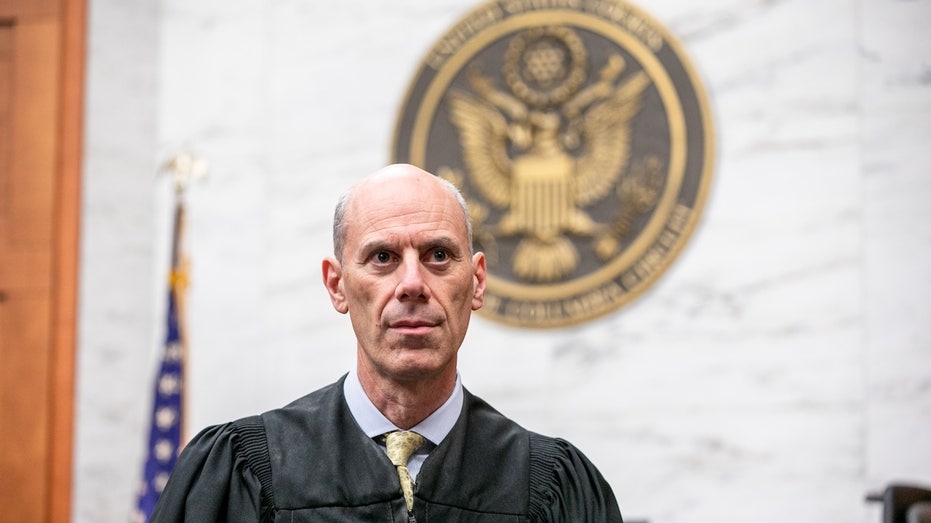
Federal Judge James Boasberg, the chief judge of the US District Court for the District of Columbia, is facing fresh scrutiny as several high-profile cases challenging actions by the Trump administration sit on his docket, raising questions about how judges are assigned to cases. The latest focus is a legal fight over unsealing the search warrant executed at the Washington, DC home of Representative Ilhan Omar.
Boasberg, an Obama appointee, has been dubbed a "radical left lunatic" by President Donald Trump. Several media outlets have brought a challenge seeking to force the Justice Department to unseal the search warrant on Omar's home, which stems from two federal investigations. That case is now being overseen by Boasberg.
The assignment has drawn comment on social media. Steve Ferguson, a self-described business owner with more than 250,000 followers on X, wrote: "Judge James Boasberg is now involved with the Ilhan Omar case. Is everything rigged?"
Under the court's rules, however, cases in the District of Columbia federal court are assigned to judges randomly through an electronic system managed by the clerk's office, operating under the direction of the Calendar and Case Management Committee. The committee consists of three to five judges appointed by the chief justice.
There are exceptions to the random-assignment process. Criminal grand jury matters, for example, are assigned to and overseen by the chief judge — currently Boasberg. For that reason, Eric Wessan, Iowa's solicitor general, said Boasberg's assignment to oversee the fight over unsealing the Omar search warrant was "not a surprise."
Wessan nevertheless suggested that concern over case assignments is valid. When a case needs to be reassigned, the Calendar and Case Management Committee determines how the reassignment is made. "But there are a lot of cases that seem to be going to judges maybe based on those cases having similarities, which is not what the local rules say," he said, pointing to high-profile cases against the Trump administration that have appeared on Boasberg's docket and urging greater transparency in how assignments are made.
"If one is just following anecdotally, there does seem to be a lot of high-profile cases in front of judges that seem to be expressing unusual amounts of frustration or disagreement with the administration," Wessan said.
The Omar warrant fight is only one of several Trump administration cases on Boasberg's docket. He is also overseeing California's lawsuit against the administration over voter-roll disputes. On Friday, he ordered the administration to provide the state, by the end of the day, with the names and supporting information for roughly 20,000 people whom the Justice Department claims are noncitizens on California's voter rolls.
Between the court's explanation of its random-assignment rules and the calls for greater transparency, Boasberg and the cases before him remain at the center of a political debate in the United States.