
Bolivia Declares Nationwide Emergency Over El Niño Fears: 78,000 Families Hit by Drought
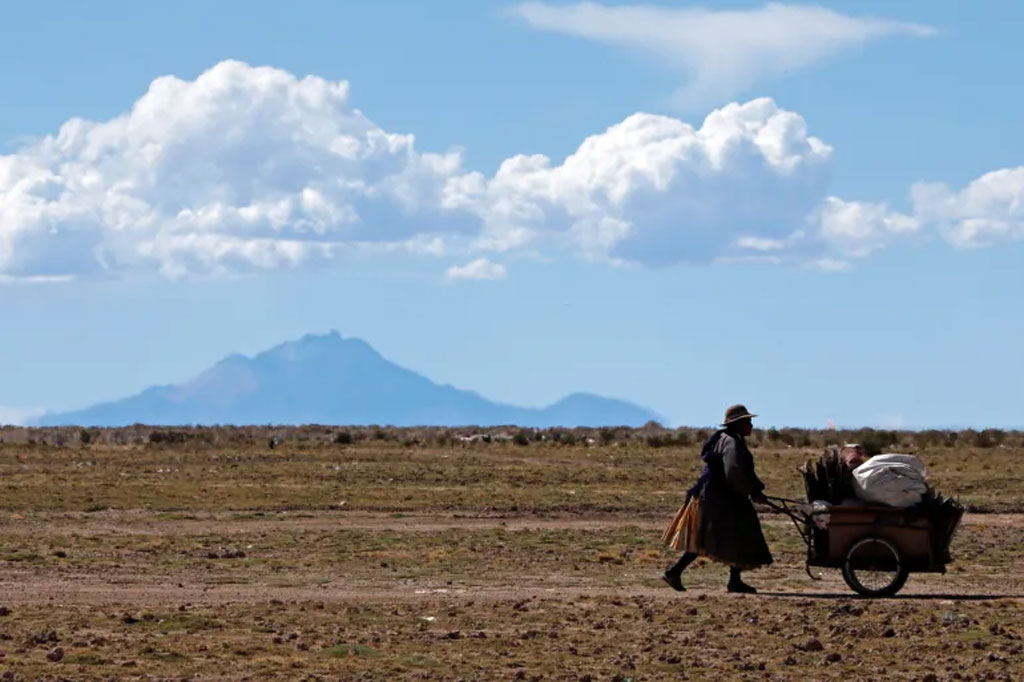
Bolivia has declared a nationwide state of emergency amid fears of severe drought and flooding. The government took the decision to unlock the resources and manpower needed to confront the effects of the El Niño weather pattern. Scientists fear El Niño's impact could peak towards the end of this year.
Al Jazeera reported on Sunday (November 1) that President Rodrigo Paz signed the emergency decree on Saturday. He also ordered additional rescue team members to be deployed to the areas worst affected by floods and drought. President Paz said El Niño could have 'extremely devastating effects' in terms of drought and flooding, and that cooperation from all of the country's institutions would be needed to face the situation.
A government report this week said that in six of Bolivia's nine departments, around 78,000 families have been affected by drought. More than 75,000 livestock have also died in the country because of the drought.
Drought is not the only danger; Bolivia also faces flood risk. In December 2025, devastating floods in the Santa Cruz region killed dozens of people. In neighbouring Chile, the capital Santiago recorded record rainfall last October, while in Peru at least 12 people died in wildfires last month.
El Niño is a natural global climate phenomenon that usually occurs every two to seven years. During it, Pacific Ocean water temperatures rise, changing normal patterns of winds, air pressure and rainfall around the world, which can create drought, floods and other extreme weather in different regions.
El Niño's intensity and impact vary by geography, but this year's event is feared to become one of the strongest on record. Its effects are expected to peak at the end of 2026 but may continue throughout 2027. Scientists forecast that this El Niño could cause more than 450,000 deaths worldwide, with poor countries at greatest risk. Earlier, at the start of September, the World Meteorological Organization (WMO) said there was a nearly 100 percent chance that El Niño's effects would continue until February 2027.


