Drones Scatter Millions of Mangrove Seeds in Abu Dhabi, With a Target of 100 Million Trees by 2030
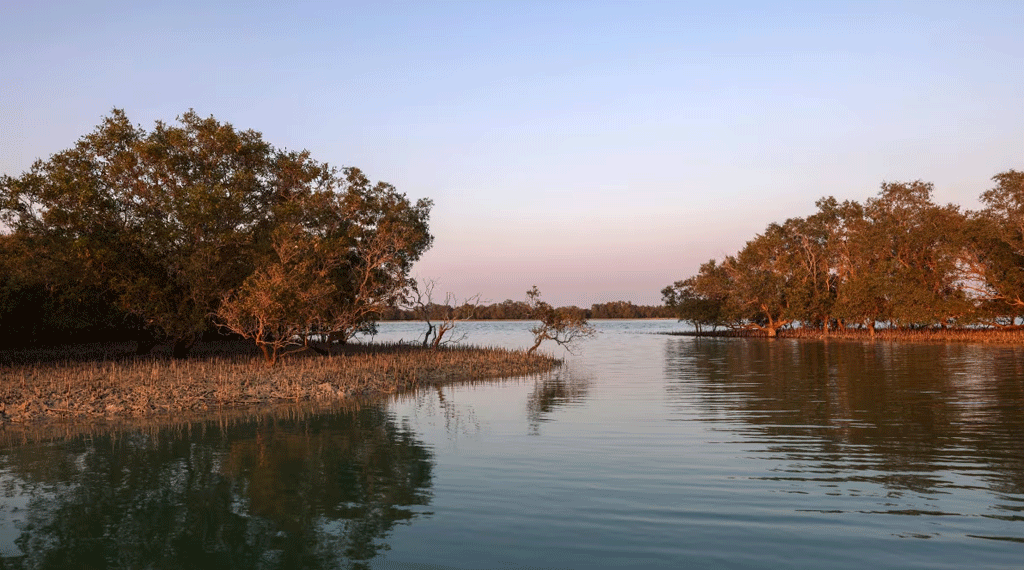
Highlighting the role of mangrove forests in tackling the effects of climate change, Abu Dhabi in the United Arab Emirates is continuing a restoration effort using modern technology. Millions of seeds are being scattered using specially built drones.
Mangroves are trees and shrubs that grow in coastal tidal areas of tropical and subtropical regions. They have a special ability to survive in salty water, oxygen-poor mud and changing tidal conditions. There are more than 50 true mangrove species in the world.
These forests help maintain coastal environmental balance, conserve biodiversity and reduce damage from storms and tidal surges. Mangrove forests are an important habitat for marine and coastal biodiversity, and at least 340 endangered animal species worldwide depend directly or indirectly on them.
Mangrove roots also play an important role in reducing the intensity of storm waves, lowering the height of tidal surges and preventing coastal erosion, the report noted.
Their contribution to climate protection is also large. Mangroves can absorb and store more than four times as much carbon dioxide as ordinary land forests. According to the Mangrove Alliance, these forests worldwide have stored about 21 billion tonnes of carbon dioxide.
Amna Almansuri, a marine scientist at the Abu Dhabi environment agency, said that from a climate protection perspective mangroves can be called nature's heroes. For this reason mangroves have also been described as ‘heroes of the climate’.
Mangrove conservation and restoration work began in Abu Dhabi in the late 1960s. Mangrove forests in the UAE had declined because of rapid urbanisation alongside the growth of an oil-dependent economy. The then ruler, Sheikh Zayed bin Sultan Al Nahyan, started programmes to conserve the forests and plant new trees.
According to the Mangrove Alliance, the world's mangrove area fell by 35 percent between 1980 and 2000. In Abu Dhabi, however, mangrove coverage increased by 92 percent between 1987 and 2022. There are now about 17,600 hectares of mangrove forest there.
Specially built drones are being used to expand this forest. In 2023, the Abu Dhabi Mangrove Initiative scattered more than six million seeds by drone. Each drone can carry about six thousand seeds at a time. Scattering seeds without people directly entering difficult and tidal areas also reduces damage to the natural environment.
Rising sea levels, however, are a major threat to mangroves. Trees can drown in too much water, while too little water also disrupts normal growth. For this reason, alongside conserving existing forests, new research has begun to ensure natural water flow and a suitable aquatic environment.
The UAE has a target of planting 100 million mangrove trees by 2030. According to the scientists involved, the main goal should not be only to increase forest area, but to build a healthy and sustainable mangrove ecosystem in the long term.