Millions of Americans Burdened by Medical Debt Despite Growing Relief, Experts Call It a Stopgap
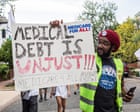
Millions of people in the United States collectively owe billions of dollars for medical expenses. Some have seen their debt forgiven in recent years, and there has been a dramatic uptick in aid this year. But experts say the relief still covers only a small fraction of the outstanding balance and is a stopgap that does not solve the fundamental problem that people cannot afford the healthcare they need.
According to KFF, a nonprofit health research group, people in the United States owed at least $220bn in medical debt in 2024. About 14 million owed more than $1,000, and 3 million people owed more than $10,000.
Emma Wager, a KFF senior policy analyst, said costs are very high and some people have no health insurance, so when they get sick or injured or need healthcare, they have no way to pay the extremely high charges.
Even people with insurance often have high deductibles or high cost-sharing provisions, which means they could still find the bills unaffordable, Wager said. Mary Shannon, director of Care Over Collections, a nonprofit that educates patients who receive bills about their options, said addressing the affordability crisis in healthcare is what will ultimately get at the heart of the issue.
Patients often fall behind in payments. In 2024, 21% of US households had a past-due medical bill, according to the journal Health Affairs Scholar. In 2021, more than half of the bills sent to collectors were for medical care, according to the Consumer Financial Protection Bureau.
Undue Medical Debt, founded in 2014 by former debt collection executives, purchases large portfolios of debt from healthcare organizations and collection agencies at a steep discount. According to the organization, a $1 donation erases about $100 of medical debt.
The organization does not take requests from individuals, but people who earn four times the federal poverty level or less, or whose medical debt is 5% or more of their annual income, are eligible.
Undue Medical gets funding from private donors and state and local governments. In Illinois, the state provided $10m to Undue Medical, which used the funds to provide more than $1.1bn in medical debt relief for its residents, according to the state.
The organization states that it has provided $53.3bn in medical debt relief. About half of that was provided this year. It attributes the spike to its investment in technology that allows it to process files more quickly and its increased partnerships with governments.
Allison Sesso, president and CEO of Undue Medical, said she is hopeful everyone who receives a letter feels more comfortable going back to the doctor and getting the care they need without being scared about the financial consequences. Still, Sesso acknowledged the assistance is a stopgap for people who need help today and said a system has been set up that incentivizes profits over people.
Other organizations include Dollar For, which allows patients to apply for financial assistance and has provided more than $117m, according to the organization. The HealthWell Foundation helps with prescription copays, insurance premiums and deductibles, among other expenses. The Community Service Society of New York successfully advocated for state legislation like the Fair Medical Debt Reporting Act, which prohibits hospitals and providers from providing consumer reporting agencies information about a patient's medical debt.
In 2019, Tiffany Miller was just 26 weeks pregnant when she went into labour. Her daughter, Brie, spent more than three months in the neonatal intensive care unit and then required physical and occupational therapies. Even though Miller, a mental health caseworker, had insurance, she still accumulated more than $2,000 in debt. Miller, 40, who lives in Aurora, Illinois, said much of the debt was on her credit report and she had been praying a lot. In May, she received a letter from Undue Medical informing her the debt had been erased. She thought it was a scam but did some research and learned it was real. Brie is now a healthy seven-year-old.
To affect change upstream, providers must do more to make patients aware that they offer financial assistance, advocates argue. In Missouri, almost all general hospitals offer free or discounted care but less than a quarter of adults said they received information about the programs from a provider, according to a 2025 study from the Missouri Foundation for Health and the Lown Institute.
Federal law requires nonprofit hospitals to establish a financial assistance policy but does not specify minimum eligibility requirements; 18 states have gone further and required all hospitals, including for-profit ones, to offer financial assistance with minimum eligibility standards, according to the Commonwealth Fund. Six states also have presumptive eligibility laws, which require hospitals to screen patients to determine if they qualify for assistance and, if so, proactively erase the debt, KFF Health News reported.
The Biden administration passed a rule that banned the inclusion of medical debt on credit reports, but the Trump administration and trade groups asked a federal court to block the measure, which a judge did. But 16 states prohibit or restrict the inclusion of such debt on credit reports, according to the Commonwealth. Sara Collins, Commonwealth senior scholar for expanding coverage and access, said it has a major impact on people's credit ratings and that people are being saddled with medical debt for healthcare problems that are not their fault because they do not have the coverage to pay it off.