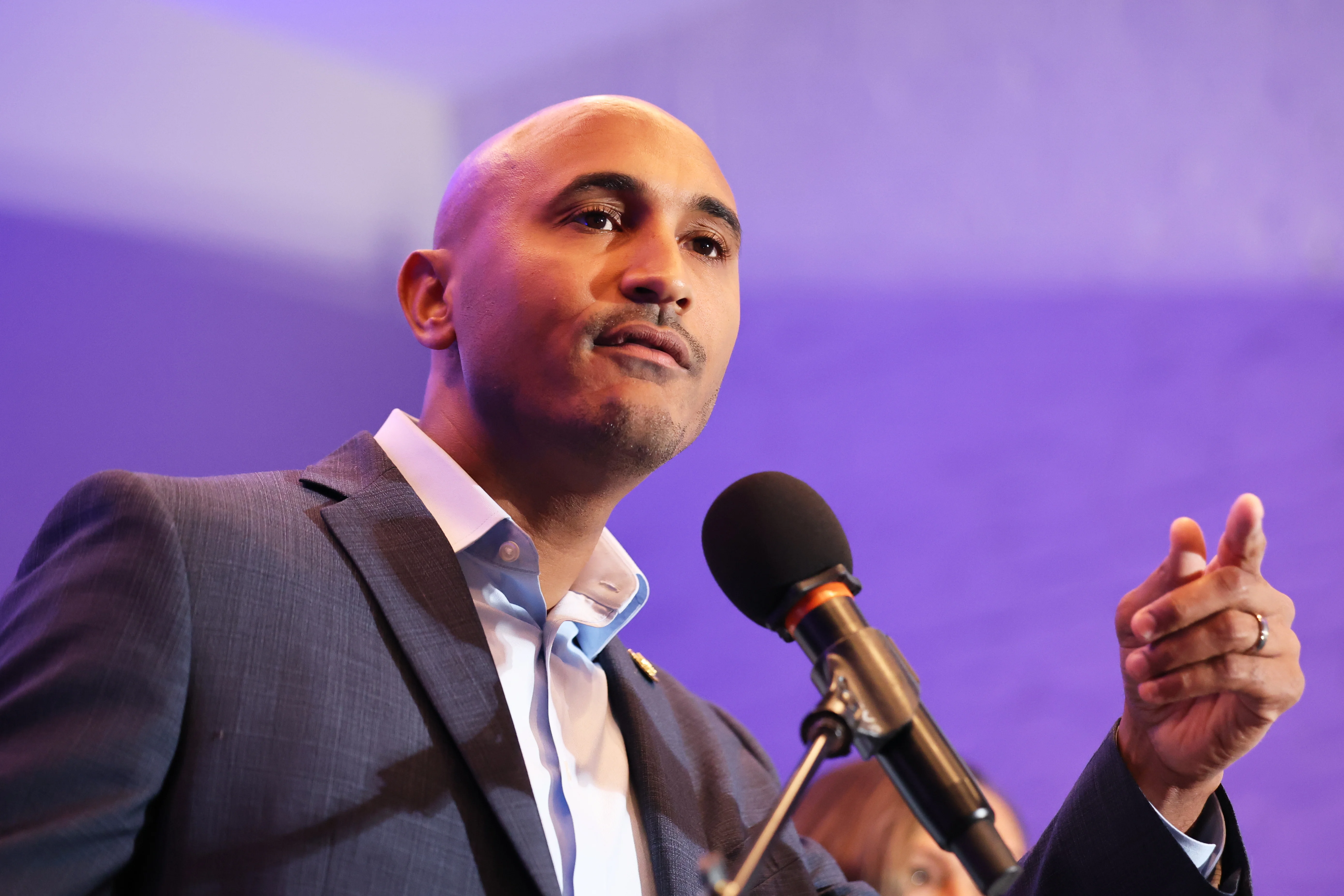
Democrat Troy Jackson Defeats Susan Collins in Maine, Ending Senator's Nearly Three-Decade Tenure

Democrat Troy Jackson has defeated Republican Senator Susan Collins in the US Senate race in Maine, according to a race call by the Associated Press. The victory is seen as crucial for the Democrats in their push to win back the Senate majority.
The result brings Collins' nearly 30-year tenure in Congress to a close. Jackson will be the first Democrat to represent Maine in the Senate since 1995.
Collins was the longest-serving Republican woman in the Senate. In a state that has consistently voted for Democrats at the state level, she had repeatedly won despite national political headwinds. That streak ended on Tuesday night.
The Democratic Party had long tried to oust Collins. At a moment when President Donald Trump's approval ratings are at historic lows, Democrats saw Maine as one of their best opportunities to flip a Republican seat.
Jackson's Senate campaign was dramatic and short. A fifth-generation logger, he became the Democratic nominee in August after replacing Graham Platner, who suspended his campaign following an allegation of rape, which Platner denies. After becoming the nominee, Jackson quickly became a national figure.
Jackson ran on a progressive populist platform, emphasising his working-class background and deep ties to the labour movement. He sought to maintain the momentum of Platner's anti-establishment, change-focused message.
On the campaign trail, Jackson attempted to link Collins to several Trump policies that have fuelled economic concerns in the state — particularly the rise in oil and gas prices from the Iran war, and the financial strain on Maine businesses due to trade tensions with Canada, which borders the state.
Despite his late entry into the race, national polls showed Jackson and Collins in a virtual tie leading up to the end of voting. Their race was one of the most expensive in this year's midterms — according to data from AdImpact, Democratic- and Republican-aligned groups spent more than a quarter of a billion dollars on ads.
Collins pitched herself as a needed independent voice in the Senate. Democrats, meanwhile, called attention to more divisive parts of her record, including her 2018 vote that was crucial in confirming Brett Kavanaugh to the Supreme Court, expanding a conservative majority that went on to eliminate the constitutional right to abortion in 2022. Collins has said she does not regret her vote for Kavanaugh and that she is a supporter of abortion protections.
Collins also touted her work as chair of the Senate Appropriations Committee, a key leadership position that she argued has helped her bring more federal funds to Maine. In an October interview with Maine Public Radio, Jackson pushed back, saying Collins is losing more money than she is bringing in, and that healthcare, the Iran war and tariffs are costing the state far more than Collins can ever bring in.
In the final Senate debate, held in October, Collins argued that having a moderate representative is a strength for Maine voters rather than a liability. She said Jackson would be an automatic vote for the Democratic position no matter what, and that people who will work across party lines are needed. An analysis by The New York Times found that Collins breaks with her party on votes more than any other Republican in the Senate, but the rate at which she does so has dropped considerably during Trump's second term.