Two deadly train crashes in nine months have broken public trust in Spain's rail system, prime minister admits
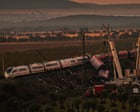
Public confidence in Spain's rail system has been badly damaged after two deadly train crashes in the space of nine months. Prime Minister Pedro Sánchez himself has said that public trust in the high-speed system has been broken.
At 8.53am last Wednesday, a high-speed train operated by Spain's state-owned rail company Renfe smashed into the back of a stationary train run by the private company Iryo, on the outskirts of the small town of Urda in Castilla-La Mancha. Sixty-nine people died in the accident and more than 100 were injured.
On 18 January, an Iryo train on the same line from Madrid to Seville derailed near the Andalusian town of Adamuz before being struck by a Renfe train coming from the opposite direction. Forty-six people died in that accident and scores were injured.
After the Urda crash, local people rushed to the train tracks to help the injured. Municipal halls were rapidly repurposed into emergency triage centres.
Coaches were chartered to take the passengers whose journey had ended early onward to their destinations. Among the passengers waiting in line, some had bandaged heads, torn clothing or bloodstained tops.
Josimar Medina, a Peruvian who was travelling with his Brazilian girlfriend Vitoria Maia, helped free an American passenger called Austin from the wreckage and got him out of the train. The American was badly hurt, Medina said.
Spain's extensive and modern high-speed rail network has long been a source of national pride. After two crashes in succession, questions are being raised over whether that network is as safe and reliable as it once seemed.
As Prime Minister Pedro Sánchez put it last week, "public trust in the high-speed system has been broken."
Sánchez and his socialist-led coalition government are now racing to rebuild that trust, but the task is immense: a snap general election is now less than a month away, and the anger and grief over the crashes are still raw.