
RMT calls eight strikes on London Underground in run-up to Christmas
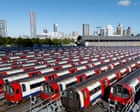
Tube train drivers in the RMT union have called eight 24-hour strikes on the London Underground. The strikes, running over 16 days and including six in the lead-up to Christmas, threaten to bring transport chaos to the capital.
The drivers will start another series of 24-hour strikes in late November in opposition to plans for a four-day week. The proposal has been warmly welcomed by the majority of London Underground drivers represented by the Aslef union.
Disruption could mean few tube trains over the last shopping weekend before Christmas, with strikes running from noon on Thursday, December 17, and again on Saturday, December 19.
The 24-hour strikes will begin at noon on November 26, followed by the Christmas walkout, with two more planned in early January and more in February.
The RMT claims the new four-day week, which Transport for London (TfL) has said would be voluntary, would 'undermine existing agreements and worsen working conditions'.
Previous strikes earlier this year also resulted in widespread disruption to London Underground services, although trains ran on most lines.
The RMT said it has yet to receive guarantees about drivers' right to remain on existing five-day working arrangements. It believes the proposals would worsen shift times and certainty.
The RMT's general secretary, Eddie Dempsey, said: 'London Underground is attempting to dress up a wholesale attack on drivers' working conditions as a voluntary four-day week.' He said: 'Our members are being asked to spend more time driving trains, accept longer and more unpredictable shifts and surrender agreements that have been negotiated and defended over many years.'
Dempsey added: 'This is not about improving work-life balance. It is about squeezing more work out of fewer drivers while giving management greater flexibility at the expense of our members.'
Similar, highly disruptive strikes took place in London in April and June, despite TfL insisting the proposals were completely voluntary and the plans having been fully endorsed by the main drivers' union, Aslef.
