Protesters defy bans with rallies across France centred on Paris as 70,000 police deploy

Thousands of French citizens protested across the country, with the protests centred on Paris, as cost-of-living and student protests entered their fourth straight week.
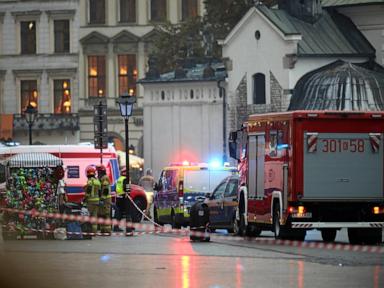
French authorities deployed 70,000 officers across the country. The country's interior ministry had anticipated 170,000 people protesting nationwide on Saturday.
The Paris Police Prefecture denied numerous formal requests for permits allowing protests in various areas of the city. The permits were refused citing October riots that led to thousands of arrests and violent clashes between protesters and law enforcement.
The police order said these events demonstrated the intention of certain individuals to target the institutions of the Republic, specifically through actions directed against public buildings and state services in order to undermine the foundations of the Republic.
The police added that these elements characterise a particular and serious risk to public institutions, the safety of officers, and the normal functioning of public services.
Police also prohibited a rally of France's popular Yellow Vest protest movement scheduled for Place de la Concorde. Despite the ban, prominent Yellow Vest members attended and were arrested at the National Assembly in front of Place de la Concorde.
Benjamin Ball, a member of the Yellow Vests coordination group, and spokesperson Azelma Sigaux were both arrested early in the afternoon on Saturday, according to the Agence France-Presse (AFP).
Videos and photos showed fires burning throughout Paris. French authorities were seen deploying tear gas and detaining rioters. French authorities also report that protesters have lobbed projectiles at police.
Demonstrators are protesting high costs of living. The rallies were held in support of demands for higher wages and the high school protest movement. Student and teacher unions joined the Yellow Vests at the mass rallies.
French President Macron has blamed the protests on ultra-left groups, whose aim, in his words, is to bring down the Republic.
On Monday, Prime Minister Sebastien Lecornu is due to meet with leaders from the unions to discuss wages and purchasing power. Despite the planned meeting, union leaders are calling for fresh strikes on Tuesday to keep the pressure on the government.
Since student and union protests began in mid-September, National Assembly Deputy Leader Marine Le Pen has surged in national polling. After announcing her candidacy in October, she is now seen as likely to force a runoff in the presidential election.