Melioidosis: growing concern over deadly infection from soil bacteria
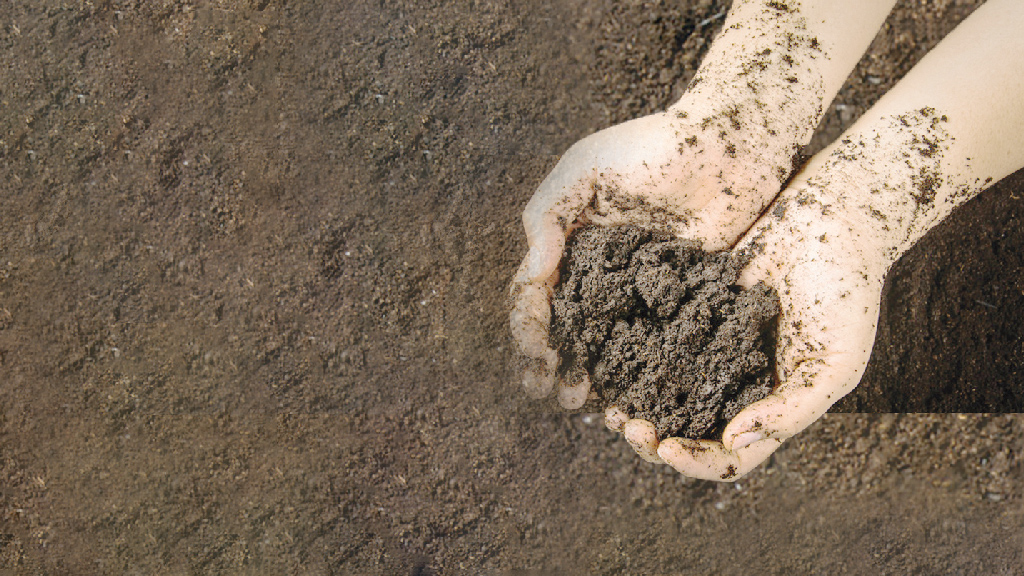
Nature's soil and water harbour germs that can enter the human body and cause severe infections. One of them is Burkholderia pseudomallei, which causes a serious infectious disease called melioidosis. The disease is a public health concern especially in tropical regions, and its presence has also been identified in Bangladesh.
Burkholderia pseudomallei is a Gram-negative bacterium that lives mainly in soil and water. Its infection causes melioidosis. The disease can attack the lungs, skin, liver, spleen, kidneys and other organs. Sometimes it spreads into the blood and causes sepsis, a severe infection throughout the body. Pneumonia in the lungs, sores or boils on the skin, and pus collecting in various internal organs are known manifestations of the disease.
The particular concern about this disease is that its symptoms can resemble many common infections. As a result, if the disease is not identified easily, treatment is delayed.
Melioidosis is found in South and Southeast Asia and northern Australia, as well as other tropical regions of the world. In Thailand, melioidosis — locally known as soil fever — has taken a worrying form. The country's Ministry of Public Health and Department of Disease Control have issued a special alert about it.
According to the latest information, from 1 January to 22 October, 570 people were infected and 45 died in just four provinces of Thailand's north-eastern (Isan) region.
The risk of infection can also rise during the monsoon, floods and when contact with soil increases. The true burden of the disease worldwide has long been underestimated, because laboratory facilities are limited in many areas and doctors and the general public know little about the disease.
Importantly, the germ can survive in the environment for a long time and enter the human body from contaminated soil or water. It can also be difficult to identify and treat correctly. In severe infections the risk of death is high, and patients may need long-term monitoring even after treatment.
There are scientific reports of melioidosis patients identified in Bangladesh. The country's soil and water environment, farming and contact with water during the monsoon are important considerations for the risk of this disease. However, it is not possible to state exact numbers for how many people are currently infected each year in Bangladesh, what the true infection rate is, or the recent national death rate.
The biggest challenge here is limited awareness of the disease and the similarity of its symptoms to other infections. In patients with prolonged fever, pneumonia or sepsis, if conventional treatment does not bring the expected improvement and there is a history of contact with a high-risk environment, doctors should also consider the possibility of melioidosis.
This germ does not usually spread easily from an infected person to a healthy person. People are mainly infected from the environment. The germ can enter the body through a wound in the skin that comes into contact with contaminated soil or water. Infection can also come from drinking contaminated water or contact with contaminated water and soil. And tiny particles of contaminated dust or water can enter the lungs with breath, especially during storms, floods or heavy rain.
Diabetes is one of the most important risk factors for melioidosis. In addition, long-term kidney disease, chronic lung disease, excessive alcohol consumption, reduced immunity and regular work with soil can increase the risk. Farmers, farm labourers, construction workers and people living in flood-prone areas need to be careful. But healthy people can also be infected.
Symptoms usually appear within one to four weeks of contact with the germ, although the timing varies. The main symptoms are prolonged or severe fever and shivering, cough, breathlessness, chest pain and pneumonia, boils, sores or pus on the skin, pain or infection in bones and joints, and pus collecting in the liver, spleen or other organs. In severe cases there can be infection in the blood, falling blood pressure and failure of multiple organs. Sometimes the symptoms can resemble tuberculosis or other bacterial infections, so the disease cannot be confirmed from symptoms alone.
The frightening aspect of melioidosis is the risk of death in severe infection. Studies in various countries have found notably high death rates, especially in cases of sepsis. Even with proper treatment and intensive care, the death rate among severely ill patients can be 10 to 40 percent, and more in some situations. In Bangladesh, 14 of 51 identified patients died between 1961 and 2017 — about 27 percent.
Treating melioidosis requires specific antibiotics over a long period. Treatment usually has two phases. In the first phase, intravenous antibiotic injections are given for severe infection. Depending on the severity of the disease and which organs are affected, this phase can last several weeks or more. In the second phase, oral antibiotics are usually given for several months to reduce the risk of the infection returning. Treatment is decided according to the type of disease, antibiotic sensitivity and the patient's physical condition.
To identify the disease, culture of a suitable sample of blood, pus, sputum or the affected organ is important. If suspected, doctors and the microbiology laboratory must be informed so that proper testing, safe sample handling and prompt treatment can be ensured.
There is still no widely used approved vaccine to prevent melioidosis. Reducing environmental exposure is therefore the main preventive measure.
The true burden of melioidosis infection and deaths in Bangladesh is still not fully determined. A 2023 research report showed that after an awareness-raising initiative, nine new patients were identified from various treatment centres in nine months. This highlights the need for more research into the true spread of the disease, better laboratory facilities and training for doctors.
This report was written by Dr Kakoli Halder, Assistant Professor, Microbiology, Dhaka Medical College.