Experts demand single framework and reliable certification to tap halal industry investment potential

Demand for halal certification is rising fast in international markets, not only for food products but also for readymade garments, leather goods, cosmetics and medicines. But in Bangladesh, a trust deficit, the complexity of dual certification, limits in tracing the origin of raw materials and the absence of an integrated national policy have emerged as major obstacles to tapping this huge global opportunity. At a panel discussion titled 'Investment in the Halal Industry' at the 'Invests Meetup 3.0' event, held on Saturday morning at the conference room of Investment Bangladesh in Agargaon in the capital, experts and business leaders strongly demanded a single institutional framework and a reliable quality-control system to expand the sector.
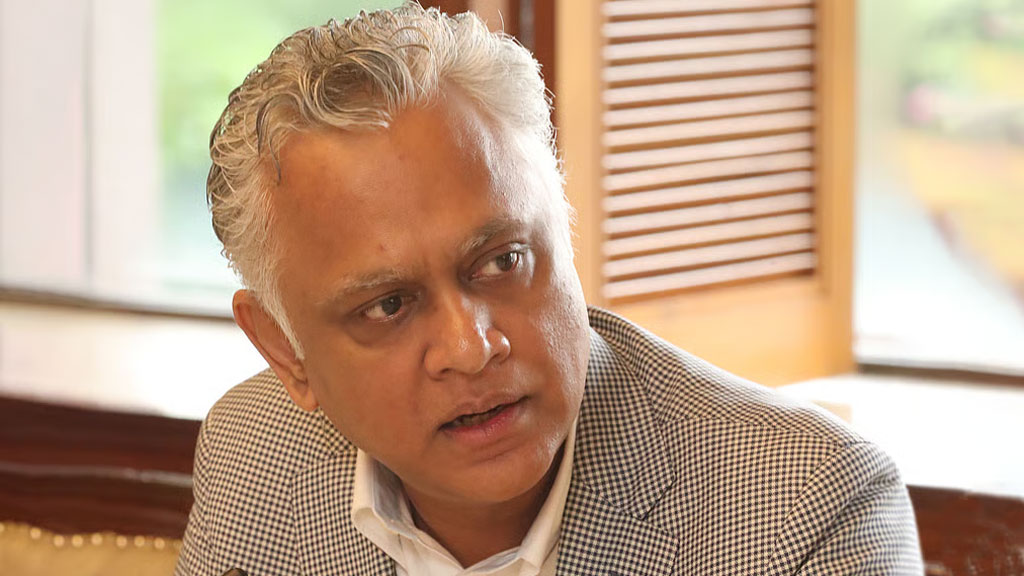
Taking part in the discussion, Anwar Parvez, president of the Bangladesh Chamber of Industries (BCI), noted that neither the Islamic Foundation nor the BSTI has yet won the full trust of businesses. To remove the confusion of entrepreneurs, he proposed bringing all parties under one umbrella by setting up a separate halal institute or a specialised division.
Highlighting the changing pattern of international trade, he said international buyers now closely verify not only the quality of the final product but also the original source of raw materials and information about environment-friendly production processes. In particular, meeting European Union conditions will make such transparency mandatory in the garments and leather sectors by 2030, which will require a coordinated commitment at the state level to implement.
The discussion also raised the complexity of tracing the origin of raw materials for leather products and the dilemma entrepreneurs face over which body to take certification from.
Speaking on the debate over the certification process, former BSTI director general S. M. Ferdous Alam said that whichever authority grants approval, internationally set protocols and Shariah rules must be followed. He claimed that the BSTI joined this work on the instruction of the Prime Minister's Office and that its modernised halal laboratory has already received international accreditation. As a result, he said, there is no room for doubt about the institution's capability.
Holding a different view, Dr A. K. M. Badrul Ahsan, director of the Halal Certification Division of the Islamic Foundation, said that under the National Halal Certification Policy formulated in 2023 and the government's allocation of business, the sole authority for halal standards and certification has been given to the Islamic Foundation.
In a research paper on 'Investment Prospects in the Halal Industry' presented at the event, Md Mominul Islam, assistant professor at Daffodil University, noted that the global halal economy reached nearly 7.7 trillion US dollars in 2024.
The study said that if average annual growth of 6.2 percent is maintained, the size of this international market will reach 12.6 trillion dollars by 2034. At present, this sector controls about 11.4 percent of the global economy, driven mainly by nearly 1.9 billion Muslim consumers around the world.
The research forecast that in the 2025-26 fiscal year, Bangladesh could export about 943 million dollars worth of halal products. Currently, 802 halal products are produced by 301 approved institutions in the country, and with about 91 percent Muslim population, the industry also has a strong domestic consumer base.
Participants in the panel discussion said that to capture the vast potential of the international market, restoring trust in the certification process and bringing all parties under one framework through an integrated national policy is now the most urgent task.