Even if you slip up with food, you can start fresh the next day, says Stanford scientist
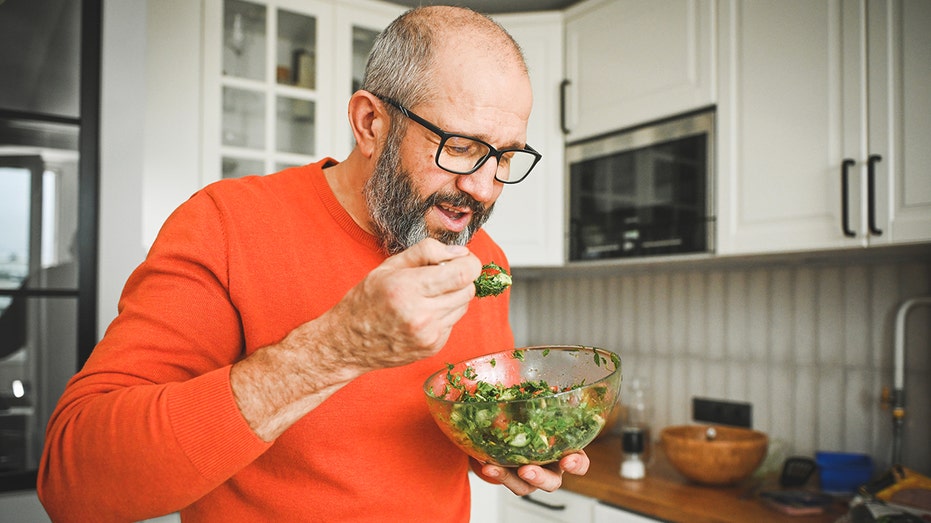
Living a healthy lifestyle is not as complicated as many Americans make it out to be, according to nutrition scientist Christopher Gardner of Stanford University. In his view, the real work is not trying to be perfect, but gradually improving your diet day by day.
Gardner is a nutrition scientist at Stanford University and author of the book 'Food Sense: What to Eat and Why.' He says the subject is simpler than people think.
He believes the 80/20 rule is a solid framework for a healthy diet. Under this approach, people make nutritious food choices about 80 percent of the time, while allowing flexibility for indulgences the remaining 20 percent.
Gardner also works with the Stanford Prevention Research Center. A big part of his role there is trying to figure out why people do not follow guidelines that everybody knows, such as eating a healthier diet, exercising more and smoking less.
He advises against trying to follow all the latest wellness trends, because sometimes they are not based on factual information.
He does not recommend cutting out an entire food group or following a strict diet. Rather, he encourages a gradual approach.
An easy way to start improving an unhealthy diet is to eat more vegetables, fruits and minimally processed foods. Increasing fiber is crucial in a healthy diet, he says.
He emphasized the importance of eating legumes, adding that he feels they are an underutilized component of a healthy diet. Asian cultures eat a lot of tempeh, tofu, edamame and soy, Latin American cultures eat a whole bunch of bean and grain dishes, and Indian culture eats a lot of lentil dals, he noted.
Legumes are usually inexpensive and versatile. They are also a great source of protein, Gardner added, as well as fiber, which many people do not consume enough of, he pointed out.
Americans also eat too much junk food, he said, adding that people often know what the healthier option is, but they still choose the chips and candy and cake and snacks and mocha frappe frappuccino instead of black coffee.
On ultra-processed food, he said he does not think people really know that it contains about 200 cosmetic additives.
Context matters when determining the healthier choice, Gardner noted, using the example of coffee versus tea. Coffee and tea by themselves are unproblematic, he said. Both contain antioxidants. The issue lies in the sugar, dairy and other ingredients that might be added.
Ultimately, different things work for different people, Gardner said, and he stays open-minded. What people eat is much more than just science, he acknowledged, adding that food is comfort and food is culture and food is other things.
His final advice: 'Whatever you screw up today, you get a do-over tomorrow and the day after.' So give yourself a little grace, a little patience, a little love.