Coast Guard Detention Forces Cancellation of 11-Night Caribbean Cruise, Stranding Over 2,000 Passengers
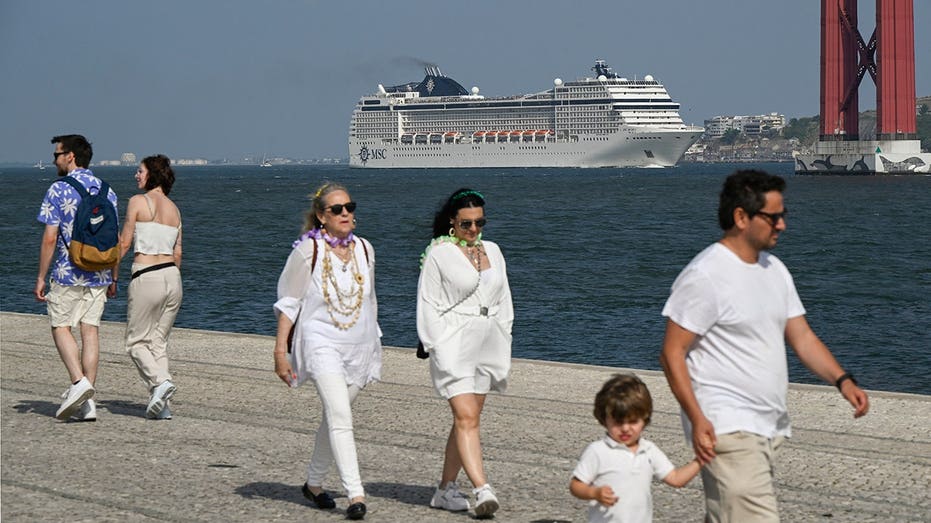
MSC Cruises abruptly cancelled an 11-night Caribbean voyage after the United States Coast Guard detained its ship. More than 2,000 passengers were on board the MSC Poesia when it was held at the port of Miami.
The Coast Guard announced on November 3 that the MSC Poesia had been detained because of deficiencies in systems aboard the ship. The vessel will remain detained at the Miami port until the deficiencies are fixed and it is cleared to depart.
Capt. Frank Florio, commander of U.S. Coast Guard Sector Miami, said in a Coast Guard press release that the service could not currently comment on the specifics of an ongoing Port State Control examination, but that it had identified deficiencies with systems on board the vessel and was addressing them with MSC.
A spokesperson for MSC Cruises said the company had made the difficult decision to cancel the current sailing. The spokesperson said the company recognised how disappointing and frustrating the news was for its guests and sincerely apologised for the disruption to their holiday.
The spokesperson added that a regulatory matter had arisen before departure which required resolution, and that despite efforts to address it, the company had been unable to resolve it in time for the sailing to proceed.
MSC said guests would receive a full refund of their cruise fare and that support was being provided to assist with their journey home.
The MSC Poesia had been scheduled to leave Miami on November 1 and return on November 12, with stops in Jamaica, Colombia, Panama, Costa Rica, Honduras and Belize.
According to the cruise blog Cruise Critic, more than 2,000 people were aboard when the ship was detained. Many passengers are now worried about the cost of additional airfare, accommodation and lost paid time off from work.
Alex Perez, a maritime attorney at the Miami law firm Lipcon, Margulies & Winkleman, said it was very rare for a cruise ship carrying thousands of people to be detained rather than cited. He said cruise ships in U.S. ports are inspected frequently.
Perez said the fact that the ship was detained with passengers on board when it was about to embark on its voyage showed that the Coast Guard had found something significant enough to warrant a detention. He said the Coast Guard had the authority to inspect and board vessels in U.S. ports.
The Coast Guard said its Port State Control programme inspects foreign-flagged commercial vessels calling at U.S. ports to ensure they meet applicable safety, security and environmental standards. When substantial noncompliance is identified, the Coast Guard may detain a vessel until the deficiencies preventing its departure are corrected.
Perez added that cruise passengers could file claims, but that no class-action lawsuits were permitted. The binding passenger ticket contract issued by all major cruise lines explicitly prohibits class-action lawsuits, he said.
Several passengers shared their experiences on online forums. One passenger wrote that he had been on board the MSC Poesia since September 28, and that during dinner he noticed the ship had not left the harbour at the given time.
The passenger added that although he was disappointed that the last part of his extended back-to-back cruise had been cancelled, he appreciated the compensation MSC had offered and the practical help it was providing to get him home. Another commenter wrote that it must have been a serious problem for the Coast Guard to keep the ship from sailing.