Need $305 Billion a Year, Getting Barely $30 Billion: The Huge Gap in Climate Adaptation Finance
The countries least responsible for climate change, including Bangladesh, are bearing the heaviest burden of its damage. Cyclones, floods, river erosion, coastal salinity, drought and heatwaves are no longer just natural disasters; they are steadily putting the country's agriculture, food security, economy and people's lives and livelihoods at risk.
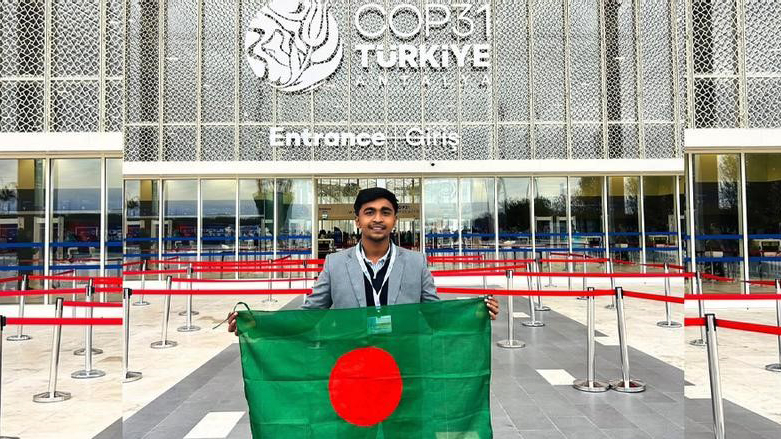
The UN's 31st climate conference (COP31) began on 9 November in Antalya, Turkey, with the high-level meeting of world leaders held on 11 and 12 November. Prime Minister Tarique Rahman arrived in Antalya on 10 November and is scheduled to present Bangladesh's position at the plenary session on 12 November. Climate justice, adaptation, addressing loss and damage, and delivery of developed countries' finance pledges are Bangladesh's priorities this time.
According to the Prime Minister's speech at the United Nations, Bangladesh contributes less than 0.5 percent of global greenhouse gas emissions, yet it is among the countries most at risk from climate change.
In the southwest, salinity is shrinking farm production and the availability of safe drinking water. In coastal areas, cyclones and storm surges damage homes, farmland and infrastructure. In the north, drought, irregular rainfall and heatwaves are making farm output uncertain. River erosion takes away many families' homesteads and livelihoods every year. Displacement, poverty, health risks and social insecurity are tied to all of this.
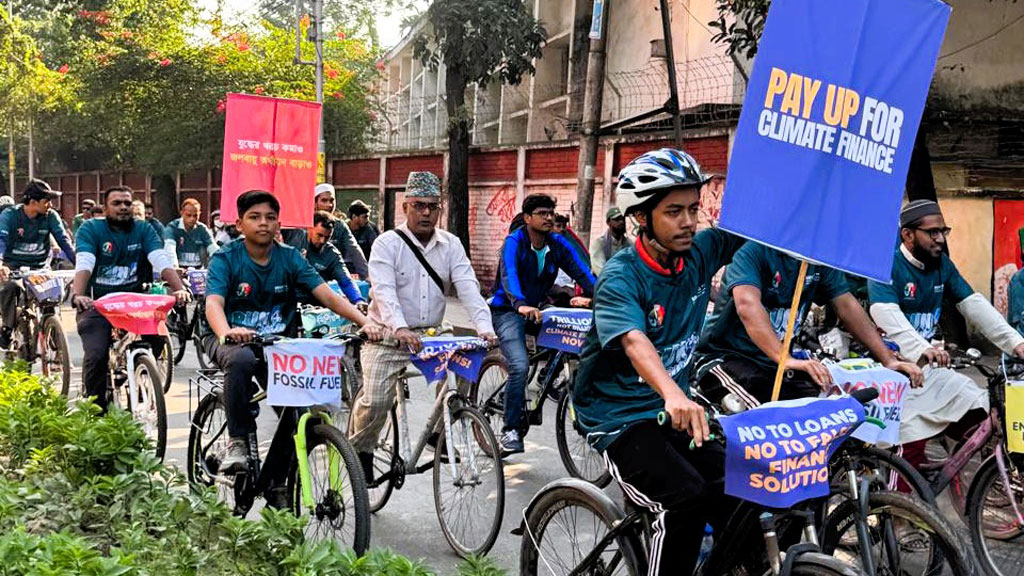
In this reality, climate finance for Bangladesh is not a routine request for aid; it is a question of international justice and responsibility. Taking new loans to address loss and damage would put extra pressure on Bangladesh's development and welfare spending. So grant-based finance instead of loan dependence, assistance on easy terms, and an effective disbursement system must be ensured for adaptation and loss and damage.
The UN Environment Programme's 2026 Adaptation Gap Report also shows the huge finance divide. According to the report, developing countries may need about $305 billion a year for climate adaptation by 2035. Yet international public adaptation finance from developed to developing countries in 2024 was only $28.2 to $31.7 billion — far below what is needed.
Implementing Bangladesh's National Adaptation Plan (2023-2050) requires an estimated $230 billion of investment over 27 years. Mobilising such a huge sum from domestic resources alone is difficult. So quick release of internationally pledged funds, access on easy terms, and long-term finance are vital for Bangladesh.
But foreign money alone will not solve the climate crisis. If project selection, allocation, implementation and oversight remain weak, even huge spending will not bring the desired results. Decisions on where embankments need repair, where safe drinking water is needed, and where salinity- or drought-tolerant crops should be expanded must be based on local reality and scientific data.
Transparency and accountability are also essential. Allocations, spending, real progress and beneficiary information for climate projects must be made public. There must be feasibility checks before projects, regular oversight during implementation, and independent evaluation afterwards. Local government, environmentalists, farmers, fishers, women and affected communities must be involved from planning through implementation.
Bangladesh's own preparedness must also be strengthened: early disaster warnings, enough shelters, regular maintenance of river and coastal embankments, better urban drainage, sustainable agriculture and safe drinking water must be part of long-term planning. Expanding renewable energy and introducing energy-saving technology in industry are also needed.