
Heated debate in Iran over changing nuclear doctrine and leaving the NPT
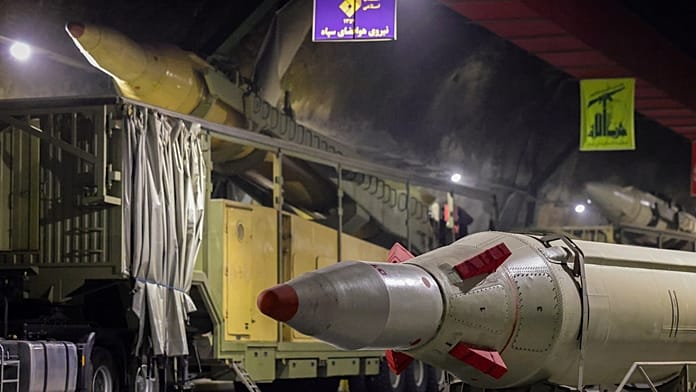
Iran's nuclear doctrine is generating a heated debate in the Islamic Republic's parliament and power circles, as the United States and Israel designated Iran's capability to develop a nuclear weapon as the primary objective of their war on Iran.
Member of parliament Kamran Ghazanfari told Euronews on Friday that building nuclear weapons is far more essential for Iran than neutralising what he called US and Israeli propaganda against the Islamic Republic.
Ghazanfari said America and Israel have repeatedly threatened Iran with the use of nuclear weapons, and Iran cannot be indifferent to this issue, as it is a threat that targets all the people of Iran and its very existence. He said they are enemies and have shown they will not refrain from any crime, so Iran cannot sit in hope that they will not use nuclear weapons against it; they must be confronted.
He called on Iran's leadership to review the nuclear doctrine so that the enemy knows that if it seeks a nuclear attack on Iran, it will face a reciprocal response. He said that just as since the Second World War none of the countries possessing nuclear weapons have used them against each other because they fear the other side will carry out such an attack, the Islamic Republic must also create deterrent power. He said the lack of nuclear submarines and bombers capable of carrying nuclear weapons does not undermine deterrence, stating that missiles are also a solution to carry nuclear warheads.
But former lawmaker Heshmatollah Falahatpisheh told Euronews that even if Iran had several nuclear warheads it would still lack nuclear deterrence. He said nuclear deterrence has three components: having an atomic bomb, a deterrent nuclear balance, and the ability to deliver the final blow. Those who think nuclear deterrence is created simply by having an atomic bomb are mistaken, he said.
Falahatpisheh said in a telephone call that he really does not know whether the country has an atomic bomb or not, but as far as he was aware, Iran's nuclear programme was peaceful, and even its possible military dimensions were closed by the JCPOA so that Iran's case would be removed from Chapter Seven of the UN Charter. In his view Iran's military strategy is a conventional strategy, and this strategy has been fairly effective. He also finds it unlikely that what Supreme National Security Council secretary Mohsen Rezaei meant when he said Iran has certain things was an atomic bomb.
Ghazanfari, however, believes that when Rezaei says 'we have something', he is referring not to an ordinary weapon but to a 'special weapon'.
Ghazanfari said Iran is trying to formally withdraw from the Treaty on the Non-Proliferation of Nuclear Weapons (NPT). In parliament the withdrawal is also being pursued, and last year some members of the presiding board of parliament blocked it, but MPs are still pressing for the plan to be put on the open floor, although a series of obstruction efforts are still preventing the plan from reaching the floor, he said.
Falahatpisheh considers withdrawal from the NPT to be laying the groundwork for future wars against Iran. He said Iran's relations with the NPT have in practice been destroyed and whether Iran remains in the NPT or not depends on the nature of relations between Iran and America. He said leaving the NPT does not help Iran's national interests because leaving amounts to hiding part of Iran's nuclear programme, adding that the Supreme National Security Council has not agreed to the MPs' triple-urgency bill to withdraw from the NPT, otherwise the plan would have been put before an open session of parliament.
Meanwhile on Thursday, Iran's Assembly of Experts also called for examining the issue of Iran's withdrawal from the NPT. In a statement, the assembly, whose main task is oversight of the performance of the leadership, said examining the issue of withdrawal from the NPT, reviewing the country's defence doctrine and creating the necessary deterrence has become an unavoidable necessity and has turned into a public and national demand.
Finally, in announcing Iran's latest position on NPT membership, Iran's Foreign Ministry stressed that the Islamic Republic still remains committed to the Treaty on the Non-Proliferation of Nuclear Weapons.

