Type-2 Diabetes Rising Among Young People: 66% of Those Affected Did Not Know, Studies Find
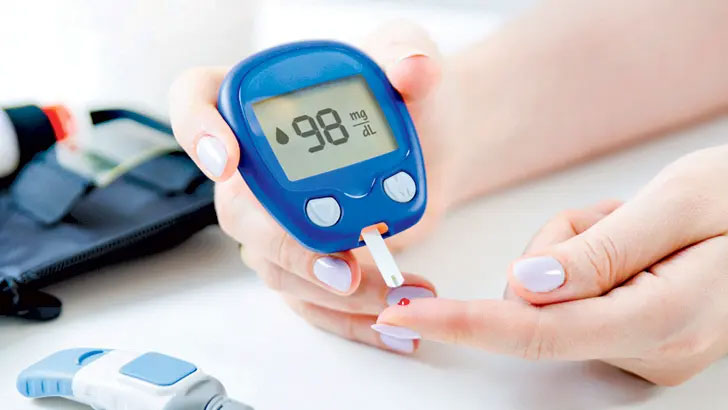
Type-2 diabetes is now appearing beyond middle-aged and older people, among young people and even children and adolescents. Two Bangladeshi studies recently published in international journals found that nearly two-thirds of people aged 10 to 34 living with diabetes did not know they had the disease.
One study was published in the March-April issue of AACE Endocrinology and Diabetes, the journal of the US-based American Association of Clinical Endocrinology. For the study, titled 'Early-Onset Type-2 Diabetes in Bangladesh: National Estimates and Risk Correlates', data were collected from urban and rural areas of all eight divisions from March to September 2024.
The study included 2,300 people aged 10 to 34. Diabetes was detected in 104 of them, or four and a half in every 100 participants. Prediabetes was found in 423 people, 18.4 percent of participants — roughly one in five people of the same age whose blood glucose was above normal but had not yet reached the diabetes stage.
The alarming finding was that 69 of the 104 people diagnosed, or 66 percent, had not known about their condition beforehand.
Rates differed by age. Among 19- to 34-year-olds the rate was 7.5 percent, compared with 1.3 percent among 10- to 18-year-olds. The rate was 6 percent in urban areas and 3.2 percent in rural areas.
The study found links with several risks. People with high blood pressure had 3.3 times the risk of being diagnosed compared with those without it. High triglycerides carried 2.9 times the risk, smokeless tobacco use 2.6 times, and low or moderate physical activity twice the risk compared with highly active people. Excess abdominal fat and lack of exercise were also linked among young people.
Lead researcher Dr Mashfiqul Hasan, a special duty officer at the Directorate General of Health Services and a PhD researcher at Bangladesh Medical University, said early-stage type-2 diabetes often has no symptoms, so people do not learn of the disease. Excess weight, physical inactivity and unhealthy diets raise the risk and at-risk people need testing, but risk-based testing for adolescents and young people is rare in the country, he said.
The second study, a national study of schoolchildren, was published in January this year in SAGE Open Pediatrics, a journal of US-based SAGE Publications. It analysed data from 3,342 schoolchildren aged 5 to 17 across eight divisions. Diabetes was detected in three children, all type-2, and prediabetes in 19 children, 0.569 percent of the total.
The children's study found links with obesity and having a close family member with diabetes, and found higher risk among girls than boys. Among participating children, 11.8 percent were obese and 6.74 percent overweight. Some 73.58 percent said they ate fast food from outside daily, and 80.88 percent had daily screen time of more than two hours.
The lead researcher of the children's study, Prof Dr Fouzia Mohsin of the neonatology and paediatrics department at BIRDEM General Hospital (Women and Children), said family history, lifestyle and diet all play important roles in children's type-2 diabetes. Family history cannot be changed, but risk can be reduced by controlling physical inactivity, unhealthy diets and obesity, she said.
According to the International Diabetes Federation's Diabetes Atlas 2025, 13,877,000 people aged 20 to 79 in Bangladesh were living with diabetes in 2024. Of them, 39 percent, or 5.4 million people, did not know of the disease. Prevalence in that age group was 12.3 percent, about 31,620 people died of the disease in the country that year, and the federation fears the number affected will exceed 23 million by 2050.
The Centre for Global Health Research of the Bangladesh Diabetic Association has been assessing risk through a 'Diabetes Risk Calculator' app since November 2024. Analysis of data from about 25,000 people aged 20 to 79 found 50 percent at high risk, 42 percent at medium risk and 6 percent at low risk. Its director, Prof Dr Biswajit Bhowmik, said many people feel healthy despite being at risk, so reaching people before symptoms appear is essential.
Prof Dr M Saifuddin, general secretary of the Bangladesh Endocrine Society and a professor of endocrinology at Dhaka Medical College, said doctors, nurses and dietitians must be trained to ensure quality care in remote areas. He called for certified training, online mentoring and national treatment guidelines for health workers at upazila and district levels, alongside community-level risk identification, screening, regular follow-up and a patient database.