Extra care for children as winter begins: from kangaroo care for newborns to pneumonia warnings
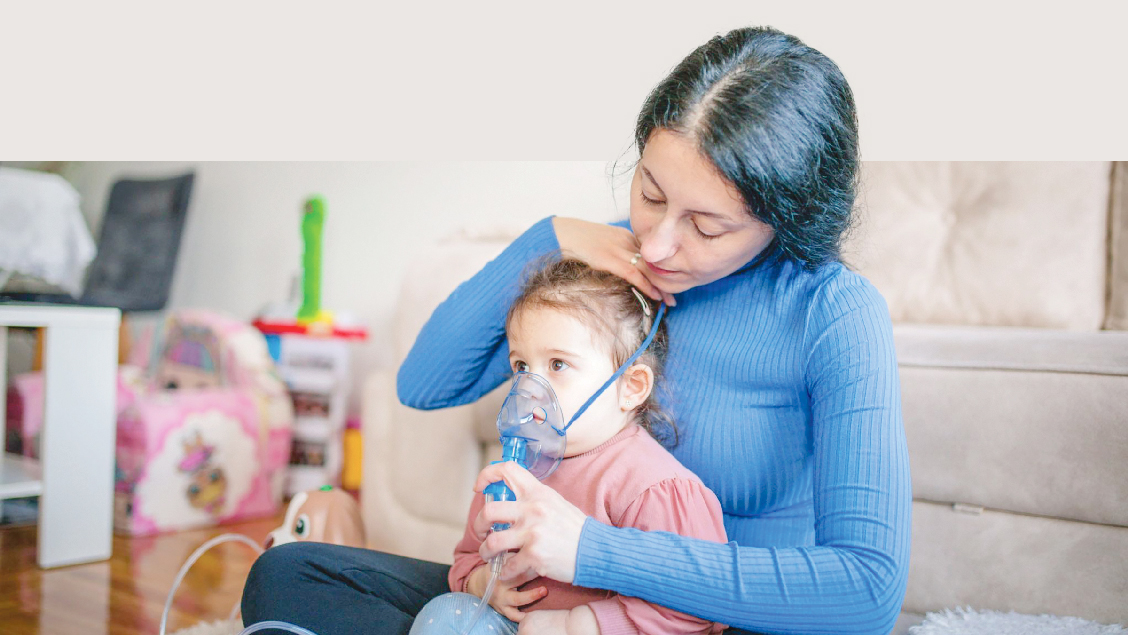
As winter begins and the season changes, children's health risks such as colds, coughs and pneumonia increase. Special care is therefore needed to protect children at this time, the report says.
On winter days a newborn should be kept close to the mother's body, known as kangaroo care, so that the baby's body temperature does not fall.
For bathing a newborn, the report says bathing can start 72 hours after birth, but in severe cold it is better to bathe the baby every other day in lukewarm water. For preterm or low-birth-weight newborns, a doctor's advice is essential.
After a bath, the baby should be dried with a soft towel and olive oil or lotion applied. Moisturiser can be used two to three times a day on dry skin.
To keep a child's hair clean amid winter dust, mild shampoo should be used two to three days a week. Massaging coconut oil into the hair an hour before shampooing keeps the hair fresh.
Olive or coconut oil suits a child's skin, but mustard oil must not be used, because it increases allergies or dandruff, the report notes.
For clothing, instead of heavy garments, the child should wear comfortable cotton clothes under warm clothing, so that the child does not sweat.
Bronchiolitis, pneumonia and asthma become more common in winter. With proper precautions and timely steps, a child can be kept safe from these winter illnesses, the report says.
For a child with bronchiolitis, keeping the nose clear and feeding breast milk or fluids frequently are the main treatment. Antibiotics are not needed for it.
Pneumonia is described as one of the causes of child deaths. If a child develops a high fever, cough and breathing difficulty, the child must be taken to hospital without delay.
If a newborn's nose is blocked or makes a rattling sound, the nose should be kept clear with frequent saline drops.
If a child already has asthma or allergy problems, preparations should be made at the start of winter on a doctor's advice.