Democrats push big minimum wage rises after midterm wins, economists warn of costs
Democrats are pushing major minimum-wage increases after their midterm victories, but economists warn the proposals could have unintended consequences for small businesses and inexperienced workers.
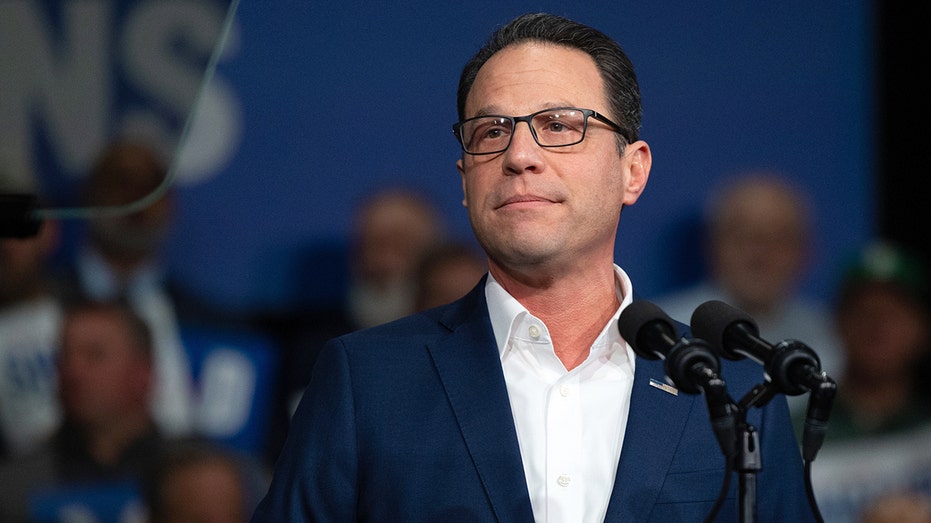
Pennsylvania Governor Josh Shapiro is pledging to more than double his state's $7.25 minimum wage, while Illinois Governor JB Pritzker is calling for a federal increase. Democrats are making affordability a central part of their governing agenda.
Shapiro wrote on X this month: 'We're going to more than double Pennsylvania's minimum wage. Codify abortion rights into our state Constitution. Fund mass transit. Build more housing. These are the commonsense things that Pennsylvanians want done.' He added that with a Democratic trifecta, they would deliver on all of them.
Shapiro's proposal would raise Pennsylvania's minimum wage from $7.25 to $15 an hour, an increase of roughly 107%, prompting questions about how small businesses would absorb the additional labour costs.
Tom Savidge, an economist with the American Institute for Economic Research, warned that steep wage increases could force small businesses to raise prices, reduce workers' hours or cut back on hiring. He said a federal minimum wage rise would worsen the affordability crisis, that a one-size-fits-all mandate ignores regional differences, and that politicians can mandate higher wages but cannot mandate that businesses can afford to pay them.
Savidge added that higher minimum wages can favour big corporations over small businesses, because large corporations can spread higher labour costs across more sales, invest in automation or relocate operations, while small businesses have fewer options.
Seattle offers one example in the debate. Its minimum wage is currently $21.30 an hour and will rise to $22.14 in January. Rising labour costs have been cited among the financial pressures by Seattle restaurant owners who have closed locations, alongside higher food prices, declining customer demand and other operating expenses.
A January survey by The Intentionalist found that 67% of 136 independent small businesses surveyed in Seattle and surrounding Washington communities reported greater financial strain than during the pandemic, pointing to rising labour costs, rent, insurance and weaker customer demand.
Research findings are mixed. A 2022 study in the American Economic Journal: Economic Policy found Seattle's 2015 and 2016 increases boosted pay for longer-tenured workers but reduced hours worked, particularly among less-experienced employees. A separate 2017 study by University of California, Berkeley researchers found Seattle's earlier increases raised wages in food service without a statistically significant decline in restaurant employment.
Shapiro said: 'Half a million workers in Pennsylvania still make less than $15 an hour — you can't live off of that in 2026. Now, we're finally able to change that. The very first bill that I will sign into law with our new Democratic majority this January will be to raise our minimum wage — and make sure every Pennsylvania worker has a livable wage. It's long overdue.' His comments came after Democrats secured a trifecta in Harrisburg in the 2026 midterms after flipping the Pennsylvania state Senate.
In an interview with former CNN host Don Lemon, Shapiro said job number one would be raising the minimum wage to $15 an hour, and that Pennsylvania had been stuck at $7.25 for decades because Republicans in the state Senate had blocked bills sent to them.
The push extends beyond Pennsylvania. Illinois Governor Pritzker, who signed legislation in 2019 gradually raising his state's minimum wage to $15 by 2025, is now calling on Congress to increase the federal minimum wage. He said in a statement: 'Americans made their voices heard and this is an opportunity for Congress to immediately address the challenges of working people – higher wages, lower costs, rooting out corruption. The people of Illinois cannot afford to wait.'
Adam Gorcyca, a policy researcher at the Illinois Policy Institute, warned employers may respond by cutting hours, slowing hiring or raising prices, and that mandating higher wages does not guarantee workers take home more. He also said Illinois does not have a stronger labour market and was one of the slowest to recover from the pandemic. Pritzker's office did not respond to a request for comment on Tuesday.
The push is also a priority for congressional Democrats. House Minority Leader Hakeem Jeffries said on Monday that the federal minimum wage needs to be raised and that he plans to discuss it with members of both chambers. He said it is a disgrace that the minimum wage has not been raised in 20 years and is currently $7.25 per hour.