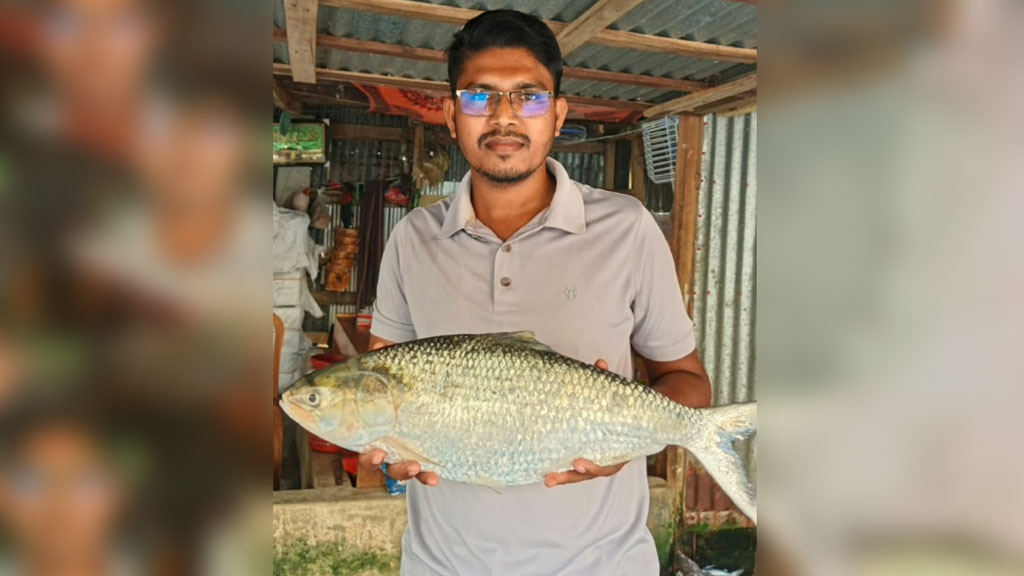
Bairali Fish Once Caught in Shoals in the Teesta and Dharla Now Sells for Over Tk 1,000 a Kilo
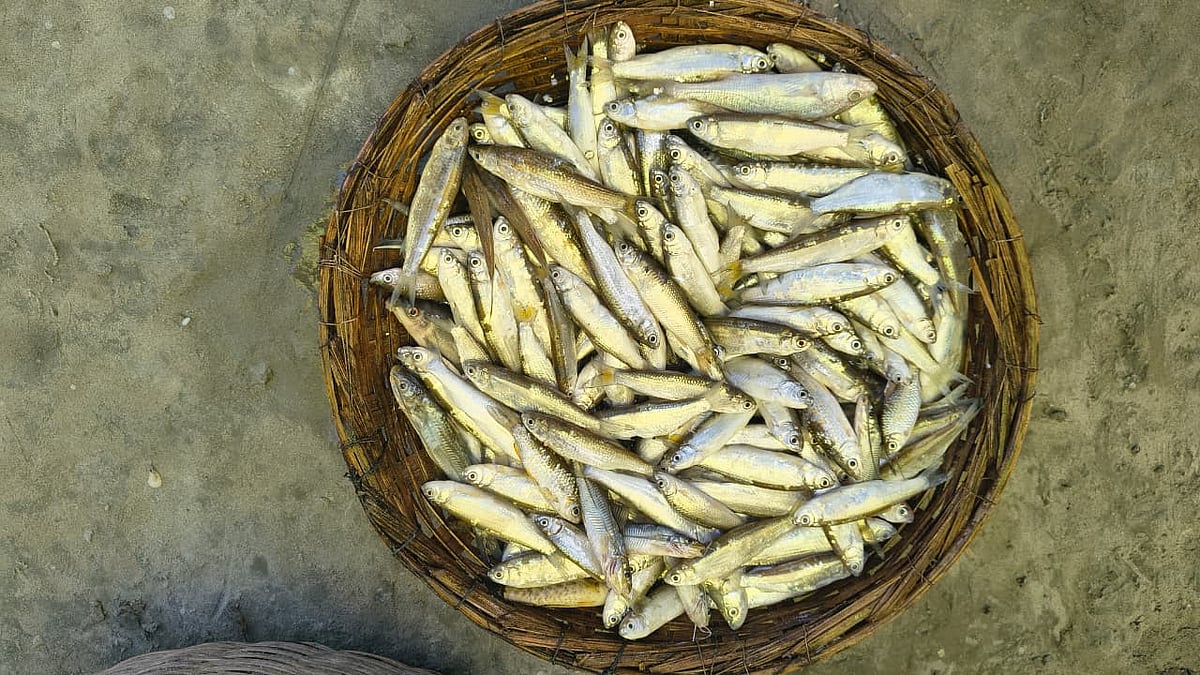
The bairali fish was once caught in shoals in Kurigram's Teesta, Dharla and Brahmaputra rivers; now fishers have to work far harder to find it at all. In local markets, bairali now sells for Tk 1,000 to Tk 1,200 per kilogram.
A temporary market for river fish once sat at Jigamari Ghat in Moghalbasa Union, near Kurigram town. Fishers cast their nets in the river all night and arrived at the ghat at dawn with their catch, while people from the town crowded in to buy fresh river fish. Bairali came up at that market alongside many other kinds of fish; its taste was distinctive and its price was higher too.
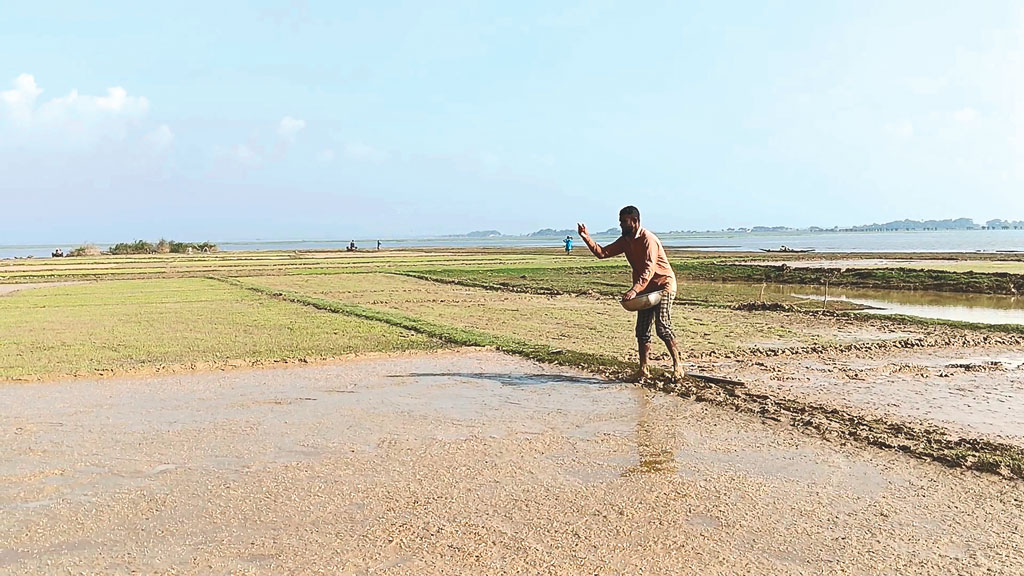
Daulat Khan, 98, from the Teesta riverbank area of Rajarhat Upazila, lives in Char Gatiasam in Kurigram's Ghorialdanga Union. He spent a long stretch of his life fishing the river as a seasonal fisher. In his words, bairali used to be caught in shoals in the Teesta, and catching bairali when you cast a net was an everyday event; those days are gone, the river has no water, and the fish have all moved downstream.
Fisher Kshitish Das, 65, of Ramna Byaparipara village in Chilmari, describes the same experience. For him, bairali was not just a tasty fish but a source of extra income; as fish have declined in the river, that income opportunity is shrinking too.
Asked why bairali has declined, Kshitish Das points to two causes: the river lacks water, and since current nets and electric-shock fishing arrived, the fry die along with the big fish. The fry are what grow into bairali, he says, and unless current nets and electric shocks are stopped, fish will one day vanish from the river altogether.
The fishers' two big worries are the falling flow of water in the rivers and harmful fishing methods. Their experience says that if fry get no chance to grow, fish availability in the river will naturally fall — raising fears not just for bairali but for the future of the rivers' other fish as well.
Bairali is a freshwater fish of the Cyprinidae family. It generally lives in hill streams, shallow rivers at the foot of hills, and clear, flowing water; its body is elongated and slender. In the fishers' experience, bairali stays in deep water during the day and moves to the upper layers near the banks from afternoon into the evening and night, when it is caught with small-mesh nets; more bairali is also caught in the hours before dawn.
There is still not enough information to determine whether bairali is endangered, so its conservation status remains uncertain. Changes in the rivers' natural flow, water pollution, siltation changing the nature of the riverbed, and the use of harmful nets may all affect the fish's habitat and breeding, people concerned believe. But there is no specific research on exactly how far bairali numbers have fallen in the Teesta and Dharla.
Md Ahsanul Haque, a lecturer in the fisheries faculty of Kurigram Agricultural University, says bairali availability has fallen compared with before in Kurigram district's Dharla, Teesta, Dudhkumar and Brahmaputra rivers. Clear water and current are essential for the fish's natural breeding, he says, but because of the navigability crisis, filling-in and pollution, the fish is changing its habitat, and with natural breeding disrupted, bairali is no longer found as before.
Ahsanul Haque adds that the university's fisheries faculty has recently begun research into whether bairali's nutritional value changes with the seasons. The lack of a permanent campus imposes some limits on the research, but work on the rivers and fisheries resources of Kurigram and Lalmonirhat districts is continuing.