The legendary Hasselblad camera that took the Moon's first photos is now in smartphones
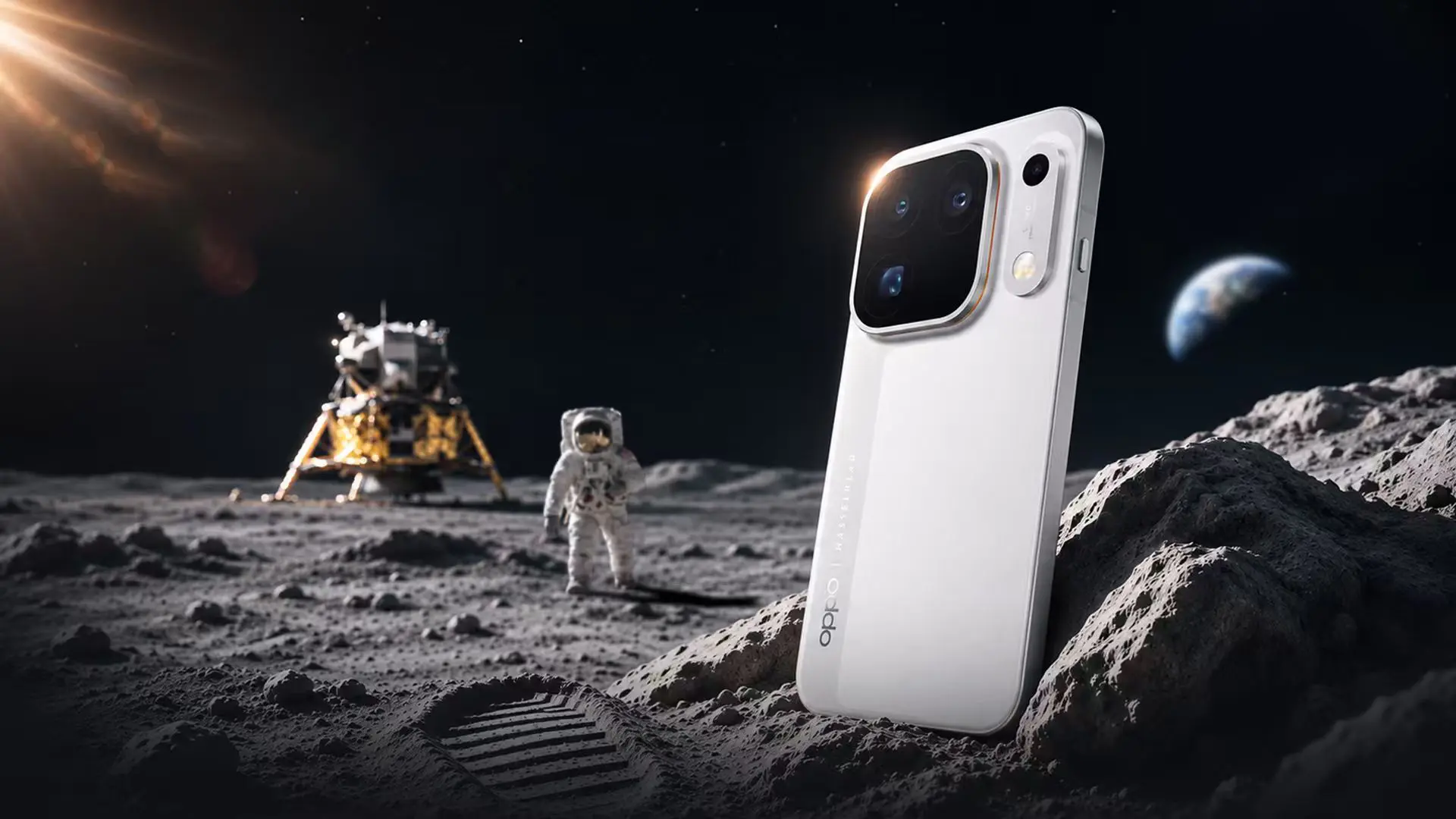
On 20 July 1969, the Apollo-11 mission put humans on the Moon for the first time. The historic moment was brought before billions of people on Earth by a specially built camera from Swedish camera maker Hasselblad.
From the astronauts' footprints on the lunar soil to the iconic photographs of Earth taken from space, everything was captured with a Hasselblad camera.
By proving its technical skill and reliability in the hostile space environment, the brand became a unique name in the history of photography from that time on.
Although many people first came to know Hasselblad through the Apollo missions, the company's history in the world of professional photography goes back much longer.
According to photography analysts, Hasselblad's core imaging philosophy is to capture the natural colours and true form of a picture instead of artificial glamour.
Preserving the natural glow of a sunset, the true colour of human skin and the delicate balance of nature's colours is the main feature of this technology.
At a time when digital and artificial-intelligence-based editing often strips photos of their naturalness, this philosophy of preserving the unadorned form of a real moment is gaining importance again.
With the evolution of technology, ordinary people's photography habits have changed greatly. Instead of heavy professional cameras, the smartphone has now become the main medium for capturing everyday moments.
Users now also expect precise detail and natural colours from a smartphone camera.
In response to this demand, strategic partnerships have developed in recent years between traditional camera makers and smartphone brands.
As part of that trend, Hasselblad's colour philosophy and imaging expertise have been added to the flagship 'Find' series of smartphone maker Oppo.
According to the information available, the Oppo 'Find X10 Pro Max' model carries 'True to Eyes' imaging technology, developed with Hasselblad, that aims to reproduce images as the naked eye sees them.
Five decades after the success of the space mission, that heritage camera technology is now finding a place in the modern smartphone in people's hands.