Mushroom lovers in the UK told to avoid grow kits over invasive species risk; golden oyster classed as high-risk
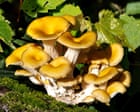
Experts have warned mushroom lovers in Britain against buying grow-your-own mushroom kits. They say many of these kits contain invasive species that are harming woodlands.
An international group of mycologists, including experts from the Royal Horticultural Society (RHS), has said many of these kits, which allow people to easily grow mushrooms at home, contain invasive species. The edible golden oyster mushroom is a favourite option among them.
The golden oyster has been found growing in UK forests at breakneck speed. It has now been officially classed as a high-risk invasive species because of its negative impact on woodlands.
Scientists have said the golden oyster has established itself in the wild in at least two UK forests, with the most likely pathway of introduction being escape or release from grow kits.
Native to east Asia, the species has been found to be invasive on other continents, as it has wind-dispersed spores that can travel thousands of miles, making it impossible to stop its spread. It arrived in the US in 2012 and has spread across 25 states and approximately 2 million square kilometres.
Research has shown that, because it establishes itself so successfully, the species can as much as halve the beneficial wood-inhabiting native fungi.
Despite its invasive nature, it is still legal to sell the golden oyster commercially, with grow kits widely available online and through large retailers. The RHS no longer exhibits the golden oyster at events, nor does it sell the mushroom in its shops, instead spotlighting native species that can be grown at home, including lion's mane.
Dr Jassy Drakulic, a senior plant pathologist at the RHS, said the growing public interest in fungi is something to celebrate, but as they become more widely grown and sold, the biosecurity risks that can accompany them must also be recognised. The escape of the golden oyster mushroom in the UK highlights a significant gap in how invasive fungi are managed, she said.
She said fungi are difficult to track in the wild, living mostly unseen until they fruit, so stronger policies are needed to prevent introducing species that can permanently alter native ecosystems. Developing a dedicated strategy for invasive fungi is essential to safeguard biodiversity for the future, she said.
Aishwarya Veerabahu, a mycologist at the University of Wisconsin-Madison in the US, said every golden oyster mushroom kit sold gives the species a chance to establish in nature and spread from there. Mushroom kits helped the golden oyster rapidly spread across the US and Canada; in less than a decade, it colonised vast areas of North America, and its full ecological impacts are still unfolding, she said.
She said golden oysters have not spread too far in the UK yet, so there is a fighting chance of preventing it from becoming invasive. People are being asked to hold off on buying mushroom kits to protect the UK's fungal biodiversity and favourite native edibles.