US loses measles elimination status after 26 years, following record cases and deaths, in PAHO decision

After 26 years, the United States has lost its status of having eliminated the highly contagious measles virus, following two years of record case numbers and deaths.
The Pan American Health Organization (PAHO), a specialised agency of the United Nations, determined that the US has had uninterrupted transmission of the same strain of measles for more than 12 months. On that basis, the elimination status was removed.
States in the US have reported 10 measles-related deaths this year, the most the country has seen in a year since the 1990s.
PAHO director Dr Jarbas Barbosa announced that Mexico and Bolivia have also lost their measles elimination status, attributing the resurgence of measles in the region to gaps in vaccination. At a news conference on Tuesday, he said, 'These figures are a serious warning for our region.'
Barbosa added that Canada, which lost its elimination status last year after several large outbreaks, has made strides this year to interrupt transmission.
Daniel Salas, PAHO's executive manager of immunisations, said on Tuesday that the US and the others who lost elimination status would be required to submit corrective action plans outlining how they would attempt to improve vaccination rates.
Earlier this year, the UK, Spain and Austria were among European nations that lost their measles-free status, along with countries including Russia, Azerbaijan and Uzbekistan.
Nuwan Gunawardhana, an assistant professor of medicine with Columbia University Irving Medical Center, described the US losing its elimination status as 'a huge leap backwards'. The US Department of Health and Human Services (HHS) did not respond to a request for comment from the BBC.
Before a vaccine was invented, the measles virus, with its signature blotchy red rash, used to infect millions of children a year. The extremely contagious virus can be fatal, and some patients can experience long-term complications including encephalitis and immune amnesia, which resets the immune system and leaves it with only limited ability to respond to new infections.
The US recommends two measles, mumps and rubella (MMR) shots for children between the ages of one and six, which are 97 percent effective in protecting against the illness. According to William Moss, a paediatric infectious disease specialist at the Johns Hopkins Bloomberg School of Public Health, the US was the first country to eliminate measles in the Americas thanks to vaccination campaigns.
However, the MMR vaccination rate across the US has fallen to 92.4 percent, below the 95 percent level that provides herd immunity. Herd immunity limits the spread of measles and protects those who cannot get vaccinated, including newborns. According to Dr Gunawardhana, that trust and uptake have been eroding since the Covid-19 pandemic, when patients were confronted with misinformation about vaccine safety and lost more trust in public health systems.
The country has seen 5,400 cases of measles this year alone, the most it has recorded in a year since 1991. An outbreak in Pennsylvania has infected over 1,400 people, likely a large underestimate according to state officials, and killed seven people.
US Health Secretary Robert F Kennedy Jr has sparred with Pennsylvania officials over how the state is counting measles deaths, with the US Centers for Disease Control and Prevention (CDC) declining for now to record some of the deaths in its database. Kennedy has argued that the rise in measles cases started before he took the helm at HHS and that neighbouring countries have also seen more infections.
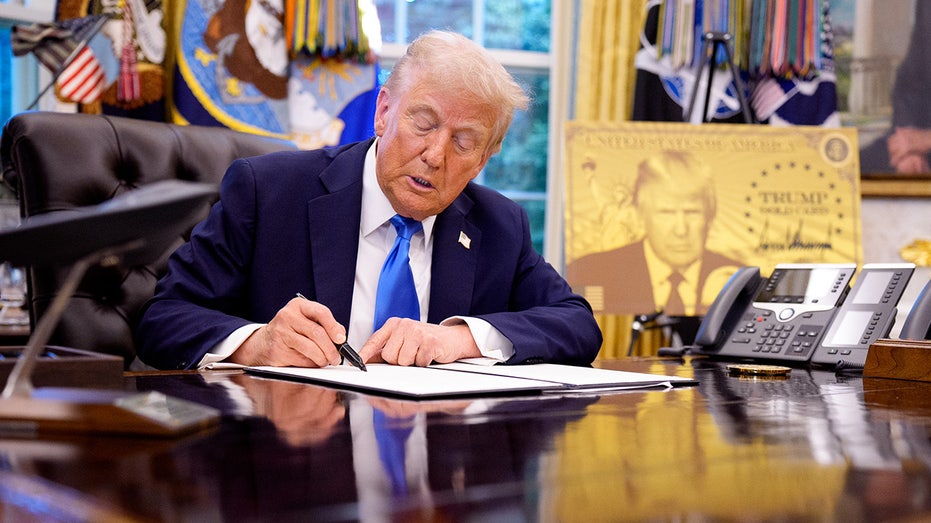
Doctors and public health officials say misinformation from Kennedy and President Donald Trump has played a major role in falling vaccination rates. Dr Gunawardhana said, 'It's confusing patients. It's confusing families. We need a clear message from the top.'