
Deutsche Bank Kept Russian Oligarch Clients Despite Repeated Warnings, Leaked Files Show
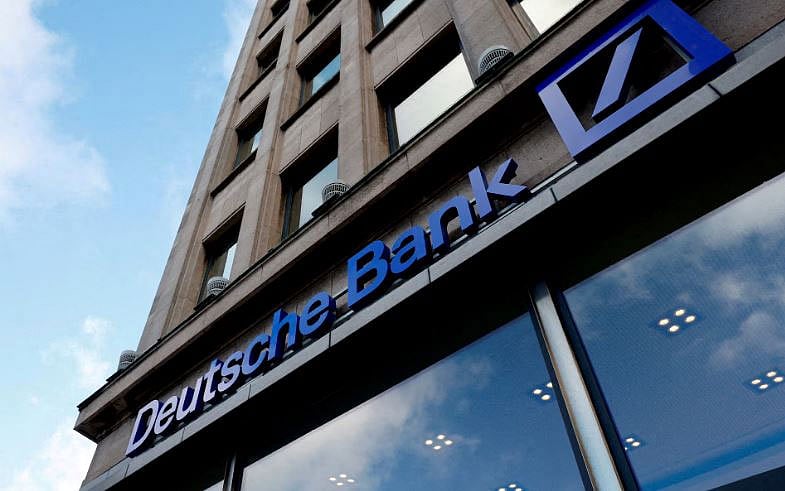
Germany's Deutsche Bank maintained business ties with influential Russian oligarchs for profit, even though its own officials repeatedly warned about the risks.
The findings emerged from an international investigation after more than 15 million internal bank documents were leaked. The New York Times published a report on the matter on Tuesday.
The leaked files include the bank's confidential reports, emails, meeting minutes and business plans. An international consortium of more than 200 journalists analysed the documents.
The investigation found that important Russian clients included oligarchs such as Oleg Deripaska and Viktor Vekselberg, who have close ties to Russia's political and business power structure.
In 2014 the bank's internal risk review committee named Deripaska as one of its riskiest clients, citing allegations of money laundering, tax evasion and links to organised crime against him.
On that basis, the bank's financial crime prevention unit recommended severing ties with companies controlled by Deripaska. The business division argued instead that he was a long-standing important partner, and in the end business interests prevailed.
An internal presentation in 2015 described the Russian oligarchs as important contributors to the bank's success and as a foundation for sustainable growth in its wealth management division.
Earlier, in the 'mirror trading' affair, US and British regulators alleged that Russian investors had moved up to about 10 billion dollars in suspicious transactions through the bank. In 2017 the bank paid several hundred million dollars to reach a settlement.
In 2018 the Trump administration imposed sanctions on seven wealthy industrialists close to Russian President Vladimir Putin. According to the leaked files, five of them were bank clients directly or through their companies.
In September 2020, outside lawyers appointed in New York advised the bank to seriously consider ending its Russia-related activities, but the bank did not accept the advice, and in April 2021 its management board instead decided to carefully expand business in Moscow.
The investigation also found that the bank had moved many oligarch accounts to Switzerland and Luxembourg, where strict banking secrecy laws create legal barriers to disclosing client information to foreign authorities. The investigation said no evidence was found that the accounts were moved for that purpose.
After Russia's full-scale invasion of Ukraine in February 2022, secrecy laws complicated the US Justice Department's request for information on sanctioned Russian clients. On 10 March that year chief executive Christian Sewing said the bank would close some business in Russia but not withdraw entirely, and the next day the bank reversed course and announced it would wind down its operations there.
Deutsche Bank has said it operated in compliance with the law, did not help any client evade financial sanctions, and acted quickly to implement the sanctions imposed after the Ukraine war began.

