Waymo Driverless Cars Barred From California Freeways After Troubling Incidents
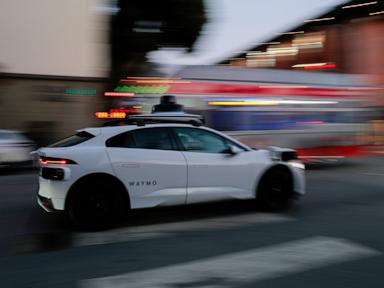
The US state of California has imposed a temporary freeway ban on driverless cars operated by Waymo. The state Department of Motor Vehicles (DMV) said Waymo's cars pose an imminent hazard to public safety.
The decision followed a series of troubling incidents, including one in which three of the company's driverless cars entered an active freeway construction zone.
The California DMV ordered Waymo on 11 November to stop operating its cars on state freeways until the company takes corrective action to prevent further dangerous situations.
In a statement, the DMV said it had determined that Waymo's driverless freeway operations pose an imminent hazard to public safety due to recurring incursions by its vehicles into active construction zones where construction workers, vehicles and equipment are present.
The DMV specifically noted two recent incidents. Earlier this month, a Waymo car attempted to pass California Highway Patrol vehicles that were attempting to create a blockade on Interstate 280 in the Bay Area.
In another incident, three Waymo vehicles entered an active construction zone on Highway 101 near the Bay Area city of Burlingame, putting workers and equipment at risk, according to the DMV.
The DMV said the incident occurred despite prior restrictions and corrective actions implemented following similar incidents.
In May, Waymo temporarily paused its freeway operations in several cities, including San Francisco and Los Angeles, to improve how its autonomous cars respond in construction zones.
Before Waymo is allowed to resume freeway operations this time, it must provide sufficient evidence that its vehicles can safely detect and respond to construction zones, emergency vehicles and other roadway situations, according to the DMV.
In a statement, Waymo said safety is at the foundation of everything it does, and noted that no injuries or collisions resulted from the recent incidents flagged by the DMV.
Waymo said that, in line with its safety-first principles, it has also temporarily restricted freeway operations across its other operating markets to evaluate its performance.
The company said its ride-hailing service will continue on surface streets, and that it is working with the California DMV and other state officials diligently and responsibly to resume freeway operations.