Myanmar Committed Genocide Against the Rohingya, ICJ Rules in Historic Verdict

The International Court of Justice (ICJ) has ruled that Myanmar's security forces committed genocide against the minority Rohingya population in 2017. The United Nations' highest court delivered the historic verdict in The Hague, Netherlands, on Thursday 19 November, declaring the killings, widespread sexual violence and torture to be state-sponsored genocide.
The court's panel of 15 judges said Myanmar's security forces carried out genocide against the Rohingya population in northern Rakhine State. In the court's view, there is no other reasonable explanation for Myanmar's actions than an intent to destroy a substantial part of the Rohingya people.
Reading the verdict, Chief Judge Yuji Iwasawa said Myanmar's security forces killed thousands of Rohingya civilians. They also carried out widespread sexual violence, extreme abuse of children, and attacks on Rohingya fleeing to save their lives, he said.
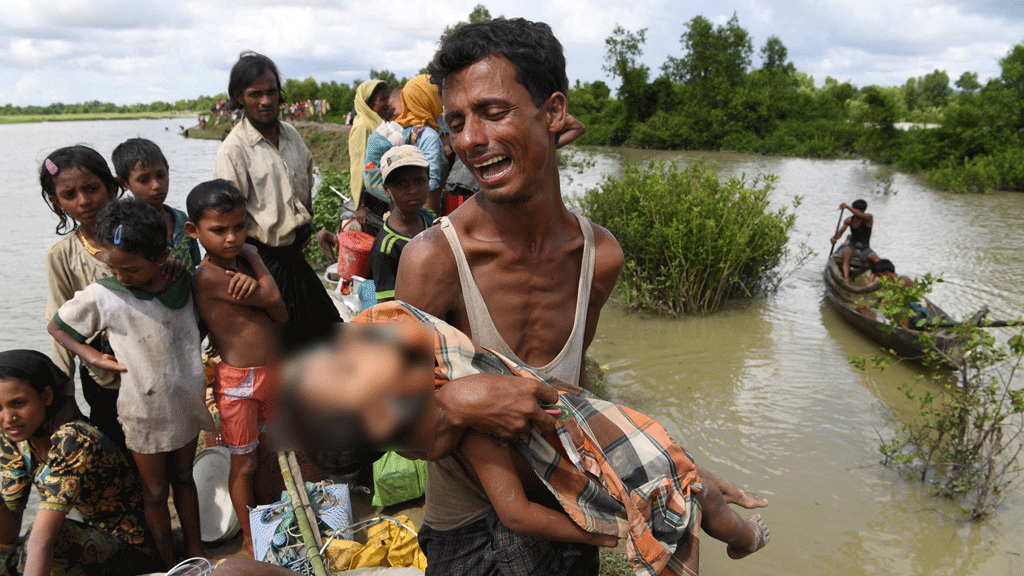
The verdict said that during its so-called 'clearance operations' in 2017, Myanmar's army inflicted widespread abuse on women and children. Men and boys were killed en masse, Rohingya women were raped and sexually assaulted, and hundreds of villages were burned down. The court's observations also noted allegations of hate speech spread against the Rohingya.
Muslim-majority Gambia filed the case against Myanmar at the International Court of Justice in 2019. The verdict came after seven years of judicial proceedings, and the case is being seen as a major legal victory for Gambia.
The court's decision is final, with no right of appeal. The verdict also stated Myanmar's obligation to pay reparations to the Rohingya, though the amount will be determined at a later stage.
The verdict also gave directions on ensuring the safe and dignified repatriation of Rohingya displaced by Myanmar's actions, and the reunification of families.
According to the report, proof of genocide charges before an international court is very rare. After the Nazi Holocaust, legal recognition of genocide was given in the 1994 genocide in Rwanda, the 1995 killings in Srebrenica in Bosnia, and the atrocities of the Khmer Rouge in Cambodia.
The report said the verdict against Myanmar could prompt fresh discussion internationally, and could in particular affect South Africa's genocide case against Israel over Gaza. Both Israel and Myanmar, however, have denied the genocide allegations brought against them.
At least 700,000 Rohingya were forced to flee Myanmar and take refuge in Bangladesh during the 2017 military operation.