What happens if Myanmar does not comply with the ICJ ruling, and how can it be enforced?
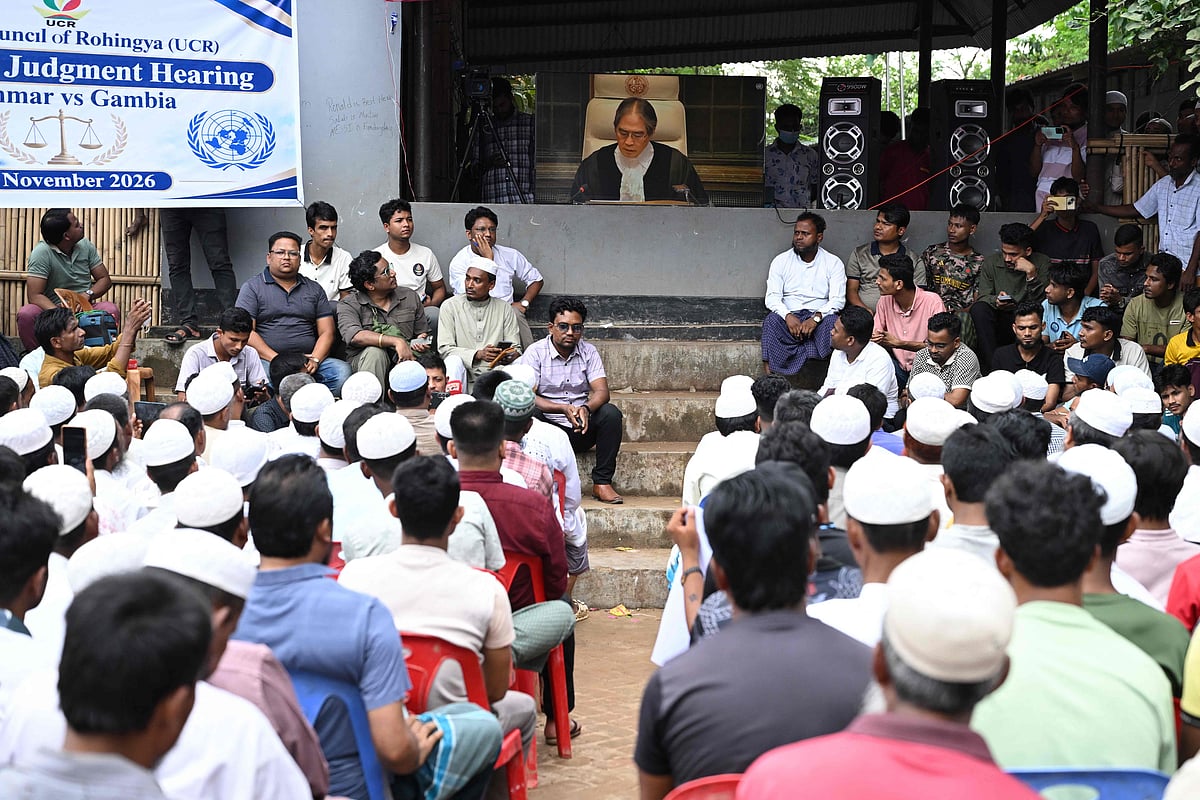
The International Court of Justice (ICJ) has ruled that Myanmar carried out acts of group destruction against the Rohingya population in Rakhine State. Myanmar failed to fulfil its obligation under the UN's 1948 Genocide Convention to prevent this crime, the court said.
The ICJ directed Myanmar to take immediate effective steps to ensure the trial and punishment of any person suspected of genocidal acts. It also directed Myanmar to ensure the safe repatriation of the Rohingya.
The court said displaced Rohingya refugees inside Myanmar or abroad must be allowed a safe, voluntary and dignified repatriation, and Myanmar must assist in the process. In addition, personal and collective property destroyed or seized during the violent campaign must be returned, or property of equal value given to those affected. Physical and mental rehabilitation for the Rohingya must also be arranged.
Myanmar has been given two years to submit a report stating the amount of such compensation and the method of paying it. After receiving that report, the ICJ will decide whether Myanmar's proposal is sufficient.
The question now is who will implement this ruling, what happens if Myanmar does not take steps in line with it, and whether there is any scope to appeal against the ruling.
Responsibility for carrying out the directions given to Myanmar in the ICJ ruling rests with the Myanmar state. Under Article 94 of the UN Charter, the country is bound to comply with the ICJ's decision as a party to the case.
Under Article 60 of the ICJ Statute, this ruling is final and there is no scope for appeal. However, if there is a dispute over the meaning or scope of the ruling, an interpretation can be sought, and there is provision to apply for a revision under specific strict conditions.
Under Article 94 of the UN Charter, every UN member state is committed to complying with the ICJ's decision in any case to which it is a party. If a party fails to fulfil the obligations imposed on it under the court's ruling, the other party may have recourse to the UN Security Council. In that case, the Security Council may, if it deems necessary, make recommendations or decide on measures to give effect to the ruling. But this is not an automatic process.
Important decisions require the support of at least nine Security Council member states. However, if any of the five permanent members casts a veto, the proposal is blocked. So alongside the legal obligation, the Council's political position is also important.
This is a case determining state responsibility. The ICJ does not conduct criminal trials of individuals. Therefore, the arrest or imprisonment of an army chief is not a direct outcome of this case.