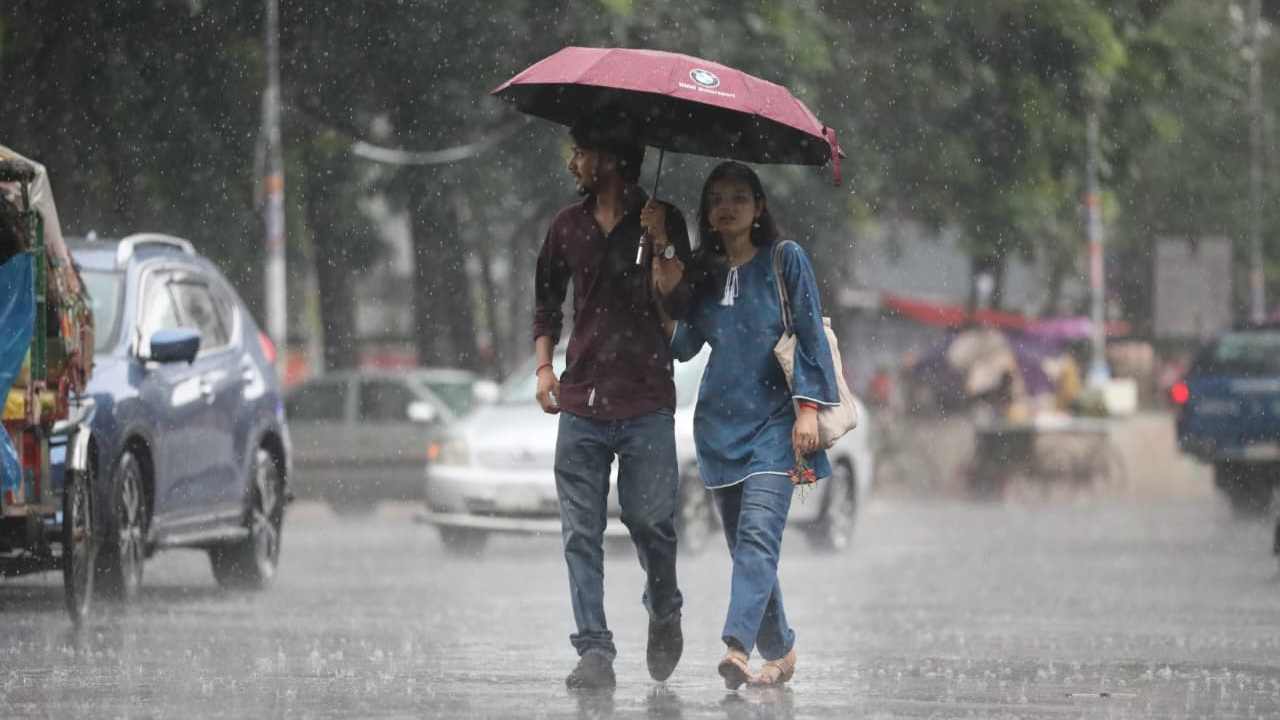
Rain in Dhaka since morning, more likely across the country today; rain cools the air, but winter comes with the season
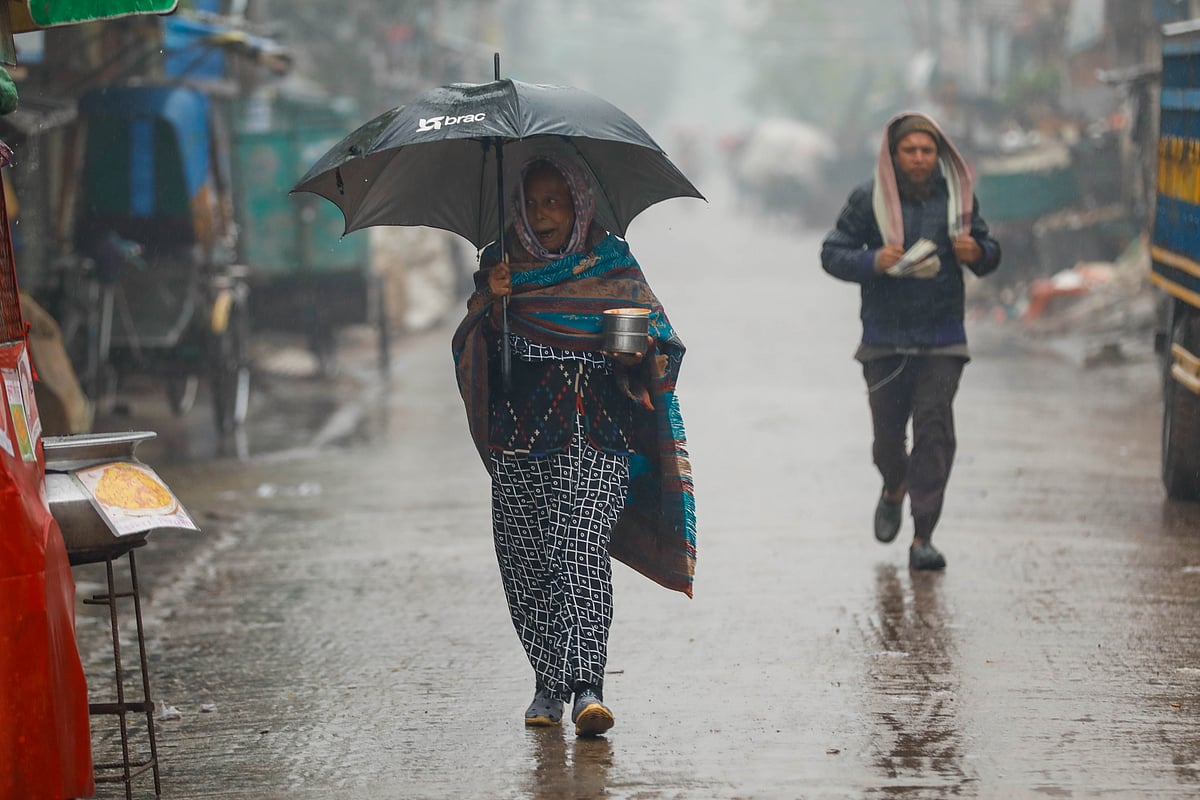
It has been raining in Dhaka since the morning of November 19. The sky has stayed cloudy, with drizzle at times and steadier drops at others. Muddy water has collected on the streets, tree leaves are glistening, and it feels chilly indoors.
The Bangladesh Meteorological Department forecast says rain may also fall in various parts of the country on November 20. The forecast says daytime temperatures may also drop slightly because of the rain.
The first reason temperatures fall when it rains is cloud. Before rain, clouds gather and sunlight goes behind them. As a result, the ground and surroundings receive less direct solar heat during the day, the sun's intensity weakens, and daytime temperatures can drop somewhat.
The second important reason is evaporation. As raindrops fall from cloud to ground, they come into contact with the surrounding air and some of them turn into vapour. Changing liquid water into water vapour requires energy, and that energy comes from the surrounding environment. As a result, heat energy leaves the air and the air cools.
Feeling cold after a bath with a wet body has the same cause. As water on the skin evaporates, it takes heat from the body. Raindrops evaporating also take heat from the surrounding air, so the air temperature can fall.
The sudden gust of cold air felt during rain also comes from this process. Air moves in various ways inside a rain cloud. As drops descend, evaporation cools the surrounding air, and because cold air is comparatively heavy, it sinks. In meteorology, this downward-moving air is called a downdraft.
Reaching near the ground, this air spreads out in all directions, and a sudden cold breeze is felt. Just before a storm this air can sometimes blow quite strongly, and it is seen more often before or during thunderstorms.
Feeling colder while wet is also due to evaporation. Coming home soaked by rain, the water on the body and clothes takes heat from the body as it dries. If wind blows, the water evaporates faster and heat leaves the body quickly. At the same temperature, dry clothes would not feel as cold.
However, when humidity is high, sweat cannot dry easily, so on hot days the body cannot cool itself readily through sweat. When air temperature falls during rain, heat leaving through wet clothes and skin can make it feel chilly.
But there is no rule that winter begins whenever it rains. Rain can lower temperatures temporarily. Winter requires large-scale weather changes — such as a flow of cold, dry air from the north, reduced solar heating, and changes in day and night temperatures.
In Bangladesh, the feeling of winter usually grows from late November. Winter is felt most in December and January. But its timing and intensity can differ from region to region.
After rain, if the sky clears, the sun may come out again and daytime temperatures may rise. In some areas, if cold air flows in from the north after the rain stops, the feeling of winter may increase further. So rain and winter are related, but they are not the same thing — rain can cool the air, while winter arrives through weather causes linked to the change of season.