New York City Unveils Roadmap to Close Rikers Island Jail, Replacing It With Four Borough-Based Jails
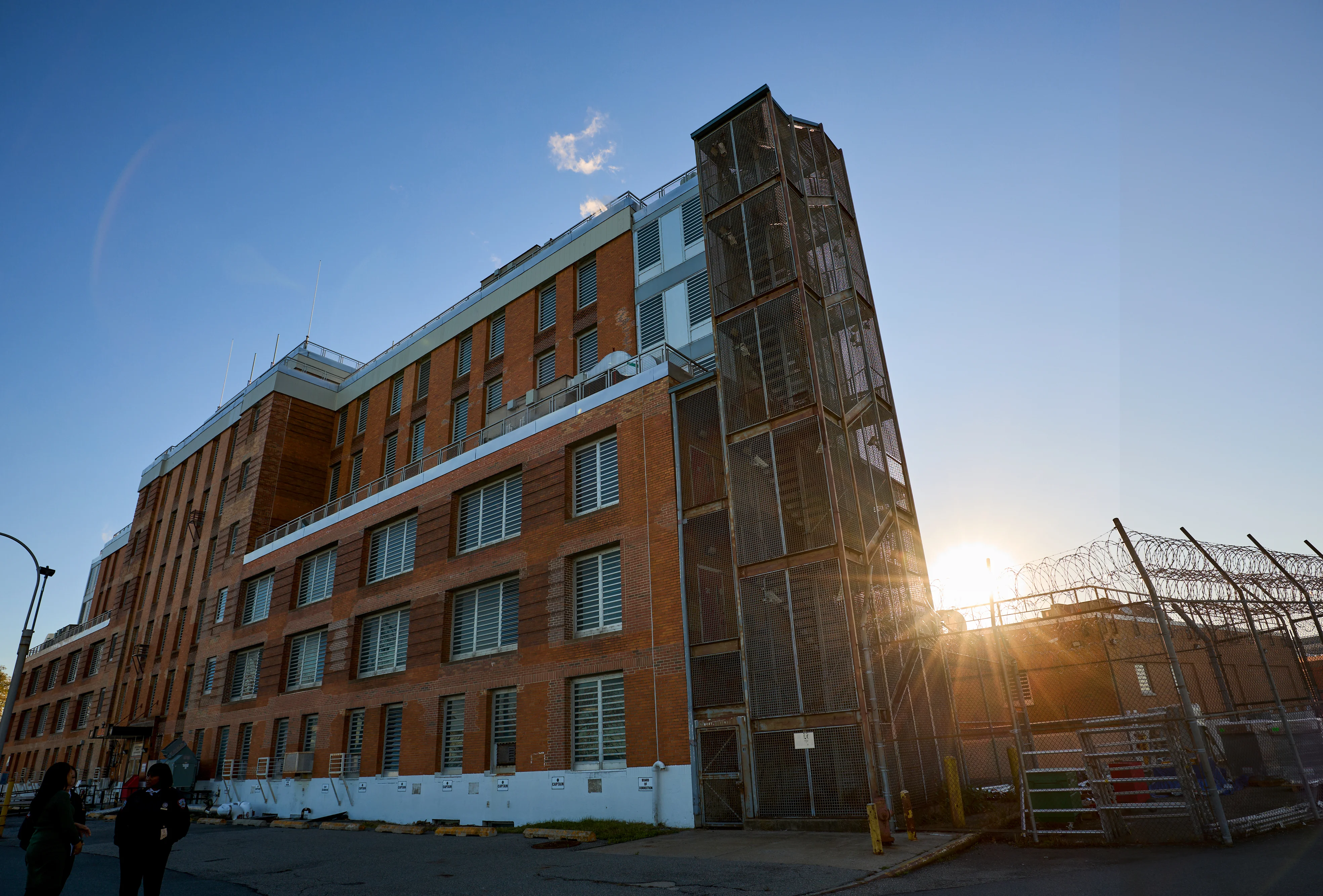
New York City officials on Friday unveiled their plan and roadmap to close the troubled jail complex on Rikers Island. The city's main pre-trial detention centre has been plagued by reports of abuse and neglect for decades. Officials say they finally have momentum to close the jail for good.
Mayor Zohran Mamdani said it is long past time to close what has been a moral stain on the city, adding that the old approaches to public safety cannot simply be accepted because they have always been done that way. Earlier this year Mamdani closed the North Infirmary Command building on Rikers.
Rikers, which sits on a former garbage dump in the East River, has long been infamous for its dismal conditions, including crumbling infrastructure. Inmates have accused guards of excessive force, sexual assault and high rates of violence in multiple lawsuits.
Last year, a federal judge called the amount of violence at Rikers an unconstitutional danger for both the people held there and the staff. Federal court records say Rikers is significantly more violent than comparable jails.
Since 2022, more than 50 people have died in the custody of the New York City Department of Correction, almost all of them held at Rikers. People have been found unresponsive; they have died by suicide and been beaten to death.
In 2019, the New York City Council approved a plan to close Rikers by 2027 and build four smaller jails in Brooklyn, Manhattan, Queens and the Bronx in its place. Unlike Rikers, on an island between Queens and the Bronx, the borough-based jails will be closer to the courts and to public transit, making visits easier for families, lawyers and service providers.
Since 2019, however, not much progress has been made, and city officials acknowledge they will not make the 2027 deadline. Mamdani said the last administration had no interest in advancing the closure, and that he is confident his administration can be the first to deliver on it.
Earlier this year Mamdani appointed Stanley Richards as commissioner of the Department of Correction — the first formerly incarcerated person to lead the department. The city has also revived a housing initiative for New Yorkers released from jail with medical needs and opened a therapeutic housing unit at a public hospital in Manhattan.
Last year, a federal judge stripped the city of its authority over Rikers; operations are now controlled by a remediation manager, Nicholas Deml, who released his own initial plan earlier this year. Deml travelled with Commissioner Richards to Germany, where they observed that country's prisons and jails, often regarded as an international model that places human dignity at the centre of incarceration.
The four new jails will not be fully completed for another six years; the Brooklyn facility is due to be completed in 2029. Together, the new jails will hold about 2,000 fewer people than the approximately 6,600 people Rikers holds now. The city's plan invests more than $250 million over the next several years in reducing the jail population — expanding alternatives to incarceration such as diversion programmes and electronic monitoring, and expanding supportive housing and mental health treatment.
The vast majority of people at Rikers are awaiting trial, and nearly a quarter have been in jail for more than a year. Judge Joseph Zayas, chief administrative judge of the New York State Unified Court System, said many factors lengthen a jail stay, including processing evidence during discovery and administering mental health assessments. Insha Rahman, president of the Vera Institute of Justice, said that if New York City can do this at scale, it will encourage places like Los Angeles, Chicago, Philadelphia and Houston to do the same.