Iran says it downed a US drone over Hormuz as efforts to end the war remain stalled

Iran's Islamic Revolutionary Guard Corps (IRGC) says it has shot down a US MQ-9 drone over the Strait of Hormuz, as the United States steps up its economic pressure campaign against Iran.
According to Iranian state broadcaster IRIB, the IRGC said on Saturday that a new air defence system had intercepted and shot down the drone. It said the incident marked the 58th US MQ-9 drone brought down by Iranian forces.
The incident comes days after the US and Iran engaged in direct, tit-for-tat strikes, against a backdrop of increasing Iranian attacks on vessels transiting the Strait of Hormuz, the vital waterway through which one-fifth of the world's oil and gas passed in peacetime.
The war, launched by the US and Israel on February 28, has killed thousands of people, severely disrupted shipping, pushed global energy prices higher and spread to countries across the region.
The US and Iran signed a memorandum of understanding in June, but it was never fully implemented because of disagreements over freedom and security of navigation in the strait, with attacks resuming periodically since July. In August, The Washington Post reported that the US had lost 45 MQ-9 drones, about 25 percent of its fleet at a cost of more than $1.3bn, during combat operations in Iran.
As an agreement to end the war remains elusive, Iranian Foreign Minister Abbas Araghchi on Friday outlined his country's positions, citing a seven-day proposal delivered to the US in September. He told state media that the seven conditions Iran has put forward 'must be implemented for the Strait of Hormuz to reopen'. The conditions include ending the war and lifting sanctions and the naval blockade on Iran's southern ports.
Araghchi said Iran was prepared to negotiate how the conditions should be implemented and that its timetable was 'flexible', but the talks would be conditional on the American side taking 'necessary confidence-building measures'. He ruled out transferring Iran's stockpile of 60 percent enriched uranium abroad, but said a 'fair solution' could be reached and that a number of mediators' proposals were 'worth examining'. The current 'no war, no peace' state was undesirable, he said, but Iran could not accept an agreement that would 'hand victory to the other side'.
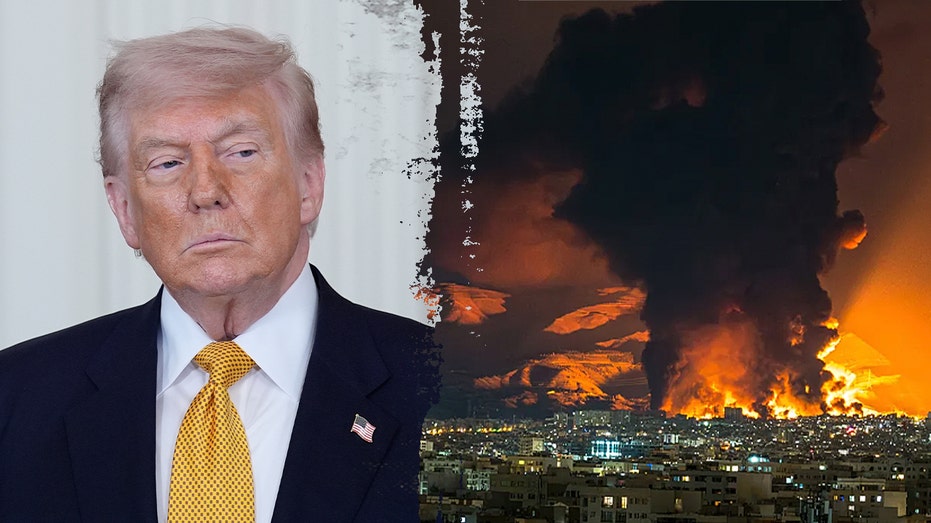
At a White House news conference on Friday, US President Donald Trump told reporters that Tehran 'want to make a deal' but not one acceptable to him. 'We want to make a real deal, not a fake deal that they've been doing for 51 years,' Trump said; last week he had said a deal with Iran on ending the war was unnecessary.
At the same news conference, Vice President JD Vance declined to say whether he would have authorised strikes on Iran to prevent it developing a nuclear weapon. The decision to attack Iran in February was Trump's call, he said, 'and my job is to support the president of the United States.'
Separately on Friday, the US Treasury imposed sanctions on four Iranians it said acted as 'oil trustees', collecting money from illicit international oil sales to evade sanctions and the naval blockade. The Treasury said the trustees in many cases kept oil revenues for personal gain. Those sanctioned include Mohammad Javad Bavand, a former IRGC intelligence officer, and Majid Taj, brother of Iranian Football Federation president Mehdi Taj.
The Treasury also sanctioned Mohammad Hossein Servati, son of IRGC Brigadier General Mohsen Servati, whose companies brokered and received shipments of Iranian oil for delivery to independent Chinese 'teapot' refineries. Another is Mojtaba Arabnejad, son of sanctioned Mahan Air CEO Hamid Arabnejad, who has purchased aircraft parts for the airline and overseen oil sales. The sanctions place them on the Specially Designated Nationals list, freezing any assets under US jurisdiction and effectively prohibiting dollar transactions with them.
Meanwhile, Democratic Representatives Yassamin Ansari and Ro Khanna called on Congress to use an upcoming government funding bill to end spending on offensive military operations against Iran, citing the war's mounting costs. But with a December 11 budget deadline and the risk of a government shutdown, senior Democrats Rosa DeLauro and Patty Murray said they would prefer to find ways to end the war without risking a shutdown.