Chicago Mayor Brandon Johnson fights to stay on 2027 ballot amid City Hall exodus and credit warning
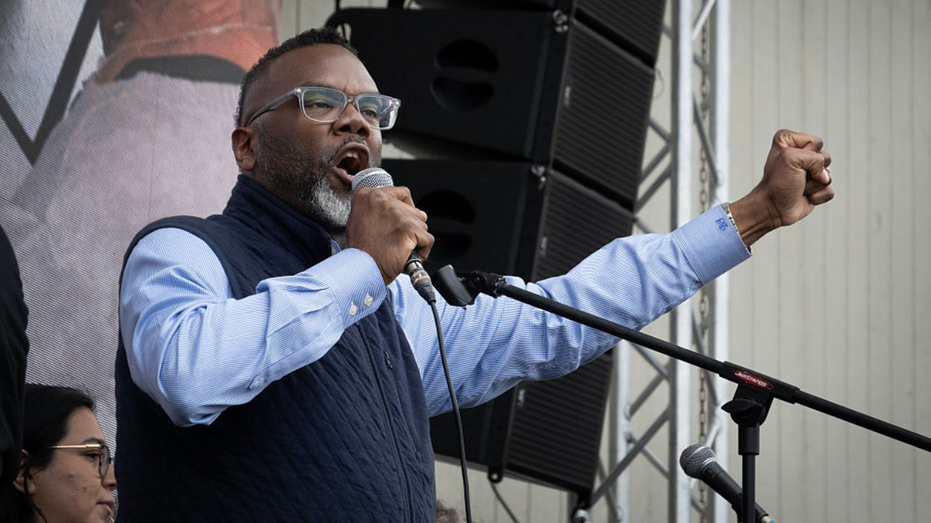
Chicago Mayor Brandon Johnson is fighting to keep his name on the 2027 ballot at the exact moment his administration is engulfed in a fiscal and leadership meltdown at City Hall. Election officials are reviewing challenges to more than 25,000 of Johnson's nominating signatures ahead of the February 23, 2027 mayoral election.
The threshold fight is unfolding just days after his third chief financial officer in 10 months abruptly resigned, Standard & Poor's placed Chicago's credit rating on negative watch, and the City Council voted 45-5 to investigate three years of city financial reporting for possible misstatements.
Despite the mounting pressure, Johnson brushed off questions about whether he will survive the ballot challenge, telling ABC 7 Chicago he was feeling fine and would be on the ballot, and that they would continue working to build the safest, most affordable big city in America.
Johnson needs 12,500 valid signatures to qualify for Chicago's February 23, 2027 mayoral ballot. Hearing officers at the Chicago Board of Elections are reviewing more than 25,000 signatures challenged by supporters of perennial mayoral candidate Willie Wilson.
Johnson's campaign says 6,718 signatures were not challenged and projects that he would finish with 14,788 valid signatures if the first day's 32 percent validation rate holds. That would put him 2,288 signatures above the requirement, but the figure is the campaign's estimate, not a final board tally.
The objectors say early rulings are favouring their challenge, and the review remains unresolved.
The turmoil inside City Hall accelerated following the sudden departure of chief financial officer Ashlee Gabrysch, who said continuing in the role would compromise her integrity and professional obligations. Johnson later said she was not the right fit.
David Greising, CEO of the Better Government Association, told CBS Chicago that it is yet another high-level change in the mayor's administration and a sign of continuing turmoil and a lack of direction at a very key time for the city, especially heading into a mayoral election.
A survey of 1,108 adults by NORC at the University of Chicago, conducted September 13-23, found that 22.2 percent approved of Johnson's job performance, while 52.9 percent disapproved and 24.8 percent had no opinion. The survey predates both the current petition review and Gabrysch's departure.
Meanwhile, Johnson's proposed 17.6 billion dollar 2027 budget is intended to close an 882.4 million dollar gap, but a 28-member City Council bloc told him it did not see the votes needed to pass his tax proposals.
Standard & Poor's placed Chicago's BBB general-obligation rating on negative CreditWatch, citing the budget stalemate and management instability. The agency said there was at least a 50 percent chance of a downgrade within 90 days, which could raise the city's borrowing costs.
The City Council voted 45-5 on Wednesday to authorise an independent review of three years of financial reporting for possible material or intentional misstatements.