Wrongfully convicted in India, Badal Farazi gets four weeks' parole after 18 years to return to his mother
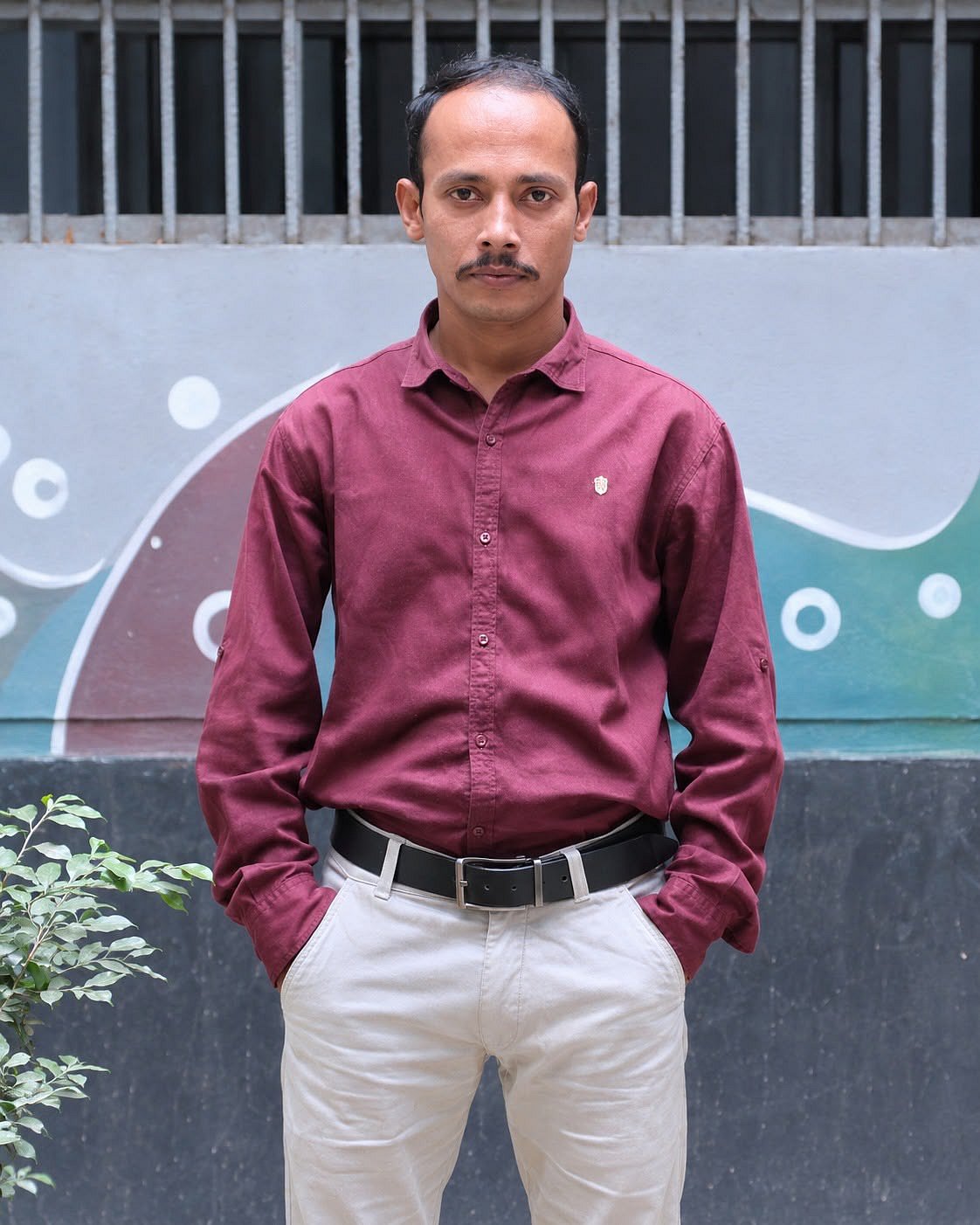
Bangladeshi citizen Badal Farazi, who was wrongfully given a life sentence in a murder case while visiting India, is being released on parole for four weeks. After being brought back to Bangladesh under a prisoner transfer agreement, he remained in prison in this country.
Bangladesh's home ministry granted his parole on 16 November. Prison authorities say the process of releasing him from Kashimpur High Security Central Jail in Gazipur is under way, where he is currently held.
Human rights activists have long said Indian police were looking for a man named 'Badal Singh', who was the domestic worker of the murdered elderly woman. Because of the similarity in names, they arrested Badal Farazi, who had entered India 2 months and 7 days after the murder.
Badal's father died while he was in prison. His mother Shefali Begum can no longer move around. His sister Aklima Begum said they are waiting for Badal's release and want him never to have to return to prison.
Badal Farazi's imprisonment has been widely discussed in both Bangladesh and India, with human chains and other programmes held in both countries demanding his release. A novel has also been written about him, published by Prothoma Prokashon, titled 'Badaler Karabash: Bhul Bichare 18 Bochhor — Bharat Theke Bangladesh'.
In Bangladesh, the Prochesta Foundation and several journalists and lawyers joined the campaign for his release, while in India human rights activist Rahul Kapoor and others were involved. Most recently, a human chain was held in front of the National Press Club in the capital on 6 April demanding his release.
Badal's imprisonment began in 2008. On 6 May that year, 71-year-old Nirmala Madan was murdered at her home in Delhi. Police were looking for her domestic worker, a man named 'Badal Singh', in the murder case.
Badal Farazi travelled to India via Benapole in July 2008 planning to see the Taj Mahal. The Indian High Commission in Dhaka had issued him a tourist visa. On 13 July he entered Haridaspur in India through the Benapole border. Soon afterwards, India's Border Security Force detained him, and on 21 July he was formally shown arrested as 'Badal Singh' in the murder case.
Badal was 18 at the time and was a student. His family and human rights activists say that because he did not know English or Hindi, he could not explain his identity.
On 17 December 2012, the Bangladesh High Commission in New Delhi wrote to India's foreign ministry, presenting Badal's passport and visa numbers, the visa issue date and his entry information. His school authorities also certified in his favour. Even after all this evidence was presented, he was not released.
On 21 July 2015, a Delhi court found Badal guilty, and on 22 August that year he was sentenced to life imprisonment. The Delhi High Court upheld the sentence the following year.
Badal spent nearly 10 years in Delhi's Tihar jail, where he completed his secondary, higher secondary and undergraduate studies and was also involved in various work in prison.
Under the prisoner transfer agreement, Badal was brought back to Bangladesh on 6 July 2018. Then home minister Asaduzzaman Khan had assured his release, but after returning he was kept at Dhaka Central Jail in Keraniganj.