What happens in the US between the midterms and January: lame-duck session, leadership fights and a funding deadline

The United States midterm elections are over and Democrats have won control of both houses of Congress. They do not, however, take power until January.
Election officials are still finalising results and completing certification, a process that varies by state. Newly elected lawmakers are preparing to take office, while the outgoing Congress continues its legislative work.
On November 9, the existing Congress returned to Washington for what is known as the lame-duck session. That term describes Congress meeting after an election but before the new Congress takes office.
It means Republicans still hold the majority in both chambers and can continue passing legislation until the new Congress takes office in January.
During this period, newly elected members prepare to take office in January. They attend orientation sessions in Washington, hire staff and learn how Congress operates day to day.
The parties also choose their leaders in the House of Representatives and the Senate. The party controlling each chamber selects the majority leader and the other party selects the minority leader. The House will also vote on a speaker, who leads the House.
The Republican Party has already re-elected John Thune as its Senate leader, as he enters the final two years of Donald Trump's presidency.
On the Democratic side the contest is becoming more of a fight. Senator Chris Van Hollen of Maryland is challenging Senator Chuck Schumer of New York, the current Senate minority leader, to become Senate majority leader, with a vote scheduled for December 1.
Speaking on Al Jazeera's This Is America, Democratic strategist Roger Fisk suggested the difference between the two candidates may be more about method than goals. He said the difference would probably be in the how rather than the what.
Republican strategist Doug Heye said the leadership debate reflects wider questions facing both parties after the midterms. Referring to Republican losses and the party's future as well as divisions among Democrats, he said both parties have somewhat of an identity crisis.
One of the biggest challenges for the current Congress is a December 11 deadline to approve government funding. Congress passed a temporary spending bill, known as a continuing resolution, to keep federal agencies functioning without approving a full-year budget. Before that measure expires, Congress must approve another bill to keep the government funded. If lawmakers do not reach a deal, part of the federal government could face a shutdown.
Heye told Al Jazeera a temporary funding extension could push negotiations into February, by which time Democrats will control both chambers. He also named the federal debt ceiling as another challenge for the new Congress, adding that these are two things that never come up on the campaign trail but can be very important in showing what the next two years will look like.
The current Congress is expected to finalise its legislative work before the Christmas holidays. The House's final sitting day is planned for December 17 and the Senate's for December 18. Lawmakers could, however, remain in Washington longer if major issues remain unresolved.
Even if lawmakers finish earlier, the 119th Congress's term does not officially end until January 3. The 120th Congress starts at noon (17:00 GMT) on January 3, 2027. January 3 falls on a Sunday, however, and Congress could pass a law setting a different date for the first meeting.
When the new House convenes, lawmakers must elect a Speaker before being sworn in. Newly elected senators will also take their oaths. With control of both chambers, Democrats will gain authority over congressional committees, legislative priorities and investigations into the administration of President Donald Trump.
Heye told Al Jazeera there will be committee chairs in the House and the Senate, they will all be Democrats, and they will all have subpoena power. He warned, however, that congressional investigations could complicate negotiations between Democrats and the White House.
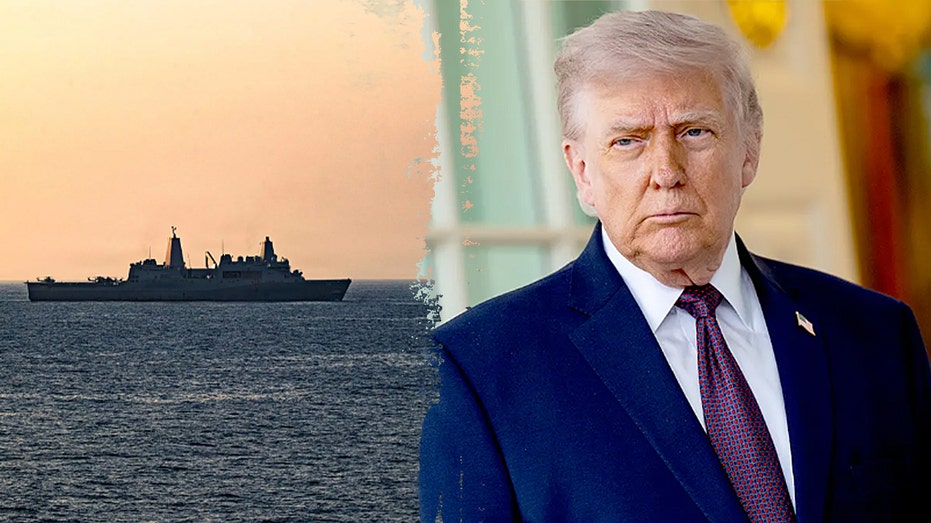
Trump will remain president after the midterms, but he will face a Congress controlled by Democrats in both chambers. His administration will have to negotiate with Democrats to pass legislation, while a Democrat-led Senate will control confirmation of presidential nominees. Democrats will also be able to launch congressional investigations and hearings into the president's actions and those of his inner circle and administration.
House Democratic leader Hakeem Jeffries has already outlined some of the party's priorities. He said the war of choice in Iran needs to end and the Trump tariffs need to stop. He also called for reversing Medicaid and food assistance cuts and extending Affordable Care Act tax credits.
Democratic control of Congress does not guarantee those policies will become law. Trump can veto legislation, and overriding a presidential veto requires a two-thirds majority in both chambers. Fisk said he would hope each side would at least give the other 60 to 90 days to see where they might be able to put together a couple of wins on behalf of the American people.