Progressives Propose $25 Federal Minimum Wage in US, Economists Warn of Inflation and Job Risks
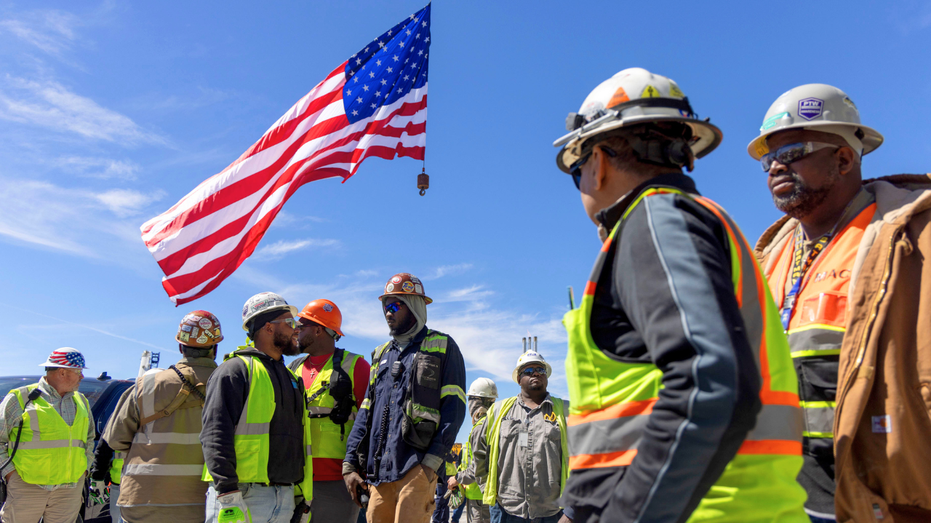
Progressive House Democrats in the United States have proposed raising the federal minimum wage to 25 dollars an hour. The proposal is presented as an answer to the affordability crisis, but conservative economists have warned that it could drive up costs and threaten jobs.
The proposal from the Congressional Progressive Caucus would more than triple the current federal minimum wage of 7.25 dollars an hour, raising questions about its potential impact on businesses and workers in states with significantly lower living costs than major cities.
Representative Everton Blair Jr., a Democrat from Georgia, said people should rally around a minimum wage of at least 25 dollars, adjusted for inflation, so that a job enables people to survive and thrive.
Asked whether a nationwide 25-dollar minimum wage could hurt workers and businesses in lower-cost states, Blair argued that the proposed rate should serve as a national baseline. He said 25 dollars an hour should be the floor, and it should be higher in places with a higher cost of living.
Blair acknowledged concerns that raising the minimum wage could contribute to inflation, but said lawmakers must find a way to increase workers' earnings while keeping people afloat.
Representative Delia Ramirez, a Democrat from Illinois, also backed the proposal, pointing to the high cost of living in cities such as Seattle and Washington, D.C., as justification for raising wages. She said corporations do not want to pay their workers liveable wages.
Heritage Foundation chief economist E.J. Antoni, however, warned that a 25-dollar federal minimum wage could increase costs and unemployment, arguing that the economic consequences would extend beyond major metropolitan areas. He said that whenever a price floor on labour is set above the market equilibrium, a surplus of labour is created, which is called unemployment.
Despite those warnings, progressive lawmakers expressed confidence that the proposal could gain support from Democratic leadership in both chambers and potentially reach President Donald Trump's desk. Blair said there is a widespread coalition in the Democratic caucus that has long been saying one job should be enough to pay the bills.
Ramirez also expressed cautious optimism about the possibility of Trump signing the legislation, pointing to his previous willingness to discuss bipartisan immigration reform. She said she never knows what the president might or might not be willing to do.
The Living Wage for All coalition, which joined lawmakers in unveiling the proposal, says support for a 25-dollar minimum wage extends beyond Democratic voters. Citing polling, the coalition said 63 percent of Republicans support a 25-dollar federal minimum wage, describing it as a blue-collar demand to address the affordability crisis.
Coalition members also drew comparisons between the history of minimum-wage policies and slavery-era labour practices, arguing that the current wage system has historically disadvantaged women and marginalised workers.
The proposal comes as Democrats prepare to advance their affordability agenda in the 120th Congress, with progressives seeking to make higher wages a central component of the party's economic platform. Neither House Speaker Hakeem Jeffries nor the White House responded to requests for comment.