Longer Sleep Linked to Higher Death Risk in Heart Patients: Sleeping Nine Hours or More Tied to 51% Higher Risk, Study Finds
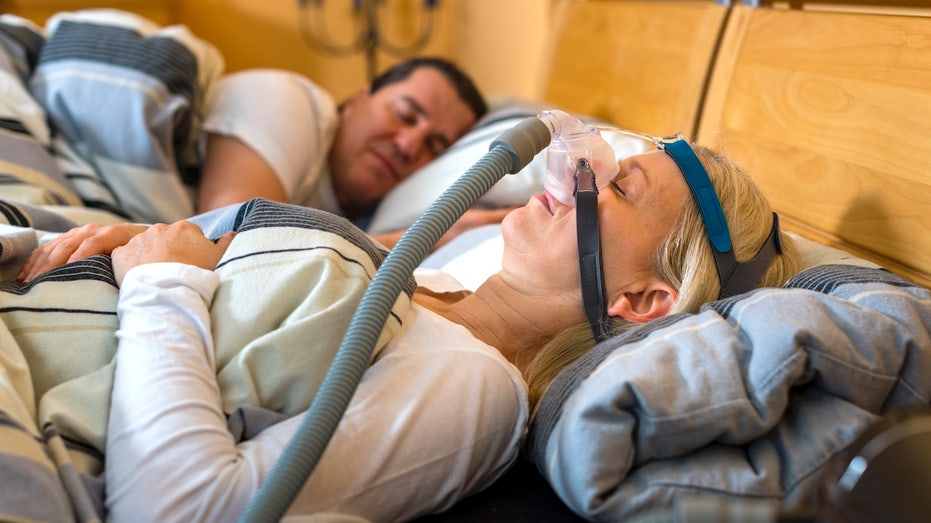
Adults with heart disease who sleep nine or more hours per night could be at a higher risk of death than those who sleep seven to eight hours, according to a recent study published in the journal PLOS One.
The cohort study, titled 'Sleep duration and cause-specific mortality among US adults with heart disease,' analyzed data from 3,287 adults with heart disease from the 2004 National Health Survey linked to the National Death Index running until December 31, 2019.
In the National Health Survey, participants answered whether they had heart disease based on whether they had ever been told they had coronary heart disease, a heart attack or a heart condition or disease, according to the study.
Sleep per 24 hours was categorized into durations of six hours or less, seven to eight hours and nine or more hours. The study authors adjusted for health factors and lifestyle behaviors such as body mass index (BMI), alcohol consumption, smoking, physical activity, diabetes and hypertension.
Over approximately 15 years of follow-up, 49.4% of participants died. Out of all participants, 16.7% died from heart-related causes and 32.6% died from non-heart-related causes.
After adjusting for all lifestyle factors, researchers found that sleeping nine or more hours was linked to a 51% increased risk of death from all causes, compared with sleeping seven to eight hours. The risk of heart-related death was 53% higher and the risk of non-heart-related mortality was 50% higher.
Sleep duration of six hours or less was significantly associated with non-heart-related death only in the least-adjusted model, and the connection weakened with further adjustment.
Erin Palinski-Wade, a New Jersey-based registered dietitian and Certified Diabetes Care and Education Specialist, told Fox News Digital that sleep affects blood pressure, blood sugar regulation, inflammation and appetite hormones, and all of these influence cardiovascular risk.
Palinski-Wade cautioned, however, that because the study is observational, it shows an association, not cause and effect. She said long sleep may be a symptom of underlying problems like more advanced heart disease, depression, sleep apnea or medication side effects, and the study could not fully account for those.
Antony Chu, a cardiologist and clinical assistant professor at Brown University's Warren Alpert School of Medicine, told Fox News Digital he is not aware of a convincing biological mechanism by which extra hours of sleep damage the heart. He said he sees clinically that patients sleep longer because something is pulling on their reserve: worsening heart failure, untreated sleep apnea, depression, sedating medications, anemia or frailty.
Palinski-Wade noted that sleeping too much or too little are both potential red flags, so it is important for people to pay attention to how rested they feel rather than only focusing on the number of hours they slept. She added that because the study only tested people with pre-existing heart conditions, it should not be used to suggest that prolonged sleep leads to heart disease in the general population.
The authors also noted that their findings do not invalidate the negative cardiovascular effects of getting too little sleep.