Seven Period Changes That Should Prompt a Visit to a Doctor
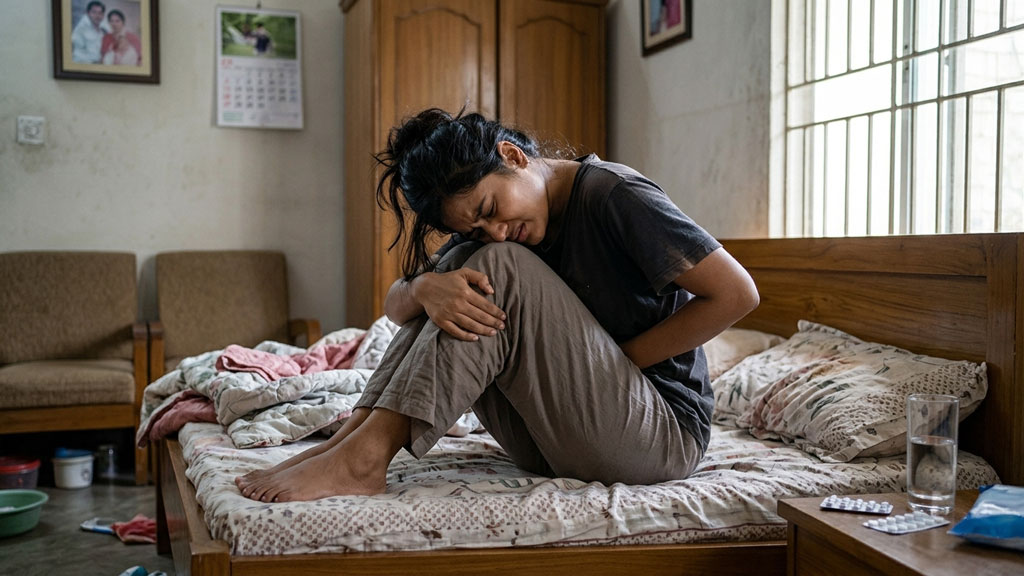
Every woman's period is different. Some last two days, others a full week. Flow can be light or uncomfortably heavy. Some women have mild pain, some severe pain, and many have no pain at all.
When the menstrual cycle is regular and normal, there is usually nothing to worry about. But a sudden change or abnormality in the cycle calls for caution. Seven such signs are described, any of which should prompt advice from a doctor.
The first sign is a period suddenly stopping. Periods usually come every 28 days, with some variation. A sudden stop can be caused by pregnancy, which a pregnancy test can confirm.
If pregnancy is not the cause, several other factors can stop periods. Excessive exercise or major weight loss can reduce body fat and disturb the hormones that control menstruation. Sudden large weight gain can also disrupt hormonal balance and make periods irregular.
Continuous use of contraceptive pills is another cause. Some hormonal contraceptive pills, taken regularly, can reduce periods or even stop them.
Polycystic ovary syndrome, or PCOS, can also disturb hormonal balance, make periods irregular and cause cysts to form in the ovaries. Excessive stress or anxiety can likewise disrupt a regular cycle.
Perimenopause is another cause. In the late forties or early fifties, estrogen levels begin to fall, in the stage before menopause. Twelve consecutive months without a period is taken as menopause, but in the years before that periods can fluctuate considerably.
The second important sign is abnormally heavy bleeding. Bleeding that soaks one or more sanitary pads or tampons every hour is called menorrhagia, or abnormally heavy bleeding. It can be accompanied by symptoms of anaemia such as tiredness or breathlessness. About one in three women seeks a doctor's help on this at some point.
Possible causes of heavy bleeding include hormonal imbalance. Conditions such as PCOS or an underactive thyroid can disrupt normal hormone production, thickening the lining of the uterus and increasing bleeding.
Fibroids or polyps can also cause heavy bleeding. These growths in the uterus are usually non-cancerous. Endometriosis can likewise cause pain and other complications during periods; in that condition, tissue similar to the lining of the uterus grows outside it, for example in the ovaries or fallopian tubes.