More than 6,000 Bangladeshis detained after seeking asylum in Greece, facing uncertain days in island centres
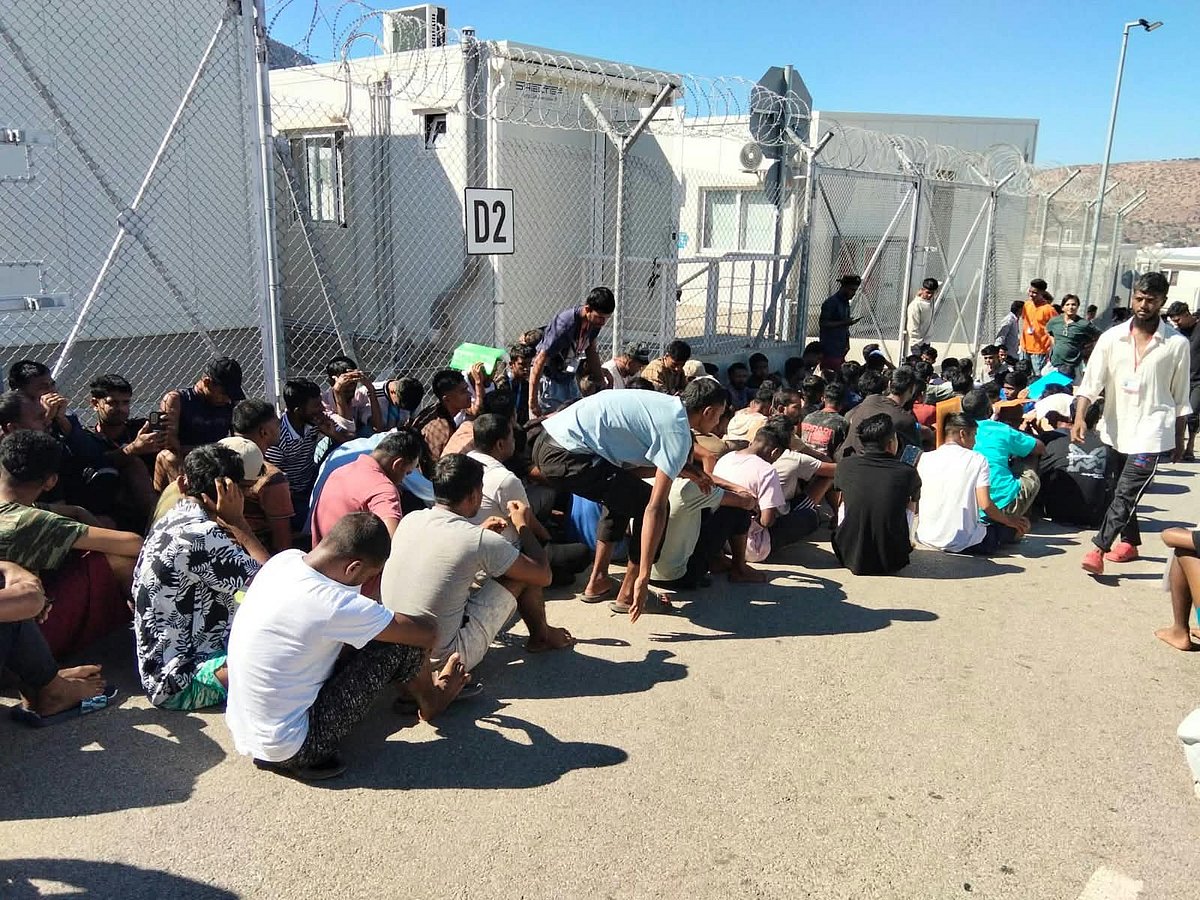
Thousands of Bangladeshis who reached Greece by sea and sought asylum are now stranded in detention. According to the UN refugee agency UNHCR, 6,150 Bangladeshis arrived in Greece by sea in the first nine months of this year. A Bangladesh-linked source centred in Athens says the number will be even higher.
Nine Bangladeshis held at migrant detention centres on the Greek islands of Leros, Kos, Samos and Lesbos were spoken to by mobile phone. They claim more than 8,000 Bangladeshis are stuck on various islands.
The Greek government has already informed the Bangladesh embassy that 2,000 Bangladeshis who applied for asylum are in detention, the embassy was told last week. Legal proceedings are under way for the rest of those detained, and the Greek government will inform the embassy once those proceedings end. A government source in Dhaka said Bangladesh has also received a report noting that many Bangladeshis travelled to Greece by irregular routes and sought political asylum.
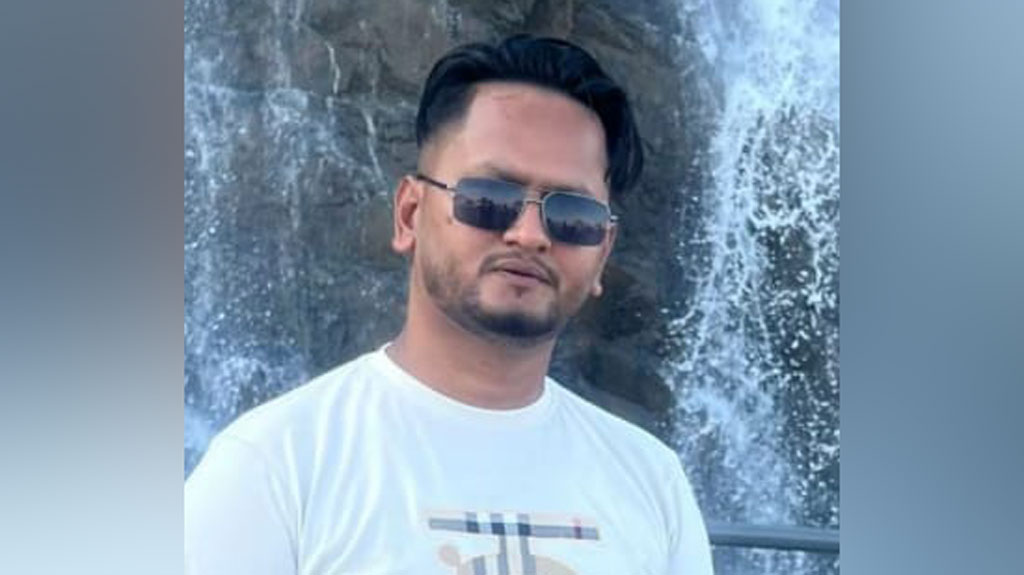
Tanvir Ahmed Hadi of Mallikpur in Terokhada upazila of Khulna had to sell and mortgage family land to raise Tk 14 lakh to travel to Greece. Travelling via brokers, he crossed the Mediterranean from Libya in an inflatable rubber boat and reached Greece on 17 August. But the job he left home for never materialised. He now spends his days at a detention centre on the island of Leros, and his family still has to send about Tk 20,000 a month for his food expenses.
Tanvir alleges that the food given once a day at the detention centre is often not fit to eat. Without money sent from home, he would have to go hungry, he said.
Tanvir passed his SSC examinations in 2024. His younger brother and sister are still studying. He saw many people remain unemployed even after finishing their studies, and believed that landing a good job at home would also take lakhs of taka. So he decided to go abroad. The man he paid was an associate of the main broker; he did not even know the main broker's name.
Tanvir's journey began around January. He first went to Saudi Arabia to perform Umrah. Six days later he flew to Egypt, and after one night, to Libya. In Benghazi, the broker's men moved them from place to place, he said; sometimes five people shared one person's food.
A few months later, they were taken by car to the seashore one day. The broker had told him about a wooden boat. At the shore he found an inflatable rubber boat instead, and 57 people boarded it. The weather was bad that day. Water entered the boat and spoiled the dry food they had brought; there was very little drinking water. Bailing water out of the boat, they reached the Greek shore after 46 hours.
Within about two hours of landing, police took Tanvir and the others to a detention centre. Two days later he was taken to the island of Leros. Tanvir said he was told work would be arranged after 12 weeks. Later, after an interview, he was informed that his application had been rejected. He is now being told to return home voluntarily.
Ajib Rahman of Shambhupur in Bhairab is held at a detention centre on the island of Kos. Reaching Greece cost him Tk 26 lakh in total. He left home last December and travelled via Dubai and Egypt to Libya on a travel visa. His father died before he reached Libya, and while he was there he received news that his mother had also died. After about five months he set out for Greece by boat. Ajib said they lost their way at sea, and after five days a Danish ship rescued them and brought them to Greece.
Ajib Rahman said he was first told he would be detained for three months, and was later told one year. By his count, he has been detained for about seven months. His wife and eight-month-old daughter are at home. He raised the money for Greece by selling land, and has no land left. Unable to decide how he would run his family with no income if he returns, he remains in limbo.
Shahidul Islam is held at a detention centre on another island. His total cost was Tk 19 lakh. He has been detained for two months, and in that time his family has sent a further Tk 150,000 for his expenses. His elder brother Mohammad Khokon of Chattogram said he took a loan of Tk 7 lakh and sold some land to send his brother to Greece. Khokon said, 'I don't understand what to do. There is no asset left with which he could do something after coming home.'
Those stranded say some were told they would be kept for three months, some for six months and some for a year. Entry to and exit from the migrant centres on the islands of Leros, Samos, Kos and Lesbos are controlled. Kos also has a separate police detention centre, while the Sintiki centre is on the mainland of northern Greece.
Falling into brokers' hands, travelling to Greece costs between Tk 14 lakh and Tk 26 lakh. Yet the rate of receiving protection at the first stage of asylum applications is less than 1 percent. In the first nine months of this year, more than 7,000 applications for international protection were filed by Bangladeshis, and among the applications decided at the first stage in the same period, the protection rate was under 1 percent.
Bangladesh's ambassador to Greece, Nahida Rahman Sumona, said on Saturday that people from Bangladesh and various other countries are coming to Greece by sea. As Bangladesh is considered a safe country, Bangladeshis are not now being granted political asylum, she said. Greece placed Bangladesh on its 'safe country of origin' list in 2021, and Bangladesh is also on the European Union list that took effect on 12 June this year. However, there remains scope to consider whether an applicant would personally face persecution or a risk of serious harm if returned home. A lack of jobs alone is not a basis for asylum.
Asked what the Greek government is thinking about those stranded after arriving irregularly, the ambassador said, 'We have no role in this matter. Our responsibility is to assist those who come legally.' Embassy sources said the Greek government will assist detained Bangladeshis who wish to return voluntarily, and the Bangladesh embassy will also cooperate in the return process.
According to the embassy, about 24,000 Bangladeshis live legally in Greece. Under an agreement between the two countries, up to 4,000 Bangladeshis a year can travel there for work, but few workers are going through this channel. Ambassador Nahida Rahman Sumona recently told the Olympia Forum in that country that, due to administrative and visa complications, fewer than 500 workers have been able to reach Greece under this arrangement in two years.
An official of the Bangladesh embassy in Athens said some Bangladeshis who are well-off in Greece tell relatives back home that one must take risks to live well. The lure of good earnings also draws them.
State Minister for Expatriate Welfare and Overseas Employment Nurul Haq said, 'We do not encourage those who are going illegally to Greece and other countries to go this way. Everyone must ensure their own safety first. Going abroad this way and seeking political asylum also harms the country's image.' Many who travelled abroad this way are returning home, he added.
Greece had once suspended the registration of asylum applications from people arriving irregularly by sea from Libya and North Africa. That suspension ran from 14 July to 14 October 2025.