Defaulted loans rise to Tk 627,404 crore, 33.80 percent of all disbursed loans now classified
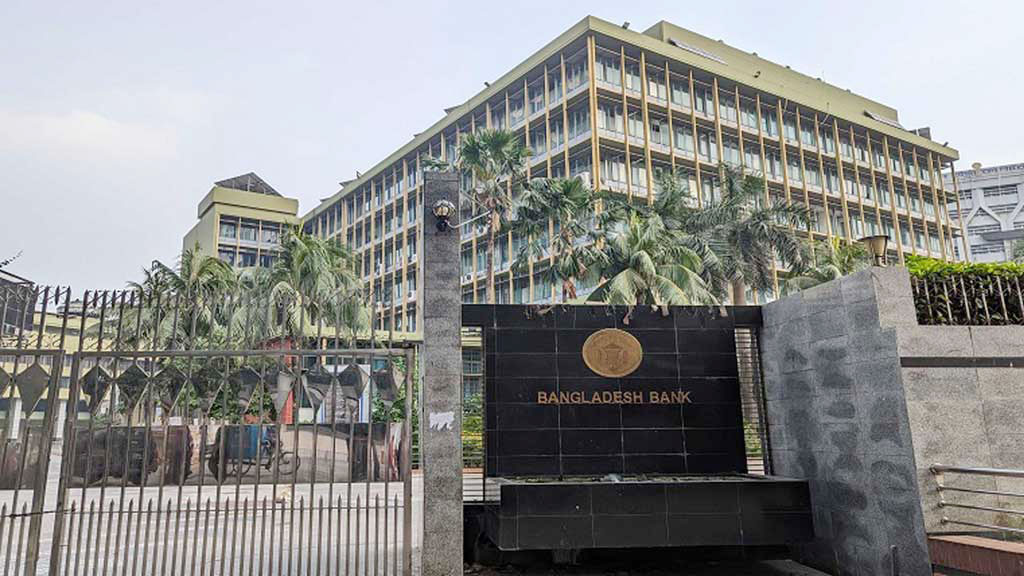
Defaulted loans in the country's banking sector have risen again. According to Bangladesh Bank's updated report, classified loans in the banking sector stood at Tk 627,404 crore at the end of September.
Three months earlier, at the end of June, the amount was Tk 606,555 crore. Classified loans have therefore increased by Tk 20,849 crore in three months.
According to the report, total disbursed loans in the banking sector stood at Tk 1,856,969 crore at the end of September, of which 33.80 percent are classified loans. The ratio was 32.78 percent at the end of June, meaning the classified loan ratio rose by 1.02 percentage points in three months.
At the end of September 2025, classified loans amounted to Tk 494,515 crore. The figure has therefore risen by Tk 132,889 crore in one year.
Earlier, defaulted loans stood at Tk 557,217 crore at the end of December, and rose by a further Tk 31,487 crore in the March quarter. Defaulted loans had fallen in the last quarter of last year but have since started rising again.
Those concerned say irregularities, fraud and corruption in the banking sector during the Awami League government's fifteen and a half years left a huge volume of loans uncertain of recovery. When the Awami League-led alliance government took office in January 2009, defaulted loans stood at Tk 22,481 crore. By June 2024, the month before the Awami League government fell, the figure had risen to Tk 211,391 crore.
They say the true financial picture of the banking sector began to emerge under the interim government that took over after the fall of the Awami League government, with many previously hidden loans identified as defaulted. The interim government offered loan rescheduling on special terms, which reduced defaulted loans somewhat. The central bank's latest data shows classified and defaulted loans are rising again under the current government.
Economists believe this high level of defaulted loans is obstructing the banking sector's financial capacity and its normal lending process. With a huge volume of loans unrecovered, pressure is building on banks' profits and capital, they say, and this is also disrupting new lending and the flow of investment into the economy.
Instead of repeatedly giving policy support to loan defaulters, the economists have stressed ensuring good governance, accountability and effective measures for loan recovery in the banking sector. They have also emphasised verifying banks' asset quality, strengthening weak banks and carrying out necessary structural reforms.