Afghan women who won UK university places left in limbo by visa suspension
Afghan women who had won places for postgraduate study at universities in the United Kingdom have been left in uncertainty by a visa suspension. After losing education and employment opportunities at home under Taliban government restrictions, they had hoped to build a new life through higher education.
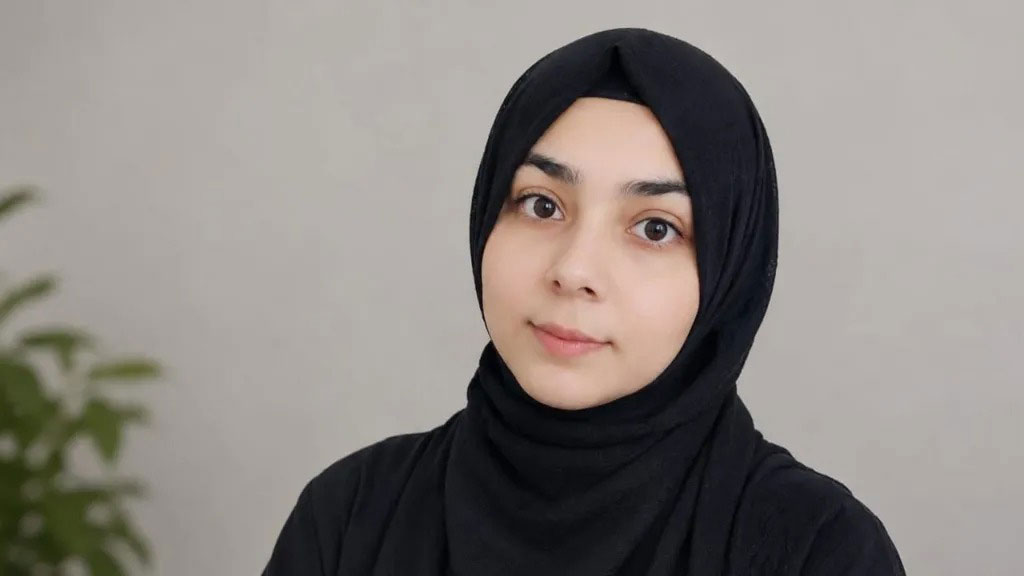
A BBC report on Tuesday (24 November) featured Shahira Sadat, a software engineer from Kabul. For three years she worked through many obstacles to apply to British universities and prepare for scholarships, continuing her studies despite power and internet crises.
Shahira eventually won offers to study artificial intelligence and machine learning at master’s level at Sussex, Bradford and Northeastern University London. She had also been invited to interview for the UK government’s Chevening scholarship.
But in March this year the UK Home Office urgently suspended student visas for citizens of Cameroon, Myanmar, Sudan and Afghanistan. Skilled worker visas for Afghan citizens were also suspended. The government cited a rise in asylum claims by people arriving through those visa routes as the reason for the decision.
After the suspension, Shahira was told that, as an Afghan citizen, she would no longer be considered for study in the UK. She said she cried for hours after hearing the news. For her, it was not only the loss of an education opportunity, but also the loss of a chance to restart her professional life and build a future.
Alia (a pseudonym), another woman from the western city of Herat, faces the same situation after winning a place to study digital media at master’s level. She said they are being deprived of everything simply for being Afghan women.
Preparing for higher education abroad is also difficult for Afghan women because of Taliban restrictions. Alia had to attend a secret school to prepare for her English language test. When the authorities closed it, she prepared online with help from a teacher in Canada. The report also said many authorised test centres would not allow women to sit exams, and power and internet crises hampered preparation.
The Home Office said a refugee resettlement programme including Afghan women and girls has been restarted, and that special sponsorship and education arrangements for refugees are being made. But the ministry did not clarify whether Afghan women who are not recognised asylum seekers will receive those opportunities.
According to the UK’s higher education statistics agency, of more than 680,000 international students in the country in the 2024-25 academic year, fewer than 400 were from Afghanistan. The government says that from 2021 to September 2025, the number of asylum applications by Afghan citizens equalled 95 percent of the student visas issued.
Zaynab Rezai, an Afghan student who came to the UK in 2024, is now doing a PhD in education at the University of Exeter. Fearing she may have to return home when her visa expires, she has applied for asylum.
Afghan women fear that if other countries follow the United States and the United Kingdom down the same path, they will gradually be cut off from international higher education opportunities.