Wife of Japanese Journalist Detained in Russia Pleads for His Release: 'We Are Trapped in Grief'
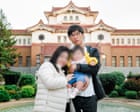
The wife of Japanese journalist Yuki Imai, detained in Russia for more than a month on suspicion of spying, has issued an emotive appeal for his release. In a statement released to media organisations through the Hokkaido Shimbun, Nozomi Imai said the family had been 'trapped in grief' since his detention.
Yuki Imai is a reporter for the Hokkaido Shimbun. He was arrested in mid-October as he was preparing to return to Japan from a two-year assignment at the newspaper's bureau in Yuzhno-Sakhalinsk, on the island of Sakhalin in Russia's far east.
Russian authorities alleged that Imai had been 'conducting espionage activities' on the island, collecting information about Russian defence capabilities that he intended to pass on to Japanese intelligence. Both the newspaper and Japan's prime minister, Sanae Takaichi, have denied the claims.
The detention has inflamed tensions between Tokyo and Moscow. Takaichi requested Imai's release during a meeting with the Russian leader Vladimir Putin at last week's Apec summit in China.
In the statement, published in Japanese, English and Russian, Nozomi Imai said: 'Since his detention, his parents and I have spent every day worrying about him.' Recalling the moment she saw TV footage of her husband being taken away by Russian authorities, she said: 'I could hardly breathe. It felt as if my heart were being ripped apart.'
She added: 'No one could remain calm after seeing a beloved family member with his arms bound behind his back. In the video, I could even see the souvenirs in his suitcase — the gifts he was bringing home for us. I could not sleep even for a moment that night. When morning came, it still did not feel real. I could not even cry.'
Imai, 34, has barely seen his infant daughter, who was born during his posting to Russia and is now 21 months old. Nozomi wrote that he had been looking forward to coming home and had said excitedly that he wanted to be the one to pick her up from daycare on the very day he got home.
Japanese diplomats have been permitted to visit Imai only twice since he was detained, although he has had several meetings with lawyers appointed by his employer. Japan's ambassador to Moscow, Akira Muto, met the journalist at Lefortovo detention centre in Moscow this week and said he appeared to be in good health. Japanese embassy officials were also granted access to Imai at the end of October.
The Hokkaido Shimbun said Imai had been engaged in 'ordinary news gathering' on Sakhalin, adding that the newspaper does 'not conduct reporting or gather information based on government directions'. Shortly after his arrest, Takaichi denied Imai had been spying, telling reporters, 'There is no such fact,' and adding that the protection of Japanese nationals is extremely important and that efforts would focus on that.
Russia's Federal Security Service, which is investigating Imai, has not commented publicly since it announced the reporter's arrest. His detention is scheduled to expire on 12 December but could be extended, the Kyodo news agency said.
The Hokkaido Shimbun said Imai, whose grandfather was born on Sakhalin, was an admirer of Russian culture who had used his position to promote grassroots exchanges, and had even hosted Russian visitors at his home in the Hokkaido city of Nemuro.
Nozomi Imai, who said she and her husband met as students through their shared love of Russian films and novels, said his detention was taking a toll on his ageing parents. 'They worry whether they will ever see their beloved only son again in their lifetime,' she wrote. 'Yuki Imai is not only a journalist. He is a beloved son, husband, and father. Please — please return this precious papa to his little daughter.'
The arrest comes amid rapidly deteriorating ties between Japan and Russia, triggered by Tokyo's support for Ukraine and a longstanding dispute over islands in the Kuril chain near Sakhalin, known in Japan as the Northern Territories. Japan claims the four islands closest to its territory, which Russia has administered since the dying days of the second world war. Concerns are growing that Moscow will seek to make an example of Imai in protest at Japan's support for sanctions imposed after Russia's full-scale invasion of Ukraine in 2022.