Call for national consensus and a special parliament session on the Rohingya crisis at AB Party discussion
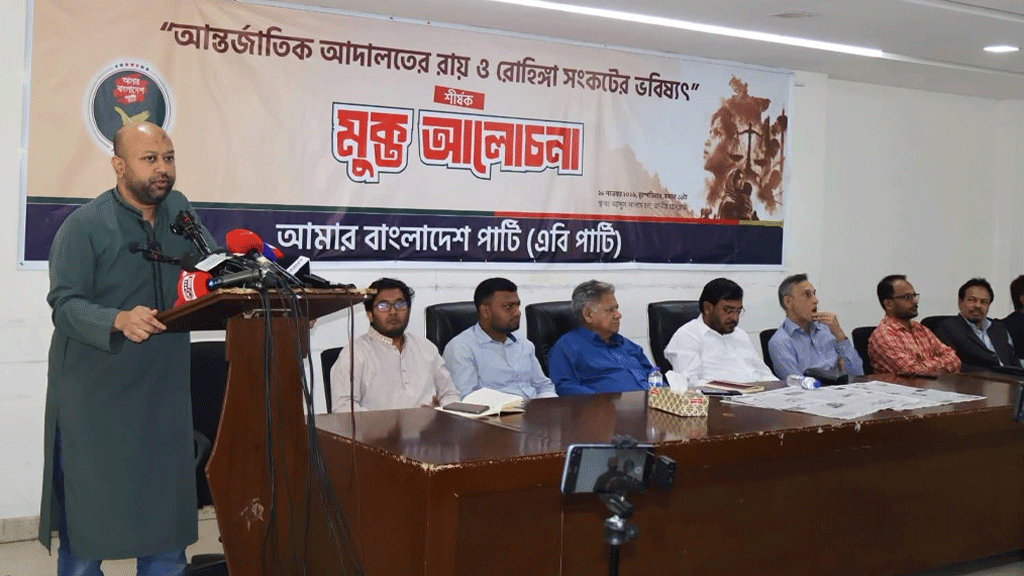
Speakers have demanded a special session of the National Parliament to build national consensus on resolving the Rohingya crisis and to make use of the International Court of Justice verdict. They said the Rohingya crisis is now one of Bangladesh's top national priorities. It is not merely a humanitarian or refugee problem; the country's sovereignty, security and regional geopolitics are tied to it.
The speakers made the remarks on Thursday at an open discussion titled 'The International Court Verdict and the Future of the Rohingya Crisis', organised by the Amar Bangladesh Party (AB Party) at the National Press Club.
Presiding over the meeting, AB Party chairman Mojibur Rahman Monju said national unity is essential to face the state's lasting crises. The Rohingya crisis has put the public life, environment and security of Cox's Bazar at grave risk. The historic verdict of the International Court of Justice on 19 November on the Rohingya genocide is extremely important for Bangladesh, and the moral and international impact of the verdict must be used in the country's interest, he said.
Mojibur Rahman Monju said the livelihood and security of the huge number of displaced Rohingya over a long period, along with the spread of drugs and crime, are creating new risks for the country. Teknaf in particular has become one of the main drug-smuggling routes. To face the situation, the home ministry and all concerned parties must take effective steps, and political parties, civil society, the media and the international community must rise above partisan narrowness and take united initiatives in the national interest, he said.
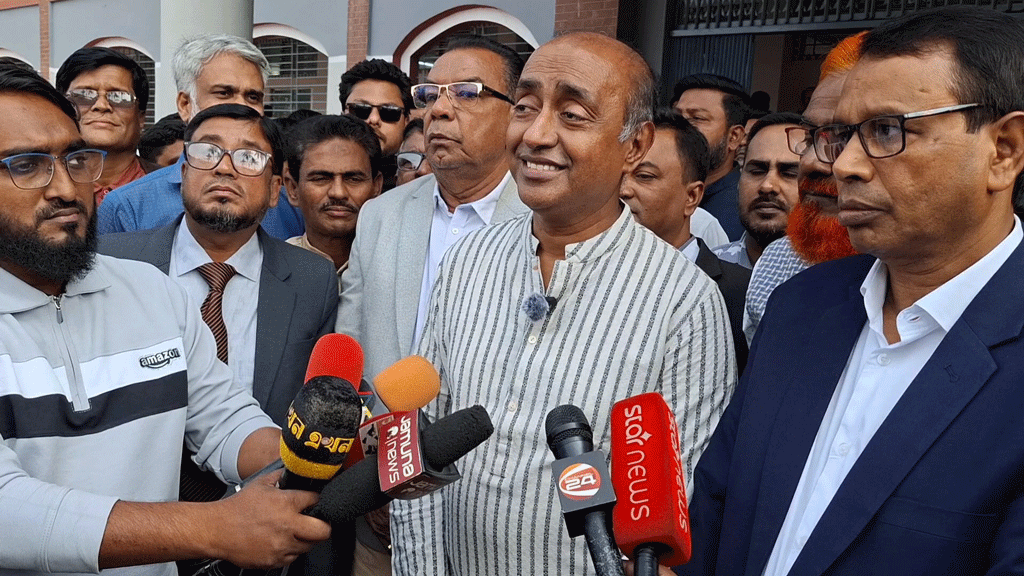
Former adviser to the interim government Brigadier General (retd) Sakhawat Hossain said the International Court verdict is an important step forward in establishing Myanmar's responsibility for the Rohingya genocide. However, sheltering a huge number of citizens of another country for a long time is a major security and diplomatic challenge for Bangladesh.
Sakhawat Hossain said several parties, including the Arakan Army, are involved in the Rohingya crisis, so discussion and communication with all concerned parties must be increased. The government must immediately take an initiative for an all-party dialogue to resolve the crisis, he said, adding that it is not any single party's issue but a matter of Bangladesh's national priority.
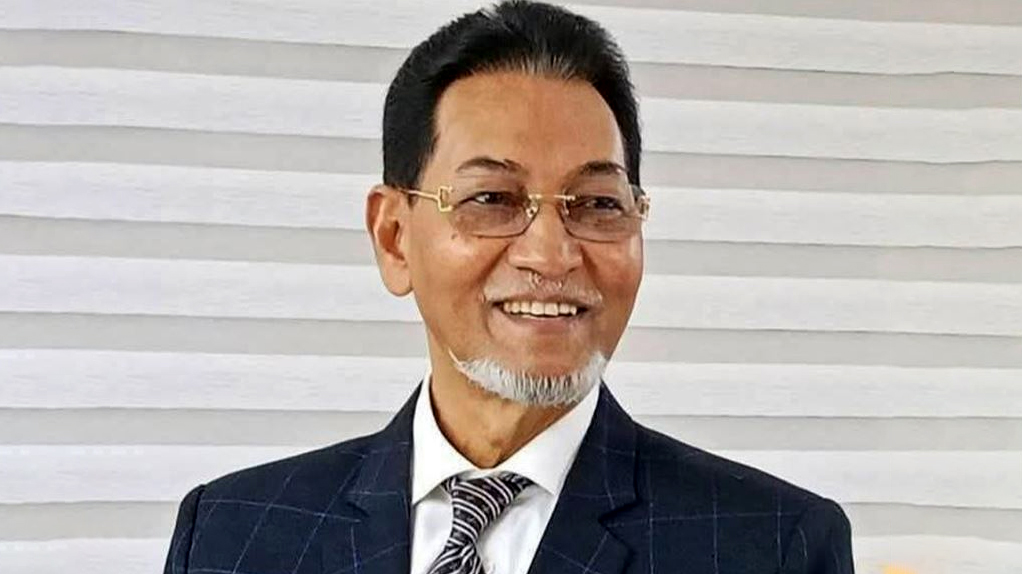
Former state minister for foreign affairs Abul Hasan Chowdhury said a special session of the National Parliament should be called to make use of the International Court verdict. At the same time, the United Nations must be urged to play a more effective role. Understanding among Myanmar, China and Bangladesh is important, and the OIC, ASEAN and influential countries of the Muslim world should also come forward to resolve the crisis, he said.
AB Party general secretary Barrister Asaduzzaman Fuad said the Rohingya crisis cannot be viewed only as a refugee problem. Bangladesh's sovereignty, security and regional geopolitics are deeply involved with it. Because of statelessness, the existence and lives of the Rohingya have fallen into extreme threat. Living for a long time in camp conditions resembling detention camps, they are passing through severe mental trauma, and camp-centred criminal activities are also rising, he said.
Former ambassador and diplomat Sakib Ali said Bangladesh must take effective diplomatic initiatives so that China and Russia do not directly take Myanmar's side. To strengthen its position in the international arena, increasing the country's economic and strategic capacity is essential, he said.