Dhaka Seminar Calls for More Government Investment in Education of Hearing-Impaired Children
Development workers say a wide gap remains in Bangladesh between policy commitments and reality when it comes to education and support services for hearing-impaired children. They urged urgent steps to close that gap.
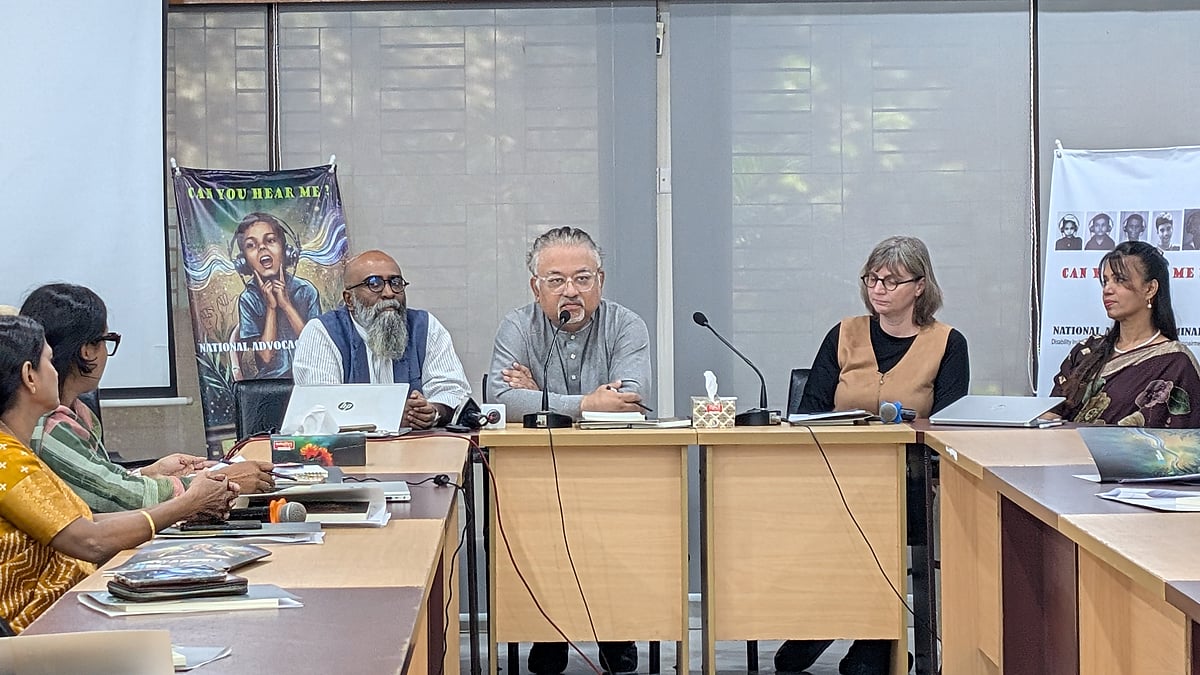
A national policy-support seminar on disability inclusion and the rights of hearing-impaired children was held on Thursday at the YWCA conference hall in Mohammadpur, Dhaka. The seminar was organised by World Concern Bangladesh, with InterAct as a partner.
The main aim of the seminar was to identify the challenges facing hearing-impaired children and to find practical ways for persons with disabilities to access education and the services they need. Around 40 development partners and stakeholders from different sectors took part.
Social development specialist Tony Michael Gomes presented the keynote paper, titled 'Can You Hear Me?'. He laid out the current situation of hearing-impaired children in the country. His presentation highlighted the long-standing gap between the national disability policy and its implementation.
Tony Michael Gomes said an estimated 65,000 to more than 100,000 children aged zero to 17 in the country are hearing-impaired. Yet the specialised education infrastructure for them is extremely limited. There are only eight government-run specialised schools for persons with disabilities, and 12 schools run by non-government organisations.
He added that without timely support and a suitable learning environment, these children will be at risk. They could be left out of education and wider social activities.
The chief discussant at the seminar was Abdun Noor Tushar. He called on the government to invest more in inclusive education. In his view, the gap between the needs of hearing-impaired children and government services is a matter of serious concern that needs the government's immediate attention. He said these children have the right to equal opportunity.
The seminar was chaired by Sylvester Michael Madhu, country director of World Concern. He stressed the importance of stronger partnership among the government, the private sector and development agencies. He said the organisation has more than two decades of experience in this sector and runs specialised schools in Barisal and Savar.
A hearing-impaired graduate student and a parent shared their own experiences at the seminar. Participants heard directly from them about the barriers persons with disabilities face in education and daily life.
The seminar ended with a call for government institutions, donor agencies, development organisations and the private sector to work together so that deaf and hearing-impaired children in the country can learn, communicate and develop their potential.