Two-thirds of women of reproductive age in Gujarat are anaemic, child rate highest in India: ICMR survey
In India's Gujarat state, 66.2 percent of women of reproductive age, between 15 and 49, are suffering from anaemia. The figure comes from a recent national survey by the Indian Council of Medical Research (ICMR).
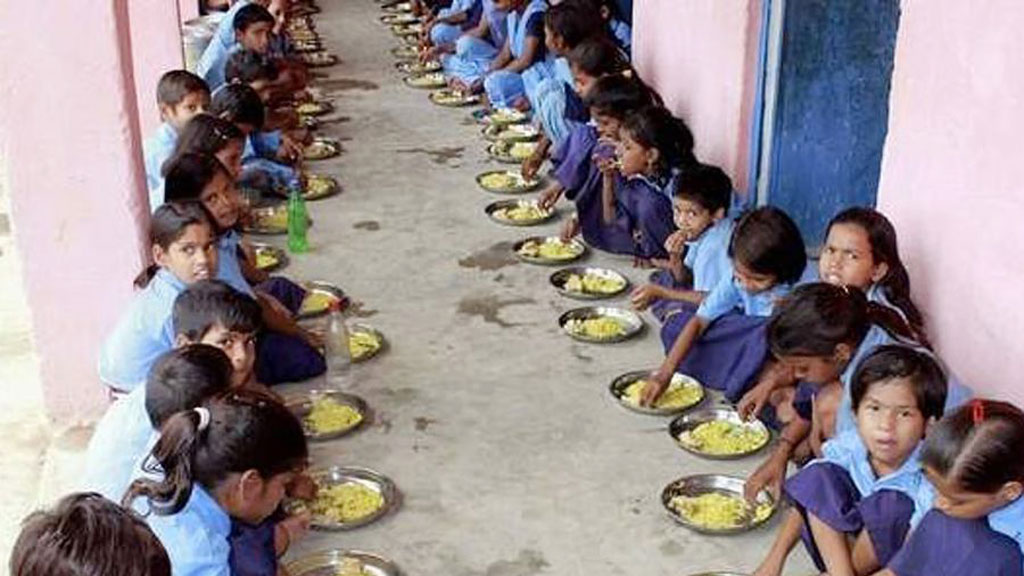
The same survey found that 56.5 percent of children aged 12 to 59 months in Gujarat are anaemic, the highest rate among all Indian states.
Among adult women aged 20 to 59 in Gujarat, the rate was 63.8 percent, according to the survey.
The National Institute of Nutrition, under the ICMR, conducted the survey between 2023 and 2025. The survey, titled SAMPADA, covered 35 states and union territories of India.
More than 200,000 people were included in the survey, and blood samples from more than 170,000 people were analysed.
After the figures emerged, senior Congress leader Jairam Ramesh, from the main opposition party, sharply criticised the central government. Sharing the report published by the Union Ministry of Health and Family Welfare on the social media platform X, he questioned the campaign that presents Gujarat as a 'model state'.
Jairam Ramesh wrote that, for anaemia among women and adolescent girls, only Chhattisgarh is in a worse position than Gujarat.
Drawing a comparison with Kerala, he noted that anaemia rates in Kerala are 21.4 percent among adolescent girls, 28 percent among adult women and 29.1 percent among women of reproductive age — far lower than in Gujarat.
The same gap appeared among children. While the anaemia rate among children aged 12 to 59 months in Gujarat is the country's highest at 56.5 percent, in Kerala it is the lowest, at 14.5 percent.
Amid criticism of Gujarat, the home state of Prime Minister Narendra Modi, Jairam Ramesh also raised a question hinting at the resignation of the Union health minister.
When the report was published, the Union health ministry said most of the anaemia cases identified in the survey were 'mild'. The ministry claimed that, across the country and in almost every age group, the rate of 'severe' anaemia remains below 2 percent.
Alongside the anaemia data, figures given by the Gujarat state government in March this year had also shown a picture of child malnutrition. Replying to questions from Congress legislators in the Assembly, the state's Women and Child Development Minister Manisha Vakil had said that, up to January 2026, 205,000 children had been identified as malnourished in 20 of the state's 34 districts.
According to government data, about 169,000 of those children were classed as 'underweight' and 36,805 as 'severely underweight'. Most of the malnourished children live in the state's tribal and rural districts. Panchmahal district had the highest number, 20,762, followed by Banaskantha with 19,391 and Kheda with 18,590.