A mother travels from Colombia to Moscow to rescue her son sent to fight for Russia
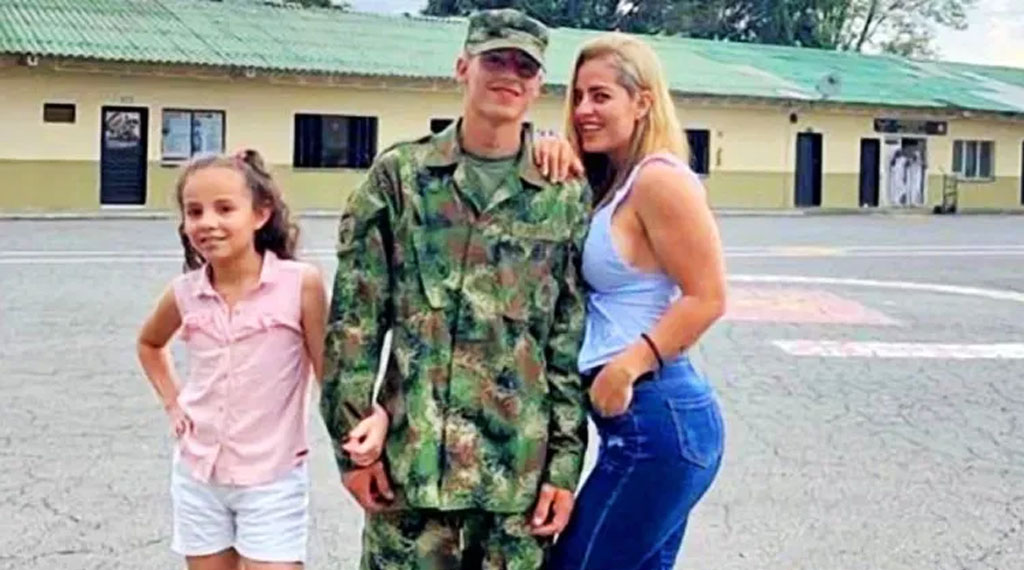
Young men from several Latin American countries are being lured to Russia with promises of well-paid civilian jobs and then sent to fight in Ukraine, according to allegations detailed in a report. Recruited through job adverts on social media, they are taken to Russia and made to sign military contracts written in Russian before being sent to the battlefield. The mother of one young man caught in this way has travelled from Colombia to Moscow to try to rescue her son. The details were published on Thursday (26 November) by the British newspaper The Times.
According to the report, a 22-year-old Colombian named John applied after seeing a job advert on TikTok. He believed he would work as a barber in Spain and was promised a salary of six million Colombian pesos a month, about £1,400. In the end, he was forced to join the Russian army.
John left Colombia on 14 May. The recruiters arranged his entire journey from Bogotá via Istanbul to Moscow. A day after arriving in Moscow he was asked to sign a contract. He thought it was a contract for the barber job; in fact it was a contract to join the Russian army.
A few weeks later, on his first mission at the front, John was wounded in a drone attack. His lung was injured and shrapnel lodged in his hand. When attempts were made to send him back to the battlefield despite his wounds, his mother, Zenaida Muñoz, decided to travel to Moscow to rescue him.
In Moscow, Muñoz faced a difficult situation. On some nights she washed dishes to pay for her hotel room. After much effort she made contact with military officials. Reading a Spanish translation of her son’s contract, she argued that foreign soldiers have the right to leave the service. After long negotiations, John applied for discharge from the army on 11 November. He is now awaiting surgery on his hand; if the discharge is approved, he will be able to return home with his mother.
John’s case is not isolated. A United Nations report in October documented the recruitment of citizens of seven Latin American countries into the Russian army through deception and coercion, and accused the Russian authorities of human trafficking in connection with the practice.
Government figures from Latin American countries also show alarming numbers of dead and missing. According to Peru’s foreign minister, 459 Peruvian citizens have joined the Russian forces; 25 of them have been killed and 187 are missing. Colombia’s foreign ministry says 94 of its citizens in Russia have been killed and 297 are missing. Bolivia has also reported 26 such cases.
Recruiters offer the young men civilian work as cooks, electricians, construction workers, security guards or staff at military bases, the report said. In some places, signing bonuses of up to $20,000 and attractive monthly salaries are promised.
But after arriving in Russia, the men are allegedly given Russian SIM cards, forced to open bank accounts and made to sign contracts written in Russian. Many cannot understand the real terms because they do not know the language. Some contracts even give the recruiters control over their bank accounts and pay.
The report also named a Colombian recruiting firm, Jaguar Consultoría. An investigation by the Colombian outlet Noticias Caracol found no legal registration, permanent address or identifiable real owner for the firm.
Meanwhile, families are banding together on social media to search for missing relatives. Some have travelled to Russia themselves to search hospitals, military offices and morgues; others, unable to afford the trip, search through intermediaries. The governments of Peru and Colombia have also asked Russia for information about their missing citizens and called for an end to the recruitment of their nationals for a foreign war.
Zenaida Muñoz hopes to bring her son home alive. Not every family has been so fortunate—many are still waiting for a phone call from a missing relative, a name on a list, or at least the recovery of a body.