First Season After GI Recognition: Manikganj's Hazari Gur Makers in Harirampur Busy Preparing Date Palm Trees
Only about two more weeks to wait. Then the season for making Manikganj's Hazari gur, a molasses with a tradition of nearly 300 years, will begin. Preparing date palm trees, readying sap-collection equipment, building clay stoves and gathering fuel — the palm tappers of Hazaripalli in Harirampur and their family members are busy with all of it. As Hazari gur received Geographical Indication (GI) recognition this year, this season carries a new dimension of expectation for them.
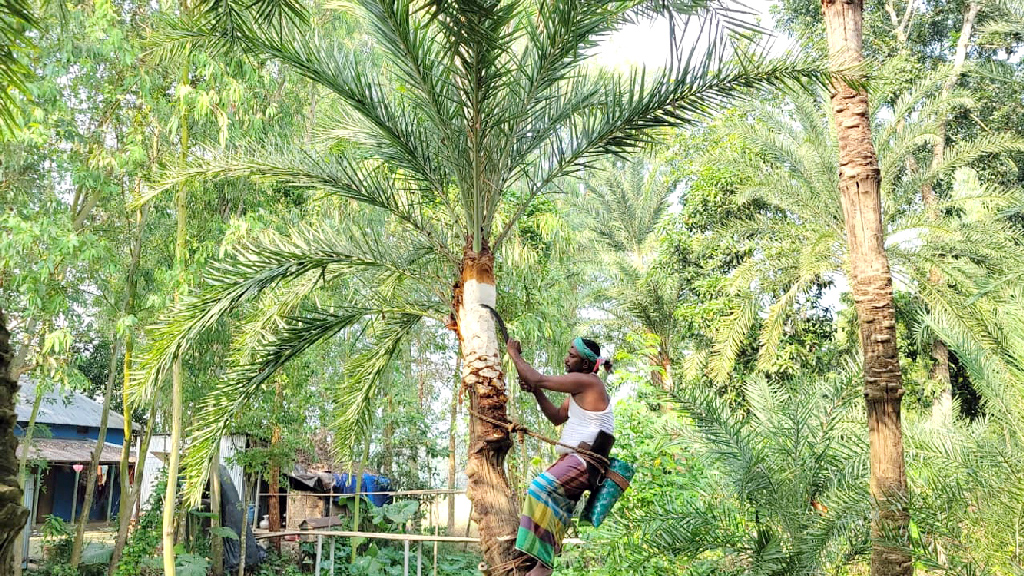
On the ground on Saturday, preparations for the date palms were seen under way at Shikdarpara in the Jhitka area of Balla Union, known as Hazaripalli, and in nearby villages. With ropes tied around their waists, tappers were climbing trees to clear branches, trim the crowns and fit tapping spouts. After several rounds of care, clay pots will be tied to the trees, in which the date sap will collect. Boiling that sap will first produce red molasses, and then the distinctive Hazari gur. Family members, meanwhile, are building clay stoves and gathering paddy straw and other fuel and materials needed for making the gur.
According to local elders, about 300 years ago a man named Mohammad Hazari began making this gur by a special method, and the product took its name from him. Local tappers and artisans have followed that method through the generations. Compared with ordinary date molasses, Hazari gur is distinguished by its white colour, smooth texture, soft fluffiness and distinctive taste. The traditional product has become known beyond the country as well.
In recognition of its long tradition and distinctive character, the Department of Patents, Industrial Designs and Trademarks under the Ministry of Industries registered 'Manikganj's Hazari gur' as a GI product on 15 June this year. This has raised fresh hope among local producers.
Khondaker Mizanur Rahman, a tapper from Jhitka Shikdarpara village, said the crowns of the date palms are now being cleaned. The trees have to be scraped and tended step by step. Red molasses will be possible in 15 to 20 days, after which the work of making the sought-after Hazari gur will begin in stages.
'Hazari gur was already a well-known brand. This year we are even prouder because it has received GI recognition. We will try our utmost to uphold the honour of this recognition and keep the quality of the gur intact,' he said.
Khondaker Ohab Uddin, a tapper from the same village, said both his grandfather and his father made Hazari gur, and he learned the work from his father. He has been in the profession for about 20 years. Tree preparation is now under way; pots will be set on the trees in another 15 to 20 days. First, red molasses will be made from the sap, and then, in stages, the white, smooth and fluffy Hazari gur. He believes the gur's distinctiveness must be protected if this hereditary profession is to survive.
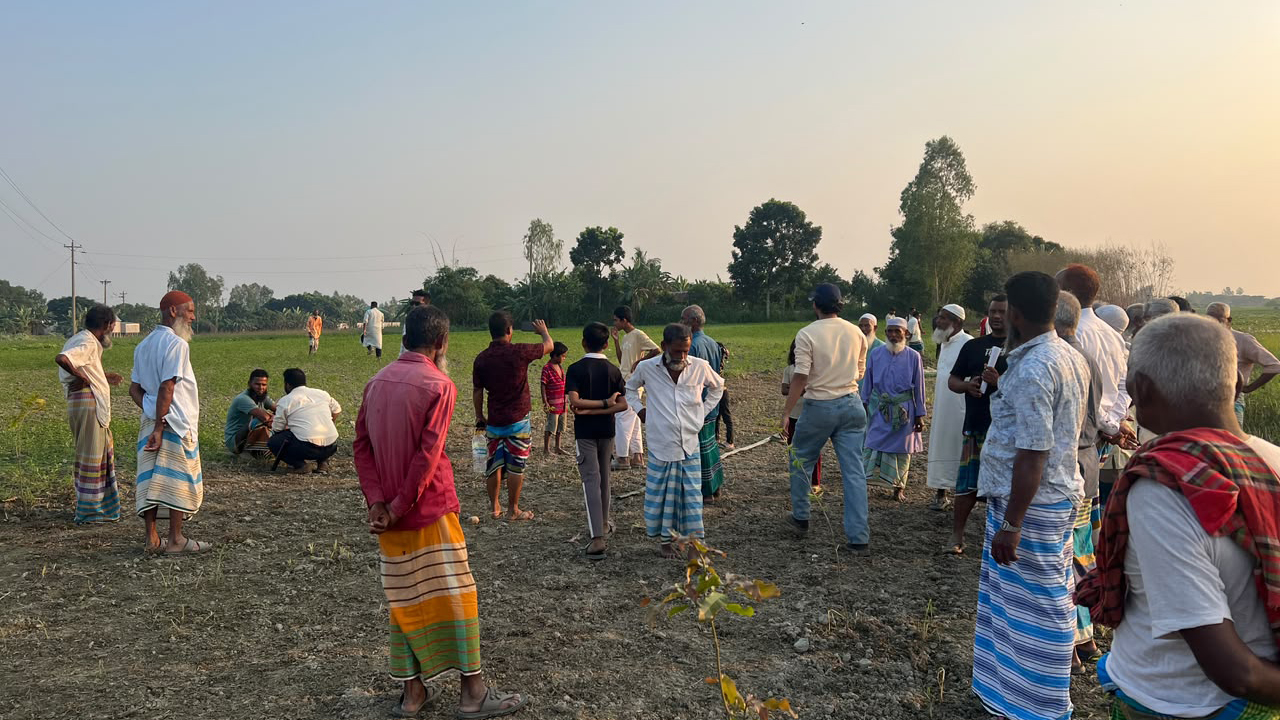
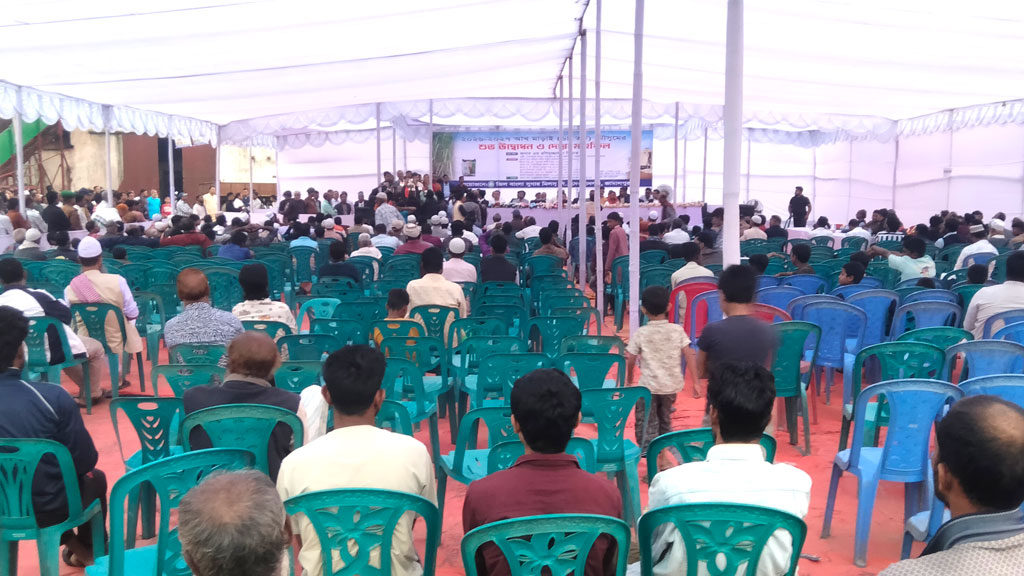
Harirampur Upazila Agriculture Officer Md Touhiduzzaman Khan said that according to local tradition, Hazari gur carries a heritage of about 300 years, and the GI recognition has increased its importance further. The upazila has an estimated 8,500 date palm trees, of which sap can be collected from about 4,500. The agriculture department is assisting the tappers with production preparations, and several rounds of consultation have been held with tappers and tree owners at the initiative of the district and upazila administrations. If the weather stays favourable, they expect production to rise this year.
Manikganj Deputy Commissioner Nazmun Ara Sultana said that after the GI recognition, protecting Hazari gur's tradition and quality is everyone's responsibility. No sugar or any other ingredient may be mixed into the gur; it must be made following the prescribed traditional method.
She said a list of people involved in production has been collected and necessary instructions have been given to the tappers. Production activities will be inspected regularly to check the gur's quality, and strict action will be taken against anyone found guilty of adulteration or irregularities.
After nearly three centuries of tradition, Hazari gur has now received state recognition. Local tappers hope that if the correct production method and quality are maintained, this recognition will raise the product's profile and give the traditional profession a new lease of life.