US Regulators Eye Kratom as Overdose Deaths Mount, With Focus on 7-OH Products
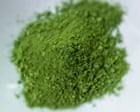
The US government is paying more attention to kratom after the apparent overdose deaths of young people, but advocates say the synthetic products hurting people are not the same as natural kratom leaf.
Kratom is a mild opioid derived from the leaves of Mitragyna speciosa, a tropical evergreen tree native to south-east Asia. It is sold as powders, teas, capsules, tablets, extracts, gummies and raw or crushed leaves, and is promoted as a wellness product in corner stores and gas stations.
The US telehealth provider QuickMD released a study three weeks ago showing the substances now account for more than half of its new addiction treatment patients. Its chief executive, Ryan Lissack, said that in September 55% of new patients sought help for kratom or 7-OH dependence, up from 10% in 2024 to 50%.
The US Drug Enforcement Agency recently issued two notices recommending that 7-OH, or 7-hydroxymitragynine, one of the major psychoactive ingredients in kratom, should be placed under federal controls, while legislation has been introduced for stronger controls.
The notices came less than a month after Ole Miss students Aidan Hamilton, 18, and Robert Strang, 20, were found dead in separate incidents, with packages of concentrated kratom-related products at both scenes. Federal prosecutors said the two died of conditions consistent with overdoses, though toxicology results are still pending.
Patrick Trainor, director of the narcotics investigation and drug control unit at the Pennsylvania attorney general's office, said any opioid, synthetic or semi-synthetic, has the potential to be addictive, and that an opioid sold as a wellness drug is a concern.
A 2023 Tampa Bay Times investigation found that more than 580 people in Florida died from kratom-related overdoses over the past decade. Most deaths involved kratom mixed with at least one other substance, but 46 people overdosed solely on the herb, the paper reported.
The National Poison Data System found that between 2015 and 2025 kratom exposure reports surged 1,200%. The Centers for Disease Control and Prevention estimates about 5 million lifetime users, while the American Kratom Association puts the number at 11 million to 16 million, with retail sales estimated at $2.2bn in 2024.
The US Food and Drug Administration said it has observed a proliferation of products containing 7-OH and has serious concerns, calling it an emerging public health threat. Last December the agency said the US Marshals Service seized 73,000 units of 7-OH products, valued at roughly $1m, from three firms in Missouri.
US Attorney General Todd Blanche said in August that these are potent opioids manufactured and sold in consumer products, often under labels that obscure their true risks.
The American Kratom Association called for a critical distinction between natural leaf kratom and chemically enhanced opioid products. Its senior fellow on public policy, Mac Haddow, said the distinction is essential to protecting consumers without imposing an unjustified ban on lawful botanical products.
Los Angeles county officials have linked six fatal overdoses to 7-OH, and the San Francisco department of public health reported the city's first known adult fatal overdose involving a semisynthetic kratom-derived opioid in September. California's health department warned that 7-OH and kratom-derived products are illegal to manufacture or sell for consumption in the state. Eleven states have made them illegal, while Massachusetts and North Dakota have issued temporary bans.