Japan's chronically absent school students hit a record 359,424, with bullying cases also at an all-time high
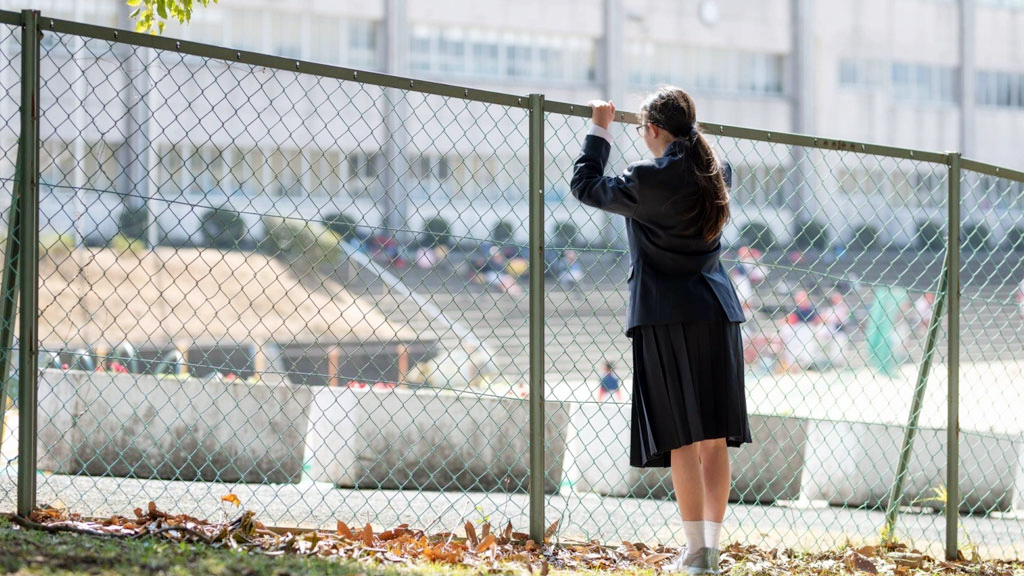
The number of primary and lower-secondary students in Japan who are chronically absent from school has surpassed all previous records. In the 2025 fiscal year, 359,424 students in the country did not attend school regularly. Over the same period, cases of bullying at school also reached a record high.
The figures come from the Japanese education ministry's annual report on various problems affecting students. The 2025 fiscal year refers to the period up to March 2026.
The report counted students who were absent from school for at least 30 days in the school year for reasons other than specific causes such as illness or financial problems. More than half of the absent students did not attend school for at least 90 days. Among them, more than 10,000 students did not attend school on a single day of the school year.
Students at schools for children with special needs were also included in the count. The number of absent students rose by 1.1 percent compared with the previous fiscal year. The number of students not attending school in the country has now risen for 13 consecutive years.
However, the rate of increase has fallen significantly compared with the coronavirus pandemic years. At one stage of the pandemic, the number of such students had risen by as much as about 25 percent. Since that period, the number of students absent from school in Japan has risen roughly threefold over the past decade. Over the same period, meanwhile, the total number of children in the country has been falling.
The report found that about 34 percent of absent students had received no counselling or support from specialists inside or outside school. However, most of them had received regular support from their class teachers.
According to the education ministry, the higher a student's grade — that is, the older the student — the greater the tendency to be chronically absent from school. Among every 1,000 lower-secondary students, about 69 were chronically absent. That rate is about three times the rate among primary school students.
In the ministry's survey, absent students were asked about their reasons. About 30 percent of primary and lower-secondary students cited a lack of interest in or motivation for going to school as the reason for their absence. More than a quarter of students said they had problems with their daily routine. About 24 percent of students cited anxiety and depression-related problems.
At the upper-secondary level, meanwhile, the number of students absent from school has remained roughly the same since the 2023 fiscal year. In the 2025 fiscal year, the number of absent upper-secondary students was 67,844, an increase of fewer than 100 compared with the previous year.
The education ministry's report also reviewed bullying cases at primary, lower-secondary and upper-secondary schools. In the 2025 fiscal year, the number of recorded bullying cases in the country was 791,784. Cases at schools for children with special needs were also included. The figure is the highest ever recorded.
Excluding the 2020 fiscal year, bullying cases in Japan have been rising for more than a decade. This year, for the first time, the ministry also included in the survey the number of incidents involving sexual harassment and sexual behaviour. These included incidents such as recording or sending sexually suggestive videos or images of someone without their consent. A total of 8,158 such incidents were recorded.
Bullying cases are most common among primary school students. About 80 percent of all recorded cases involved students at this level. However, the higher the grade — that is, the older the student — the fewer the bullying cases. Most cases involved behaviour such as threatening, mocking, ridiculing and verbal abuse. However, bullying using digital devices such as mobile phones and computers is rising significantly.
Not only ordinary bullying but also serious bullying has reached a record high. Cases in which students suffered serious physical or mental harm, or were forced to be absent from school for a long time, were considered serious bullying. In addition, school violence among students of all grades has also risen to its highest level. Since 2021, both serious bullying and school violence have been rising continuously.